
Despite legalizing cannabis, black-market growers are overwhelming California communities
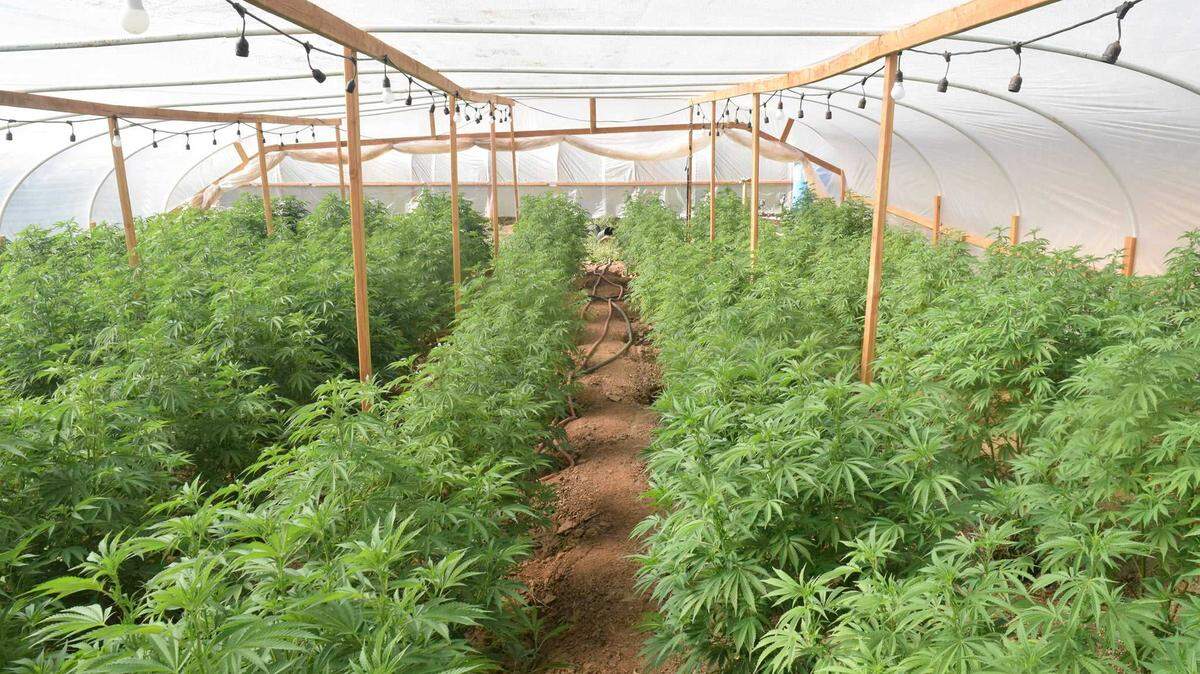
Lake County has some of the largest acreages in permitted cannabis grows in California. Yet, despite a legal market, illegal grows are unfairly undermining the profitability of lawful cultivators.
This illegal market that voters sought to eradicate with cannabis legalization is quickly eroding the permitted industry and threatening public safety. Amounting to an estimated 80% of all cannabis sales in California, the market is saturated with low-cost illicit product. Cannabis cultivators are unable to compete. As the underground economy thrives, so does criminal activity and environmental harm.
Rural counties with land and industry prime for cannabis cultivation are at the front lines of this battle, including those in the Sacramento region. During a time of limited staffing and competing priorities, local governments require increased state funding for enforcement.
The path for the legal industry is already challenging. Growers face a long permit process, including extensive state-mandated environmental review and higher taxes intended to help monitor and ensure public health and safety. Distribution is also affected by the struggles of the state’s licensed retail outlets, which must compete with illegal retailers that similarly flourish due to limited enforcement resources.
Unencumbered by these obstacles, illicit growers and suppliers can sell product at half the cost and distribute them nationally.
The negative impact to residents and the environment from this activity is significant. A 2020 raid on illegal cannabis grows in Lake County resulted in the seizure of over 51,000 plants and the discovery of 40 state Fish and Wildlife violations. This included storage of chemical pollutants near waterways and usage of underage labor.
Stories like these are echoed across the state, with illegal grows linked to violent crime, environmental damage and wildfire.
Since cannabis legalization, the underground economy has become more brazen. Able to blend in among lawful cultivators, the identification of unpermitted grows becomes substantially more complicated and time-consuming.
The raid in our county was the result of an extensive investigation and involved personnel from six agencies. The resources for this raid are rare and reserved for the most egregious cases of illegal cultivation.
As a result, the bulk of compliance monitoring falls to local code enforcement officers. More often than not, law enforcement personnel are stretched thin and higher public safety priorities often take precedent.
In Lake County, we have aimed to bolster enforcement efforts.
The Board of Supervisors increased the size of code enforcement fines and passed ordinances restricting the use of the county’s limited water resources to support illegal cannabis cultivation. Like other jurisdictions that have permitted cannabis operations, Lake County established a local cannabis tax with a portion dedicated to law enforcement support. Still, the scale of the underground market is complex and organized. Sufficient enforcement requires greater resources and assistance beyond county coffers.
The state’s increasing revenue from cannabis excise, cultivation and sales taxes neared $1 billion by the third quarter of 2021. Local governments with permitted commercial cannabis are currently eligible to receive a small fraction of these funds in the form of public safety grants, but increased state funding is necessary to adequately meet the need.
Funding should also be provided to all jurisdictions regardless of whether they permit commercial cannabis since the impacts of the illegal market occur throughout the state. Illicit cannabis anywhere in California impacts legal cannabis everywhere.
Much has been invested by the state, local governments and especially cannabis business owners to establish a legal cannabis industry. To maintain and support the industry, keep our communities safe and fulfill the vision of Proposition 64 cannabis legalization, more investment in illegal cannabis enforcement is necessary.
This story was originally published January 5, 2022 at 6:00 AM.