
Gavin Newsom’s veto of California safe injection sites sacrifices lives to politics
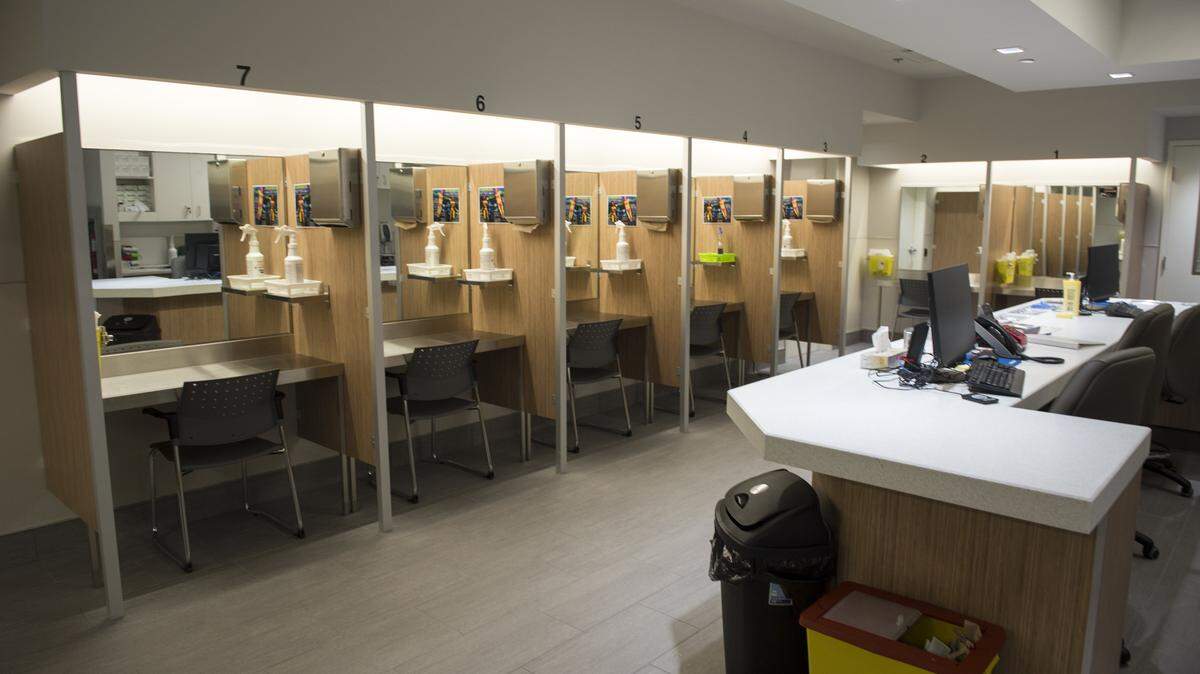
More than 104,000 Americans died from preventable overdose deaths in the last year, according to the latest available data from the Centers for Disease Control and Prevention, 10% of them Californians. Yet Gov. Gavin Newsom recently chose to veto a bill that could have prevented the loss of more lives to the overdose crisis.
The legislation would have allowed San Francisco, Los Angeles and Oakland to open and operate overdose prevention sites, legally sanctioned spaces where people can consume self-supplied drugs under the supervision of staff trained to respond in the event of an overdose. The sites are a part of a harm reduction strategy that seeks to meet people who use drugs where they are rather than try to criminalize and punish our way out of a public health crisis.
Newsom expressed concern in his veto message about the “unintended consequences” of overdose prevention sites, choosing to ignore all the evidence showing that these sites save lives and encourage more people to seek treatment.
While he and other policymakers impede progress across the United States, nearly 200 of these sites are in operation worldwide. Canada alone has more than 40 locations where its residents can safely use drugs. Since 2003, Vancouver’s Insite has hosted more than 3.6 million visits and reversed 6,440 overdoses without a recorded death.
While opponents argue that overdose prevention sites perpetuate drug use, the opposite is true. These sites connect users to community-based treatment and are associated with an increase in those seeking treatment. And they don’t lead to more crime in surrounding areas.
Recent developments demonstrate that overdose prevention sites can have the same effect in the United States. The first sanctioned sites in America, which opened in New York last year, had collectively reversed nearly 400 overdoses without a death as of last month. Research conducted in the first two months of their operation indicated that the sites were helping both individuals and communities. Seventy-five percent of those using the sites said that they would have used drugs in a public or semi-public place if the facility were not available, and more than half their visitors received other harm reduction services, such as overdose medication, medical care and counseling.
Beyond saving lives, safe consumption sites save taxpayer dollars otherwise spent on ambulance and other emergency services to respond to overdoses. A cost-benefit analysis in Baltimore estimated that an overdose prevention site would save the city more than $7.8 million annually.
Because these sites offer clean needles and a sterile environment, they can also replicate the benefits of safe syringe exchange programs, reducing HIV and Hepatitis C infections, according to the CDC.
Despite politicians’ attempts to scare the public about overdose prevention sites — including the Biden administration’s unfortunate unwillingness, at least thus far, to abandon the legal battle the prior administration waged against a site in Philadelphia — Americans support harm reduction measures that prevent overdoses. Polling from earlier this year showed that overdose prevention sites have bipartisan support among likely voters, with 64% in favor and 31% opposed. The same poll found that bipartisan majorities support medication-assisted treatment, access to naloxone to reverse overdoses and decriminalization of small amounts of drugs.
If Newsom truly “supported the cutting edge of harm reduction strategies,” as he claimed in his veto message, he would have never prevented overdose prevention sites from opening in his state. As addiction specialist Dr. David Kan said, “The only requirement for recovery is to be alive.” Who knows how many Californians and Americans won’t have that chance because Newsom and countless other policymakers have chosen politics over people’s lives.