
The right way to investigate whether Biden and Trump mishandled classified documents | Opinion
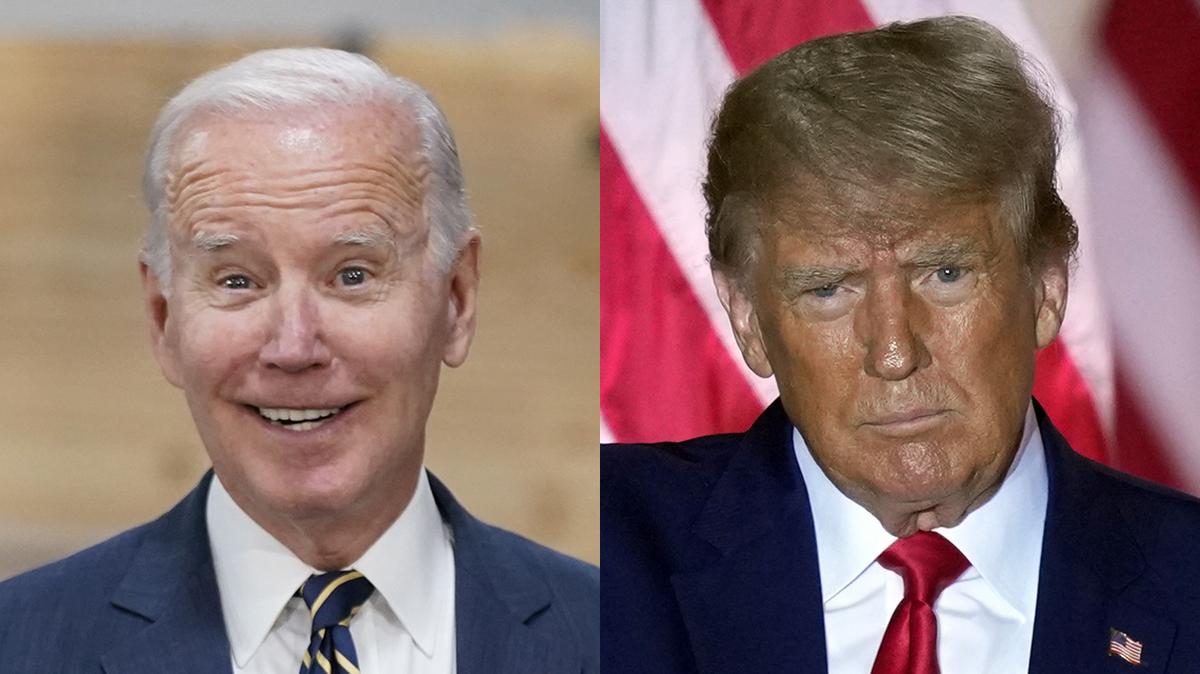
Attorney General Merrick Garland was exactly right to appoint a special prosecutor to investigate whether President Joe Biden mishandled classified information during and after his tenure as vice president. Any allegations of misconduct or crime by a president or other high-level government official demand independent investigation.
Unfortunately, however, the legal authority to conduct truly independent investigations expired in 1999. It should be renewed.
Following revelations that classified information was found at Biden’s former Washington, D.C., office and his home in Wilmington, Delaware, Garland acted quickly and correctly to appoint a special prosecutor to investigate the matter. He was also wise to give the job to Robert Hur, an experienced prosecutor with impeccable credentials and strong Republican ties. Hur was a law clerk for the conservative Chief Justice William Rehnquist and was appointed U.S. attorney for Maryland by Donald Trump.
The need for a special prosecutor was of course magnified by the earlier appointment of another one, Jack Smith, to look into Trump’s improper possession and handling of classified documents. But there are crucial differences between the cases.
It appears that the quantity of material found at Mar-a-Lago vastly exceeds what has been found in Biden’s case. Also, Biden’s lawyers voluntarily turned over what they found. Trump refused to do this, necessitating a search warrant that he fought aggressively in court.
For the purposes of prosecution, whether the retention of documents was accidental or willful makes all the difference.
It’s important to recognize, meanwhile, that both of these special prosecutors report to the attorney general and are part of the government’s executive branch.
In 1978, after the Watergate scandal, Congress passed the Ethics in Government Act, which provided that an investigation of a president or other high-level executive official would be conducted by an independent counsel appointed by federal judges. The independent counsel could be fired for good cause only by the judges, not by the attorney general.
Many independent counsels were appointed under this law, including those who conducted the Iran-Contra investigation during the Reagan administration and the Whitewater investigation during the Clinton presidency. The Supreme Court upheld the independent counsel provisions of the Ethics in Government Act in 1988, finding them constitutional.
But Congress let the independent counsel authority expire in 1999. After Kenneth Starr’s investigation of Whitewater shifted to examining Bill Clinton’s sexual relationship with Monica Lewinsky, Democrats turned on the law. And Republicans generally didn’t like it because of its post-Watergate origins and use during the Reagan years.
But it was a mistake for Congress to let the authority end. Investigations that are completely independent of the incumbent administration inevitably inspire more public confidence.
Without the provisions of the Ethics in Government Act in effect, special prosecutors are part of the U.S. Department of Justice and must follow its rules. This difference was crucial during special counsel Robert Mueller’s investigation of the the relationship between Russia and Trump’s 2016 campaign. Under a DOJ policy with origins in the Nixon administration, a sitting president can’t be indicted.
Mueller argued that because he was within the Justice Department, he had to follow this questionable policy. He therefore declined to answer the important question of whether Trump had committed obstruction of justice, helping Attorney General William Barr spin the report as an exoneration of the president.
If the Ethics in Government Act were still in effect, the independent counsel would not have been bound by that Justice Department policy.
In a country committed to the rule of law, no one, not even the president, should be above the law. Allegations of misconduct, especially criminal activity, must be subject to investigations that are truly independent of the administration. Congress should therefore restore the authority to appoint an independent prosecutor.