
How a rural California county is working to avoid catastrophic flooding this summer | Opinion
This year, California experienced over a dozen atmospheric rivers, severely impacting rural and urban communities throughout the state and contributing to the deaths of at least 22 Californians across 13 counties. As the resulting historic snowpack (237% of California’s average) melts rapidly through the summer, the state has few places for additional runoff to go, potentially leading to disastrous flooding through the summer months.
California’s unique geography and weather patterns require our flood control experts to think differently about how we manage our water resources during wet periods to ensure communities, businesses and natural ecosystems can thrive. Flood control infrastructure, including dams, reservoirs, levees and wetlands, play a vital role in this protection, directing the flow of water throughout different times of the year.
As the climate shifts, experts predict that storms and drought will intensify, leading to more severe and costly impacts for the state and its residents. As part of our state’s climate adaptation to the increasing “weather whiplash” we have been observing, we must address the vulnerability of our state’s flood infrastructure and prioritize robust, innovative flood control projects statewide before it’s too late.
In Yuba County, where I live and serve as a county supervisor and a board member of the Yuba Water Agency, flooding has played a destructive role throughout our county’s history. Following a 1955 incident where a levee break flooded neighboring Yuba City in Sutter County, an overwhelming majority of Yuba County residents voted to approve a $185 million bond to build the Yuba River Development Project, which includes New Bullard’s Bar Dam, Our House and Log Cabin diversion dams, as well as two hydropower facilities.
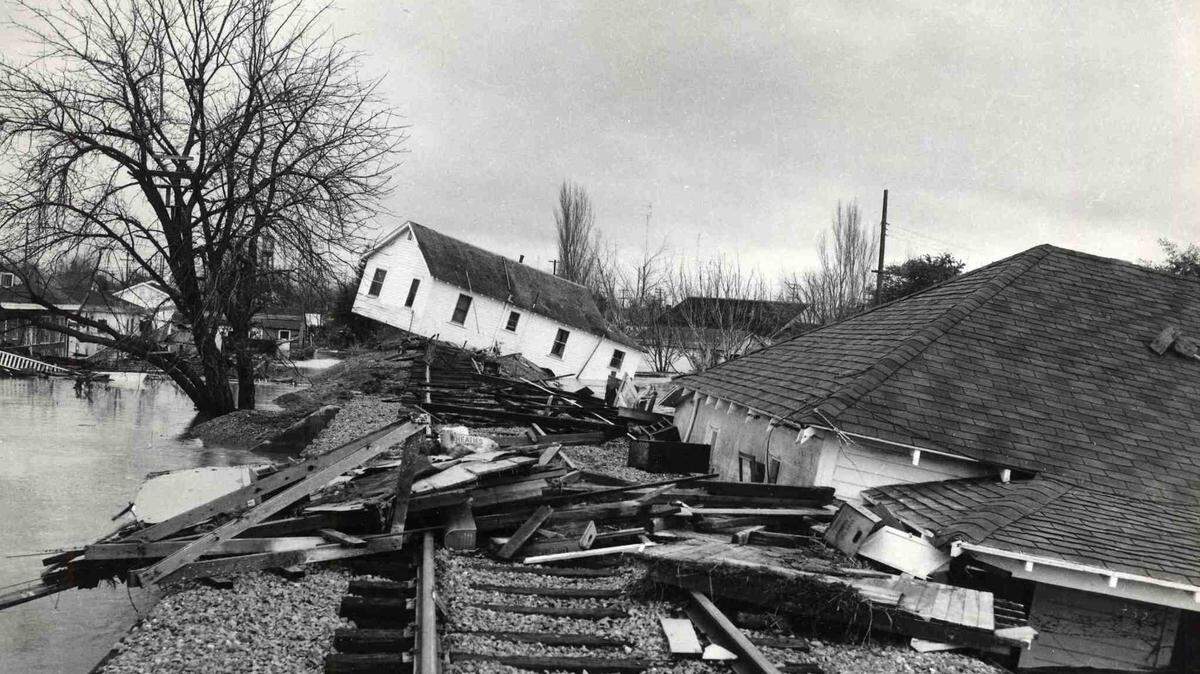
This project brought increased stability to the river flows and provided a reliable source of water and power to support urban and rural needs. Despite that, the region continued to face flood risk. In both 1986 and 1997, flooding from the Yuba and Feather rivers inundated communities in the southern portion of Yuba County, causing several fatalities and hundreds of millions of dollars in damages, and leading to decades of lost opportunity for the region.
In responding to these tragedies, our county and the Yuba Water Agency have taken bold steps to address flood risk, setting exceptionally high standards for flood safety, adopting innovative approaches to water management and collaborating with stakeholders and regional partners. To ensure Yuba County residents have the lowest flood risk reasonably achievable, we are developing a new lower outlet at our existing dam. The Atmospheric River Control spillway will enable the release of more water ahead of atmospheric river events and significantly reduce the risk of flooding downstream.
We are also teaming up with researchers at Scripps Institution of Oceanography’s Center for Western Weather and Water Extremes as well as partnered with officials at the state and federal levels to improve forecasts that directly influence our reservoir operations. These operational improvements will allow us to more proactively identify how much water to release from our reservoirs based on the forecast, rather than the calendar.
These tools are essential in managing flood risk during the wet years and conserving water more effectively during drought, and demonstrate that more can be done both in Yuba County and similarly across the state to protect the safety and prosperity of regions at risk of catastrophic flooding.
We encourage the state to take a more significant role in safeguarding California’s communities by allocating additional resources toward supporting these and other local flood control projects. In adapting to a rapidly shifting environment, our state must be innovative and increase investment in systemwide water management tools to better anticipate and react to the challenges ahead. By investing in our state’s flood control capacity, residents can confidently set down roots in their communities, all the while knowing the flood risk to their homes, families and businesses will be significantly reduced.