
California needs speed bumps, not speed cameras. We don’t need more surveillance | Opinion
Speed bumps in neighborhoods work wonders to curb speeding. They are a time-tested deterrent that can be implemented in a way that allows for necessary investment in low-income neighborhoods. So why is California choosing speed cameras over speed bumps, effectively implementing more surveillance that further targets poor communities?
As a father of two young children, I stand firmly against automated speed enforcement in my neighborhood. Extensive research makes clear that traffic enforcement at the hands of police is one of the deadliest encounters for Black and brown people, who are disproportionately stopped by police. These stops are likely to result in car searches, arrests, violence and murder.
Now, the Legislature has proposed Assembly Bill 645, which would create a speed camera program that scans license plates and sends tickets. It may seem like a way to reduce police interactions and speeding, but it only replicates a system that unfairly penalizes low-income communities of color. And guess what? There’s a better way.
Traffic calming is a proven approach that makes our roads safer for everyone. It means physical changes like speed bumps, fewer car lanes and curb extensions. These measures reduce vehicle speed, create safer spaces and even leave room for green areas. Picture trees lining a chicane, forcing cars to slow down — effective transportation policy choices. Instead of investing in a system of more fines and fees that will hit the people with the least amount of money the hardest, the state should focus on improving our roads, thereby making them safer.
I live in Oakland, one of California’s largest cities. Here, the city’s paving maintenance backlog is a staggering $432 million, including $76 million in deferred maintenance on major streets. Some argue that AB 645 is a step forward, a form of harm reduction. But as advocates for justice, we demand more. Why not invest in historically neglected communities? Why not repair the roads across the state where we know the most pedestrian injuries are happening?
Did you know that equalizing four-way intersections in poor communities could reduce pedestrian injuries by 71%, cyclist injuries by 58% and motorist injuries by 79%?
Automated speed enforcement will likely hit low-income communities of color the hardest, just like in Chicago. There, Black and Hispanic zip codes faced double the ticketing rate of white ones from 2015 to 2019, even tripling during the pandemic. I also recently learned that police in Sacramento are sharing license plate reader data with anti-abortion states. It’s a pattern we can’t ignore.
Although AB 645 includes considerations for equity to address potential misuse of data from speed cameras, excessive fines and data security, I find it insufficient to garner my support because, ultimately, automated speed enforcement is an extension of the policing system.
AB 645 proposes dedicated revenue for traffic calming efforts, aiming to improve road safety and reduce congestion. However, it raises concerns regarding the allocation of this investment. Regrettably, marginalized communities, which have long suffered from inadequate infrastructure, often bear the burden of such initiatives, while wealthier neighborhoods thrive with superior amenities.
Instead of relying on temporary fixes that merely address the symptoms of the problem, it is crucial to adopt a comprehensive approach from the outset.
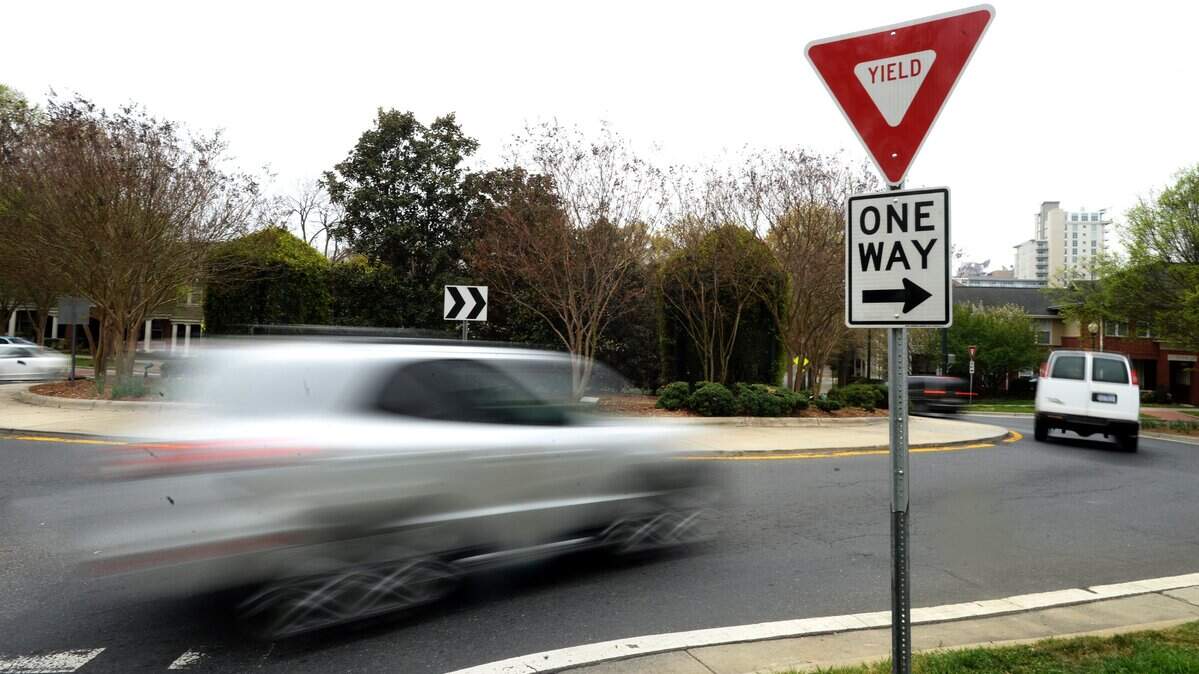
Traffic calming measures are designed to slow down vehicular traffic and create safer environments for pedestrians, cyclists and residents in busy urban areas. These measures are essential on streets like Telegraph or Shattuck in Oakland, where high traffic volumes can lead to congestion, accidents and reduced quality of life for the community. Several non-surveillance traffic calming measures that can be implemented on such streets include speed humps, chicanes, reducing the number of lanes on the road, raising crosswalks, bulb-outs, messaging and roundabouts.
Traffic calming measures should be designed with specific characteristics of the street, the surrounding community and traffic patterns in mind. A combination of measures, adapted to the local context, can create safer, more livable streets without relying on surveillance cameras.
By channeling resources into robust infrastructure, we can uplift historically redlined and neglected communities, enhancing road safety and improving residents’ overall quality of life. It is high time to prioritize long-term solutions that foster equitable development and empower all communities to flourish.