
The public lands that unite us are changing before our eyes. We need to change, too | Opinion
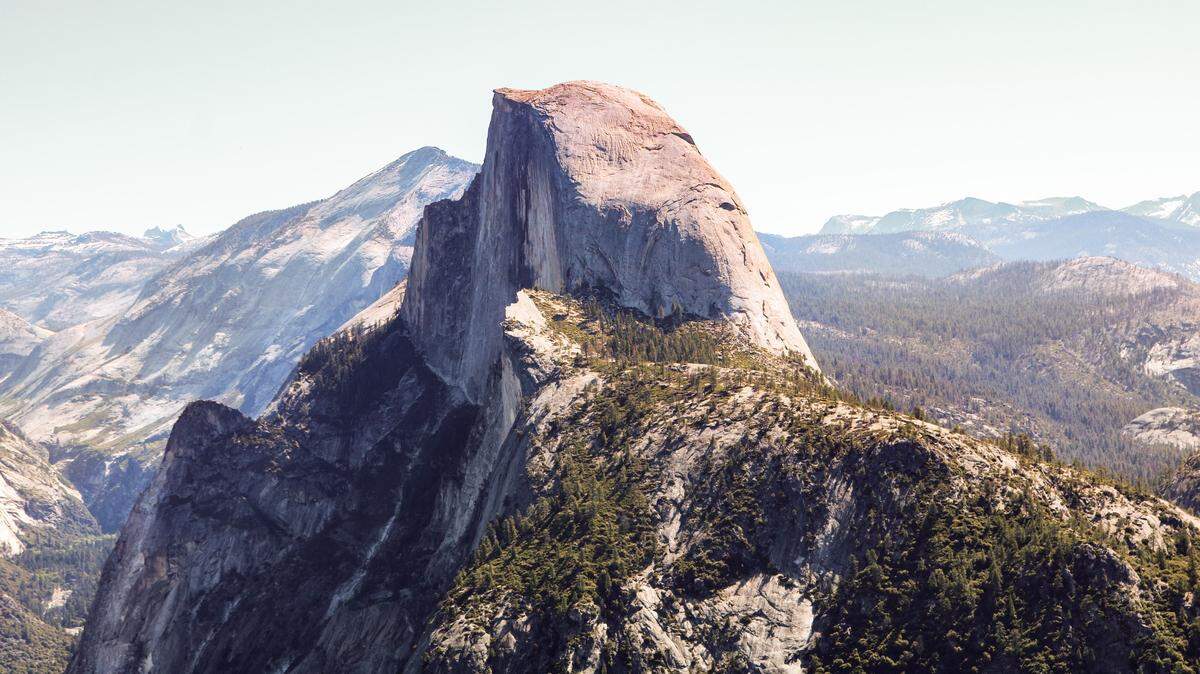
One thing unites nearly all Westerners: an abiding love of our public lands.
We camp, play, hike, hunt and fish on them. We rely on them for food, timber, minerals and energy. They provide clean air and water and essential wildlife habitat. They drive our economy.
As the nation’s largest land manager, the Bureau of Land Management (BLM) balances these uses, but as the climate crisis worsens, that work gets harder. Fortunately, there is one way to ensure our public lands will provide as they always have: prioritizing landscape health.
Thanks to the president’s Investing in America agenda, we can put people to work like never before restoring our public lands and waters, from plugging abandoned oil wells that leak toxic fumes to restoring forests and range lands at heightened risk of wildfire.
In California for example, we’re investing $7.6 million to restore wildlife habitat, clean water and sustain biodiversity in the heart of the Central Valley, home to California’s largest remaining valley oak riparian forest.
We’re also ensuring our land managers have tools to protect and restore our public lands with science-driven decisions. Those tools are outlined in the proposed Public Lands Rule, which would put conservation on equal footing with other uses. We’ve received helpful feedback from the public that will inform the final rule.
Focusing on land health can and must extend across all the BLM’s work, from recreation to energy development.
Our public lands work hard, having powered our nation with reliable and affordable energy for over a century. That’s going to continue, but the type of energy we are developing is shifting. President Joe Biden and U.S. Department of the Interior Secretary Deb Haaland have been clear: We owe it to current and future generations to tackle the climate crisis today. As we endure the hottest summer on record, this work gets more urgent.
To meet this moment, we are ramping up and incentivizing clean energy development to achieve a carbon-pollution free power sector by 2035 and a net-zero emissions economy by 2050. We’re developing this energy where conflicts with other uses are low.
We’re also ensuring that throughout the energy transition, oil and gas development is as responsible as possible. We’re clamping down on speculation and, for the first time since 1960, increasing bonding rates that oil and gas companies pay so taxpayers don’t have to pay to clean up abandoned wells.
Meanwhile, we’re responding to a booming demand for recreation. We love that you love us. That’s why we will soon release a Blueprint for 21st Century Outdoor Recreation to guide our work. You can have fun on public lands, and we want to keep it that way, while still protecting the lands we all love.
Some public lands are so exceptional they deserve long-term protection: Over the past two years, President Biden has designated and restored four national monuments on BLM-managed public lands that are the sacred, ancestral homelands of tribes. Their protection is a commitment to future generations, but protection is just the first step. We will manage these monuments alongside the tribes that know them best through historic co-stewardship agreements, ensuring these living landscapes inform our nation’s deeper understanding of the land and its history. This is how we tell our country’s full and honest story.
Of course, none of these intertwined efforts will be successful on paper alone. As the public lands that unite and define us change before our eyes, our shared future is counting on it.