
Sacramento is seeing more and more homeless youth. How can we help them? | Opinion
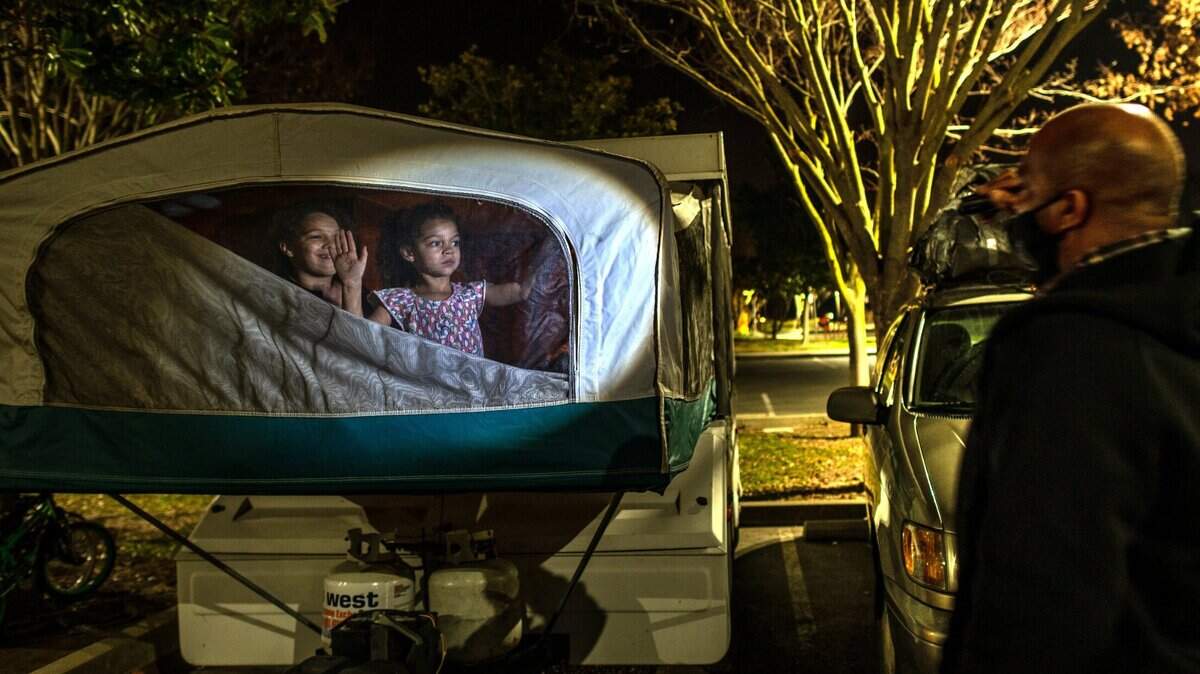
Youth experiencing homelessness have dreams, too, but they often lack the essential support, opportunity and guidance to achieve them.
In Sacramento County, homelessness has increased by 67% since 2019; one in seven people experiencing homelessness today are younger than 24. As a parent, this breaks my heart. As a researcher, I know that these youth have worse health outcomes than their adult counterparts. They need developmentally appropriate services. Unfortunately, policies and programs often exclude the unique needs of vulnerable youth, rendering them invisible.
Ample evidence proves that they need help. A recent statewide study found that one in three youth experiencing homelessness (approximately 32%) reported a mental health-related hospitalization — a higher rate than single adults or adults in families. Similarly, when examining the percentage of people who had attempted suicide at some point in their life, youth were the highest. Almost 70% of youth experiencing homelessness reported experiencing depression and anxiety.
Tragically, homelessness is growing worse among young people. According to the 2022 Annual Homeless Assessment Report to Congress, homelessness among young adults has increased 22% from 2020 to 2022. In California, 62% of these young people are spending the night in a place not designed for sleeping (typically, outdoors or in a vehicle). Youth in foster care are particularly vulnerable. Without adequate support or guidance, the transition out of foster care is abrupt and turbulent. One study found almost half (approximately 46%) of youth and young adults experienced homelessness after leaving foster care before the age of 26.
In Sacramento County, one in four adults spending the night in a place not designed for sleeping report that they spent time in foster care before age 18. Minority youth with nontraditional sexual orientations are at elevated risk: Among youth clients at the Sacramento LGBT Community Center, 36% are experiencing homelessness.
Obviously, these persistent challenges demand solutions. We must pay particular attention to youth via services, policies and programs that consider their specific cognitive and emotional development. And we must employ age-appropriate strategies and techniques. Young people need safe, diverse housing options, support in developing decision-making skills, guidance in recognizing and managing their emotions and strategies to manage stress and build resilience. Developmentally appropriate services that focus on education, employment and wellness are especially powerful.
One example is Larkin Street Youth Center in San Francisco which provides wraparound services for youth experiencing homelessness, including mental health, employment and education programs along with diverse housing needs. As a result, nine out of 10 young people who complete Larkin Street’s long-term housing program move into stable housing.
Every person experiencing homelessness needs help. But youth are too often treated as adults, and do not receive the tailored, developmentally appropriate services they require. Some struggling young people receive some assistance through a high school or college counselor, but many unhoused young people are unable to engage consistently in education. When you don’t have a stable place to live, consistent school attendance is nearly impossible.
We can help young people experiencing homelessness accomplish their dreams and reach independence. Living on the streets of Sacramento is the next great teacher, doctor, scientist, engineer or mayor. They can get there with our support.
This story was originally published November 5, 2023 at 6:00 AM.