
To avoid another wildfire disaster like Lahaina, we must build forest resiliency | Opinion
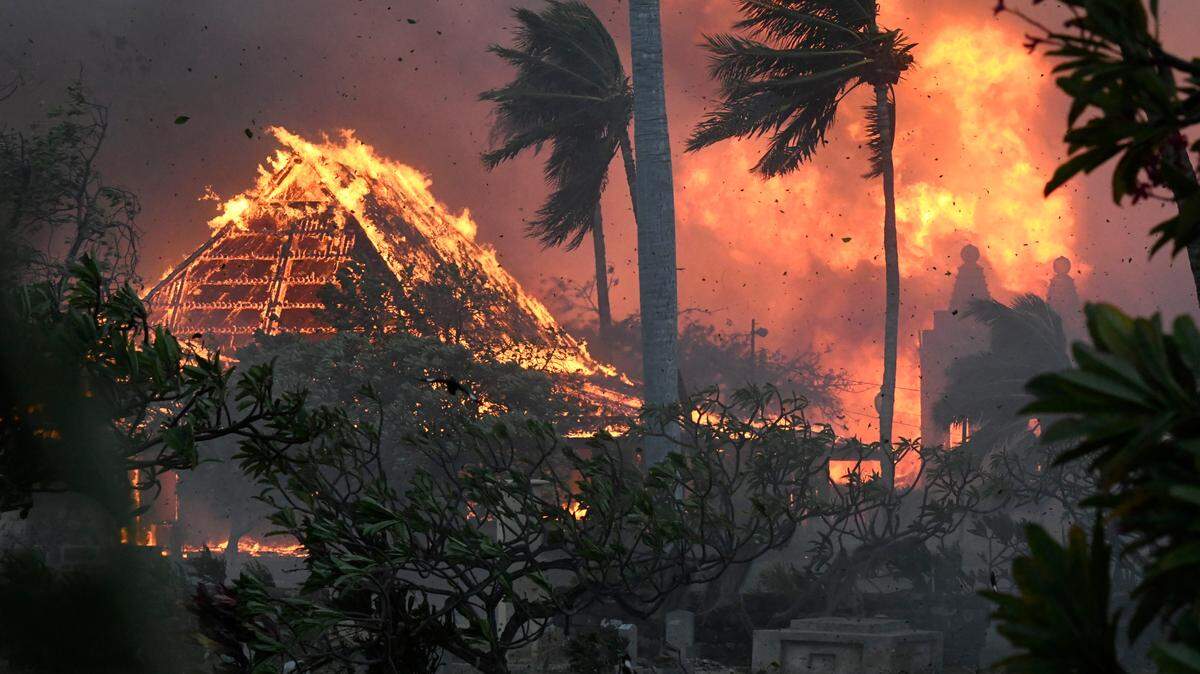
This wildfire season, the grim torch of the deadliest wildfire in our nation’s recent history has passed from the devastation that was the Camp Fire, in my community of Paradise in 2018, to the destruction of Lahaina on the Hawaiian island of Maui, earlier this year.
These tragedies serve as a haunting reminder of what is at stake without immediate intervention. In California, that intervention means the urgent employment of forest management strategies to preserve forests and protect communities.
Over the past century, the western U.S. has embarked on a policy of fire suppression, developing onerous and overlapping regulations that have led to an unsustainable build-up of unburnt fuel. With rising temperatures and prolonged droughts, this build-up presents an increasing risk for more devastating wildfires. In addition to loss of life and property, wildfires significantly threaten forest health and biodiversity, and damage takes decades to heal.
The wildfire smoke produced by these events, such as the swaths of smoke that blanketed the East Coast from Canada, have far-reaching health consequences. This smoke also releases extensive amounts of greenhouse gases, undoing air quality improvements and inhibiting the state’s ability to meet its climate goals.
Leaders in the private, public and non-profit sectors must adapt and innovate to address these wildfire realities.
Research overwhelmingly points to forest restoration projects as a key solution to address biomass buildup and improve overall forest health. A report by the University of British Columbia’s Centre for Climate Justice argues that “a dramatic increase in the pace and scale of forest restoration promises not only to reduce wildfire severity and enhance forest resilience but also to sustain long term employment.”
Forest treatment projects — consisting of prescribed burns and strategic thinning and planting — have gained significant support from research institutions and the state and federal government as essential components of a long-term, forest management solution to reduce wildfire risk. However, a significant challenge to implementing this work to the necessary scale is the lack of an outlet for the biomass produced. With approximately 33% of the state’s total land area covered by forests, the state has little excess space to store or offload biomass. In the absence of a sustainable outlet, these materials are often burned or “chipped” in place; but neither is a long-term, sustainable solution.
Golden State Natural Resources, a non-profit governed by elected county supervisors, including myself, is now working to develop a sustainable process for supporting wildfire resilience projects and reducing biomass in the North and Central Sierras. Our approach involves converting surplus and unmarketable biomass from forest treatment projects into valuable wood products, helping generate employment opportunities, improving forest health and ultimately reducing wildfire risk.
Despite the state’s significant need for forest restoration such as this, opposition remains from some interest groups fearful of any intervention into the forest ecosystem. Such skepticism often fails to recognize the dangers of overly dense forests in California, which directly affect these delicate ecosystems by limiting sunlight, heightening resource competition and increasing the risk of irreversible habitat loss from wildfire.
Misinformation in the wildfire space is all too common, and can lead to inaction. In actuality, when responsibly planned and designed in collaboration with local stakeholders, forest restoration projects can help improve forest health by reducing density and restoring ecosystems to a more natural state.
With recovery efforts in Lahaina still underway, and the threat of new blazes always emerging across the western states, the time for investment in forest management is now.
“The need has never been greater for community-based wildfire resilience action and proactive landscape management,” writes The Nature Conservancy and Aspen Institute. To accomplish this feat, we must responsibly implement forest restoration work to the necessary scale.
Together, we can create a safer and more resilient future for our state residents, while preserving the beauty and vitality of California’s forests for generations to come.