
It’s been five years since the Camp Fire decimated Paradise. There’s still work to do | Opinion
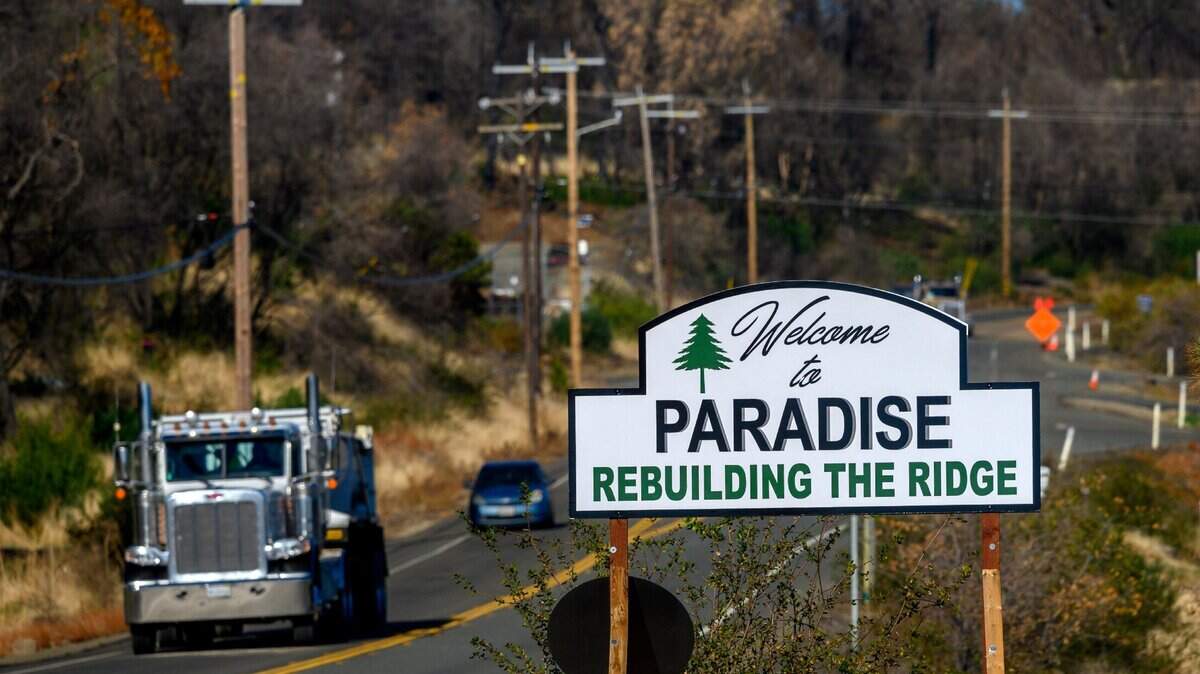
Five years ago today the Camp Fire ignited. It raged for more than two weeks, devastating the towns of Paradise, Concow and Magalia, killing 86 people and thousands of animals in the deadliest and most destructive wildfire in California history. Ignited by a nearly 100-year-old PG&E power line, it took only four hours to rip through Paradise, spreading at a rate of 80 football fields a minute at its peak. The scenes and videos from that night were nothing short of horrifying.
I’ll never forget the tragic stories of the destruction I heard in the days following. Couples were trapped to burn in their cars, others drove into creek beds in the hope of protection and bulldozers cleared parked cars off the streets to create a flow of traffic. It is heartbreaking to know that in California, the world’s fifth-largest economy, this was a reality that happened just five years ago today.
Approximately 153,000 acres and 18,000 structures (14,000 of which were homes) were destroyed. An estimated 30,000 people became homeless, and damage and economic losses totaled more than $400 billion.
Recovery for the people and the town has been difficult, lengthy and uneven. The emotional trauma for survivors continues even as the physical restoration progresses.
What lessons have we learned from the Camp Fire?
First, we need to update emergency communications systems, for both alerting residents of impending danger and allowing firefighters and law enforcement to be able to communicate effectively and efficiently. Paradise’s roads out of town were gridlocked within an hour of the first evacuation order.
There needs to be more effort put into emergency preparation and evacuation plans, along with educating families on how to have “fire-wise” communities.
We need to hold the federal government to a much greater level of accountability for their “let it burn” approach to wildfires, instead of extinguishing fires immediately.
Utility companies must be held to a higher standard of safety in the maintenance of their equipment and land, and the state must do more and better vegetation management of its public and private properties. There has been some progress on this in the past few years, but much work remains to repair decades of intentional neglect.
California’s environmental groups have long rejected strategic, controlled burning and mechanical thinning to remove underbrush prone to wildfires. As a result, underbrush has grown out of control, and California’s forests have become tinderboxes full of dead, diseased and dying trees.
We must prioritize spending for ongoing vegetation management programs and eliminate the entrenched environmental red tape that hinders, even blocks vegetation management efforts.
Senate Republicans are committed to making these happen. For decades, legislative Republicans have worked to lower the risk of wildfires in California. While some of our legislative proposals, ideas and suggestions have been enacted, many have not.
We have successfully enacted fuel reduction and timber thinning programs and expanded defensible space clearing allowances for homeowners. Other efforts held in committee or killed include providing CEQA exemptions for wildfire defense projects, and annual budget appropriations specifically dedicated for fire prevention and firefighting activities.
We will never be 100% safe from the threat of wildfires, but we can do much more to protect people and communities. My Republican colleagues and I will continue working to ensure the state does better when it comes to wildfire preparedness, response and recovery.
It’s been five years, but we haven’t forgotten and we never will.
This story was originally published November 8, 2023 at 5:00 AM.