
NorCal Zionist: The unrelenting carnage inflicted on civilians in Gaza must stop | Opinion
As a Jew and a life-long Zionist, I am increasingly concerned at the prospect of the nation’s prestige in the Middle East being compromised by the failed policies and toxic administration of Israeli Prime Minister Benjamin Netanyahu and the worsening violence in Gaza.
I lived and worked in Israel from 1966 to 1977. I attended a university in Jerusalem and graduated from medical school in Tel Aviv. Having returned to the U.S. to specialize in pediatric cardiology, I have practiced in Northern California for the past 40 years. For the past 16 years, I have done biannual volunteer missions to Israel’s West Bank, serving children without access to care.
There is no question that the monstrous actions of Hamas on and after Oct. 7 are completely inexcusable, as was their brutal hostage taking. Indeed, this murderous organization must be utterly dismantled.
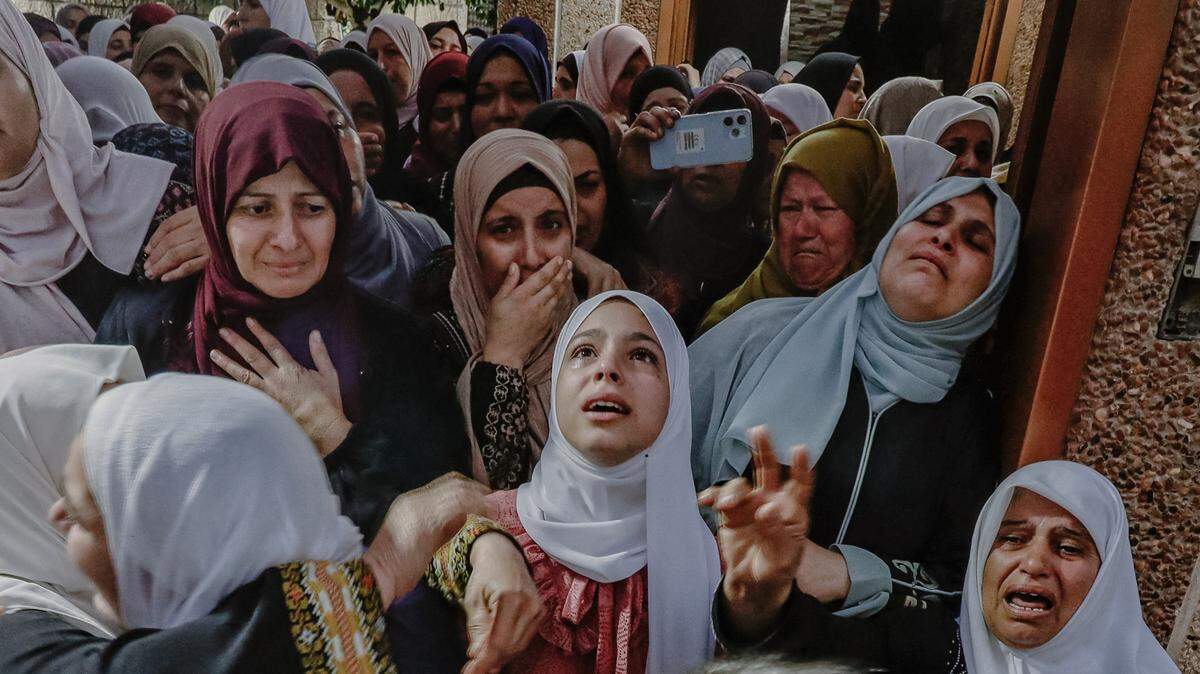
However, the unrelenting carnage inflicted on the civilian population of Gaza must stop. These images compound the anger and hopelessness throughout the Arab world are only creating more terrorists. And since the U.S. is tethered to Israel’s actions, this is threatening our credibility as an honest broker in the Middle East and throughout the world.
I applaud President Joe Biden’s empathy for the victim’s of Oct. 7. I appreciate his sending Secretary of State Antony Blinken to meet with Palestinian President Mahmoud Abbas in Ramallah to outline the U.S. commitment to pressure Israel to protect civilians in Gaza; increase humanitarian aid supplies; rein in and punish surging violence by extremist Jewish settlers against Palestinians in the West Bank; and prioritize a two-state solution to the conflict.
This “pressure,” however, will not succeed given the current Israeli government. We will continue to see images of a shattered Gaza under siege. Likewise, we’ll continue to see Israeli settlers attacking Palestinians on the West Bank. But these cannot and must not be the only images the world witnesses. While the horrors of Oct. 7 and the plight of the hostages must be retold and never forgotten, the world also needs to see a hopeful narrative.
Even before the horrors that began on Oct. 7, Netanyahu’s political fortunes were already dimming due to his legal woes, his suggested “judicial reform” and huge Israeli protests against these “reforms.” With the catastrophe that occurred on his watch on October 7, his popularity in Israel has plummeted. Given this, it’s common knowledge that the administration is in contact with Israeli politicians who might take the helm of Israel’s government once Netanyahu is removed from office through legal or parliamentary steps. This cannot happen soon enough.
A new Israeli prime minister with a new cabinet might counter the dismal reality in Gaza and the West Bank with a new vision of an Israel that unilaterally enacts tangible and visible reforms — and to do this even during war. Indeed, Ukraine is enacting reforms during wartime in hopes of gaining entry into the European Union.
This new vision might include an Israeli government pushing back against the rising tide of lawless Israeli citizens and illegal settlements throughout the West Bank by arresting lawless settlers and compensating those who agree to leave illegal settlements peacefully while forcibly removing those who refuse with arrest and prosecution under Israeli law.
Likewise, the sense of hopelessness rampant in Palestine now would be relieved to witness an Israeli government acting unilaterally to create a cabinet-level office of peace and reconciliation — putting back on the table the unresolved issues of Jerusalem, the Temple Mount, Palestinian refugees, the Palestinian right of return and Israeli settlements.
This kind of change in Israel can go far in replacing the hopelessness experienced daily by Palestinians in Gaza and the West Bank, markedly improving their daily lives, especially with the support of the U.S., the EU, Great Britain, Arabian Gulf states and Saudi Arabia.
While bilateral efforts and a new Palestinian election will be necessary to negotiate and resolve the conflict with a viable two-state solution, at least there could be a positive narrative upon which to build.