
Sacramento State professor: I’m proud my campus refuses to profit from human suffering | Opinion
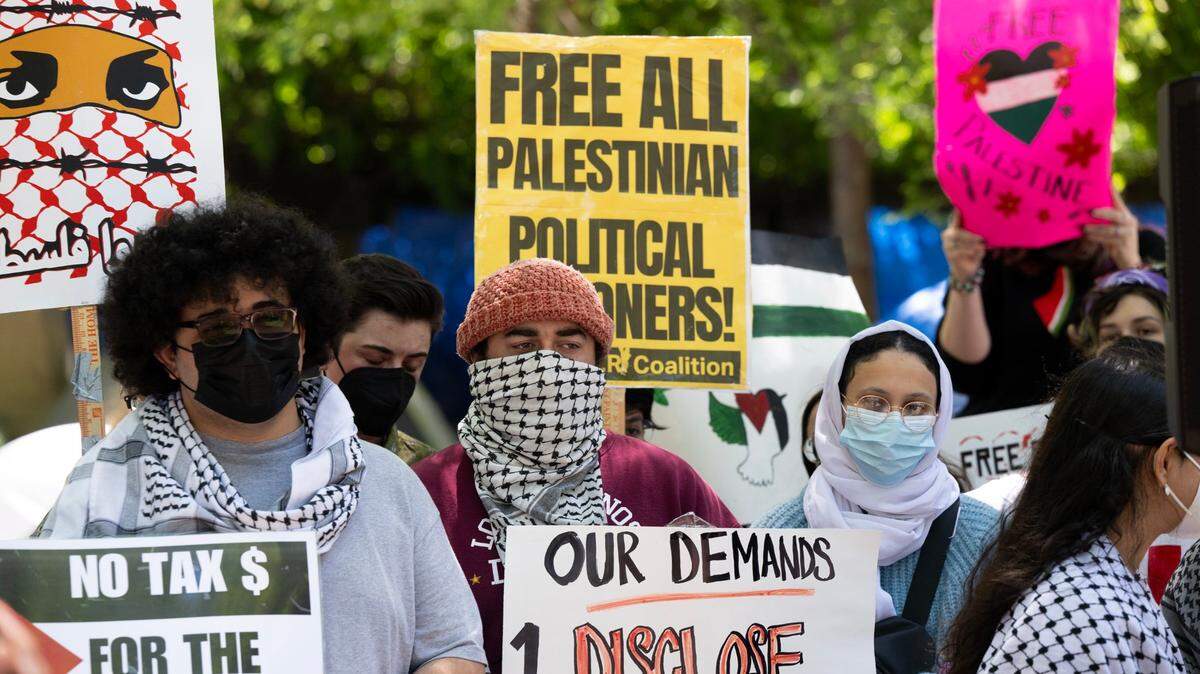
As a professor of history entering my second decade at Sacramento State, I have never been prouder to be part of the Hornet community.
On May 7, President Luke Wood signed Executive Memorandum 2024-1, which prohibits campus investments in “corporations and funds that profit from genocide, ethnic cleansing and activities that violate fundamental human rights.” CSU Sacramento’s auxiliary organizations are now in the process of developing and implementing appropriate standards based on the new policy for socially responsible investments. Fortunately, the university says it has no direct investments in any of the companies on the list provided by the student leaders of the campus encampment. This policy will align the university’s fiscal management with its commitment to social justice.
As a scholar of political violence, colonialism and genocide, I know that economic pressure is a powerful tool in the struggle for human rights. Wood’s decision to listen to and work with student activists — rather than ignore or criminalize them — stands in sharp contrast to other campuses.
I am old enough to remember the importance boycotting, sanctioning and divesting played in ending South Africa’s white supremacist regime. As a historian, I am professionally obliged to cite historic precedent.
In 1985, (my freshman year at UC Santa Cruz), anti-Apartheid activists occupied UC Berkeley’s Sproul Hall — a site made famous by Mario Savio and Joan Baez in the 1964-65 Free Speech Movement. Renaming the plaza in honor of slain South African activist Steve Biko, students brought tents and sleeping bags and refused to leave until the University of California divested $4.6 billion from the Apartheid regime. Within a week, there were thousands of protesters by day and hundreds sleeping in Biko Plaza by night.
The police moved on the encampment and arrested 156 protesters, thousands of students boycotted their classes. The embarrassed UC Regents agreed to discuss the students’ demands — and, in 1986, the regents voted to divest $3.1 billion from companies doing business with South Africa, the largest single divestment of the movement.
Divestments, sports boycotts and the federally mandated sanctions in the Comprehensive Anti-Apartheid Act isolated the regime. Under these combined pressures, Apartheid ended.
History proves both that divestment is an effective strategy and that student encampments can work.
Obviously, Wood’s decision was made in the context of widespread campus protests against Israel’s current military operations in Gaza. While we all condemn the horrific violence committed by Hamas on October 7, 2023, many students, faculty and administrators have been shocked by Israeli Prime Minister Benjamin Netanyahu’s brutally disproportionate and indiscriminate response. For months, we have witnessed the slaughter of tens of thousands of Palestinians; the spread of disease and starvation; and the suffering of orphaned children with missing limbs.
Faced with this horror, many feel an impotent rage.
In sharp contrast to forceful responses to protests on other campuses, CSU Sacramento’s leadership stated that “student protests and political action are cornerstones of higher education and democracy,” and campus leadership met with activists. While there was no “treaty” or quid pro quo, Wood’s commitment to cutting financial ties with those profiting from human suffering satisfied the central demand of student activists. While pushed forward by these protests, the university’s plans to divest were pre-existing policy agenda, central to the administration’s deep and sincere commitment to social justice.
I am proud of Sacramento State’s leadership for listening to and not criminalizing our students. I am proud that Wood refuses to profit from human suffering. I am proud that my campus welcomes all members of our diverse community. I am proud of my students who fight for social justice.
This story was originally published May 17, 2024 at 6:00 AM.