
Sacramento mayor: Fewer people living in homelessness is cause for hope | Opinion
Today’s news that Sacramento’s unsheltered homeless count has dropped 41 percent since 2022 is not an occasion to declare victory. There is still a long way to go before homelessness is rare and brief.
But maybe homelessness is not so intractable after all. The dramatic reduction in Sacramento’s biennial Point in Time count — one of the largest in the state — undeniably affirms that the steady course we set seven years ago to address this state and national crisis is working.
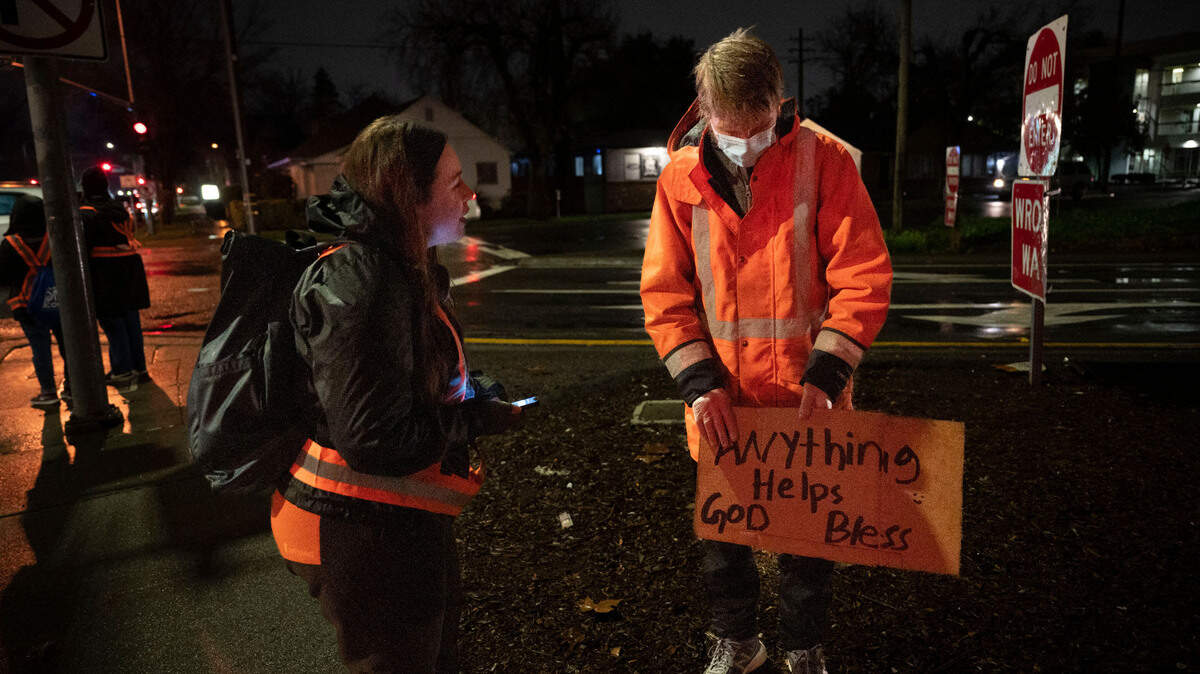
The 2024 PIT count, conducted by hundreds of volunteers on the nights of Jan. 24 and 25, found 3,944 people living outdoors or in vehicles in Sacramento County, including the City of Sacramento. That’s a 41% drop from the 6,664 unsheltered people identified in the 2022 count.
The number of unhoused people in the city and county — including those living in emergency shelters and other temporary housing — dropped by 29%, from 9,278 to 6,615. The majority of homeless people — 60% — were still unsheltered, but that figure compares to 72% living unsheltered in 2022.
Our strategies for achieving these numbers have been clear, consistent and deliberate: Push for the resources to build more capacity, offer people shelter and services, and enforce our laws.
Since I became mayor seven years ago, the city of Sacramento has gone from less than 100 emergency shelter beds to more than 1,300. Starting in the first year of my mayorship, we opened one shelter after another — often in the face of intense community opposition.
We now fund separate tiny home communities for young people and adults. We have a congregate shelter just for women and another for adults. We house nearly 600 parents and children every night in motel rooms master-leased by the city. We have dramatically increased our production of affordable housing, including the units that come with the wrap-around services many chronically homeless people need to remain housed.
In 2020, we created an entirely new department, the Department of Community Response, that employs 50 people in an incident-command model to quickly connect encampment residents with services and respond to neighborhood concerns. We enforce our ordinances to protect our sidewalks and critical infrastructure like parks and public utilities.
The 2022 partnership agreement we reached with Sacramento County means we are working together like never before to enroll encampment residents with the county’s behavioral health and treatment resources. Sacramento Steps Forward also has worked with the county and the city to create a regional action plan with specific targets and accountability measures to ensure that our money is well spent. The city and county have also collectively funded a coordinated access system to streamline referrals into shelter and housing.
We could not have made this progress without the tens of millions of dollars we have collectively received through the state’s Homeless Housing, Assistance and Prevention Program, also known as HHAP. I chaired California’s Big City Mayors coalition when we won the first direct allocation of state homelessness funds to cities. These HHAP dollars currently fund 97% of the city’s emergency shelter beds.
Our latest focus has been joining with other big city mayors to protect the $1 billion allotted to local governments through HHAP for 2024-2025. The Joint Legislative Budget released by the Assembly and Senate last week restores that funding, which had been cut in the governor’s May Revision.
The ups and downs of the last seven difficult years have taught us some important lessons. The promise of quick and easy solutions may bring short-term satisfaction, but never produce actual results. It’s the work that matters. Insisting that this problem can get better and sticking to a vision of increased capacity and collaboration, even in the face of a pandemic and housing affordability crisis, is more important and impactful than frivolous political lawsuits and angry stakeholder initiatives.
Here at the city of Sacramento — and I know the same is true of our county partners — we will continue working to make this problem better, one person at a time.