
Medication for opioid addiction is effective and available. So why isn’t is accessible? | Opinion
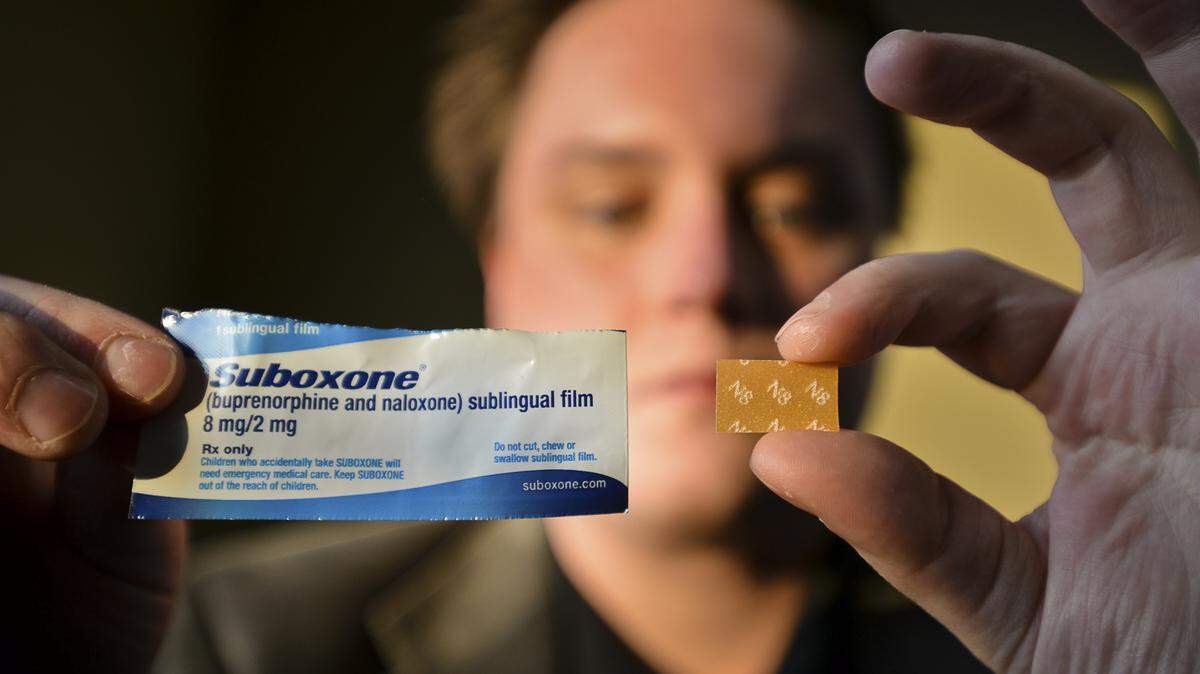
As an emergency department physician, I have been on the front lines of the opioid overdose crisis, treating countless people — young and old, housed and unhoused — experiencing an overdose or struggling with substance use. In the emergency department, we see people on their worst days. It can be a daunting and harrowing experience, and we have an opportunity to offer hope and a way out.
Our current epidemic of overdose deaths is solvable. There is a path forward to rein in the opioid overdose epidemic, save lives and get people into sustained recovery.
In 2018, I co-founded CA Bridge, an addiction treatment program housed in emergency departments at 276 hospitals across the state, from UC Davis Medical Center in Sacramento, to Highland Hospital in Oakland and Bakersfield Memorial Hospital. The goal of CA Bridge is to provide 24/7 access to medication treatment for patients with opioid use disorders. This is done by training medical providers to identify patients with opioid use disorders and immediately starting treatment with medication. Medications for opioid use disorder, like buprenorphine, are remarkably effective — controlling symptoms of opioid use disorder, lowering overdose risk and increasing rates of long-term recovery.
CA Bridge emergency departments also have specially trained navigators who work closely with patients to ensure they can get prescriptions filled and access outpatient care after they are discharged from the hospital. Across California’s statewide network of over 270 emergency departments, 85% of patients offered medication accepted it. These patients were twice as likely to remain in treatment after one month than patients who did not receive medication.
Our success hinges on the obvious and radical concept of low-barrier access to addiction treatment, which requires making treatment available to patients when needed. However, our healthcare system does not have enough treatment options. There is a stigma surrounding addiction treatment and a lack of familiarity with medication treatment further limits treatment availability. This has created a serious barrier to getting patients the care they need.
Nationwide, roughly 87% of people with an opioid use disorder do not receive any medication treatment.
Imagine the impact we could have if we opened more doors to medication for addiction treatment to anyone who needs it, the moment they need it.
California can do just that with Proposition 1, the measure voters recently approved to fund a $6.4 billion bond to expand the state’s mental health and substance abuse treatment infrastructure. With Prop. 1, California finally has the funding capacity to expand the availability of low-barrier treatment in our communities.
We don’t need to wait until someone experiences an overdose and ends up in the ER to get them treatment. Instead, we can offer treatment where they are already getting other services — including in primary care clinics and community health centers.
Community health centers, for example, provide basic primary care, offer immunizations, prenatal care and health services for conditions such as high blood pressure, diabetes and HIV regardless of a patient’s ability to pay. They’re incredible hubs that could be doing much more to offer opioid and substance use disorder treatment.
By leveraging $100 million in Prop. 1 funds, we could adapt the successful CA Bridge model to staff and train providers in 500 community clinics to ensure that their healthcare professionals are able to screen patients for opioid dependence, treat them with medication for addiction and connect them to ongoing care. This one-time startup investment would be buttressed by on-going federal Medi-Cal dollars. The impact would be nothing short of miraculous: improved care for 300,000 Californians a year, including 200,000 patients with Medi-Cal coverage.
There is a myth that people with substance use disorders don’t want treatment and that we need a hammer to force or coerce them into treatment. That’s simply not true.
In my 17 years treating patients with substance use disorders, it’s been my experience that patients are hungry for treatment — but it’s simply not offered in a way that they can easily access. Right now, it is easier for Californians to get their hands on fentanyl and other opioids than it is to get treatment.
Opioid use disorders are the only medical conditions that we do not systemically treat with medication the way we do other chronic conditions like diabetes or high blood pressure. If we want to get serious about addressing opioid dependence and the overdose crisis, we must fundamentally shift our approach.
This story was originally published August 27, 2024 at 6:00 AM.