
Stronger Low Carbon Fuel Standard program will help California save money, breathe easier | Opinion
California’s recent wildfires show just how important it is to reduce the heat-trapping greenhouse gases being released into the atmosphere every day. According to the California Air Resources Board, 2023 wildfires released 9.1 million metric tons of carbon dioxide into the atmosphere — about the emissions of 2.1 million gasoline-powered cars.
On a positive note, the California Air Resources Board also says the state’s overall greenhouse gas emissions dropped in 2023 and 2022, driven mostly by adoption of electric vehicles. Now, the board is proposing important regulatory changes that would further speed up the adoption of electric vehicles while putting downward pressure on electric bills for customers across California.
The proposed changes would increase the stringency of carbon emission requirements for transportation fuels to align with the board’s plan for achieving carbon neutrality. They would also establish an automatic acceleration mechanism to ensure the program remains effective, and increase incentives for low-income communities.
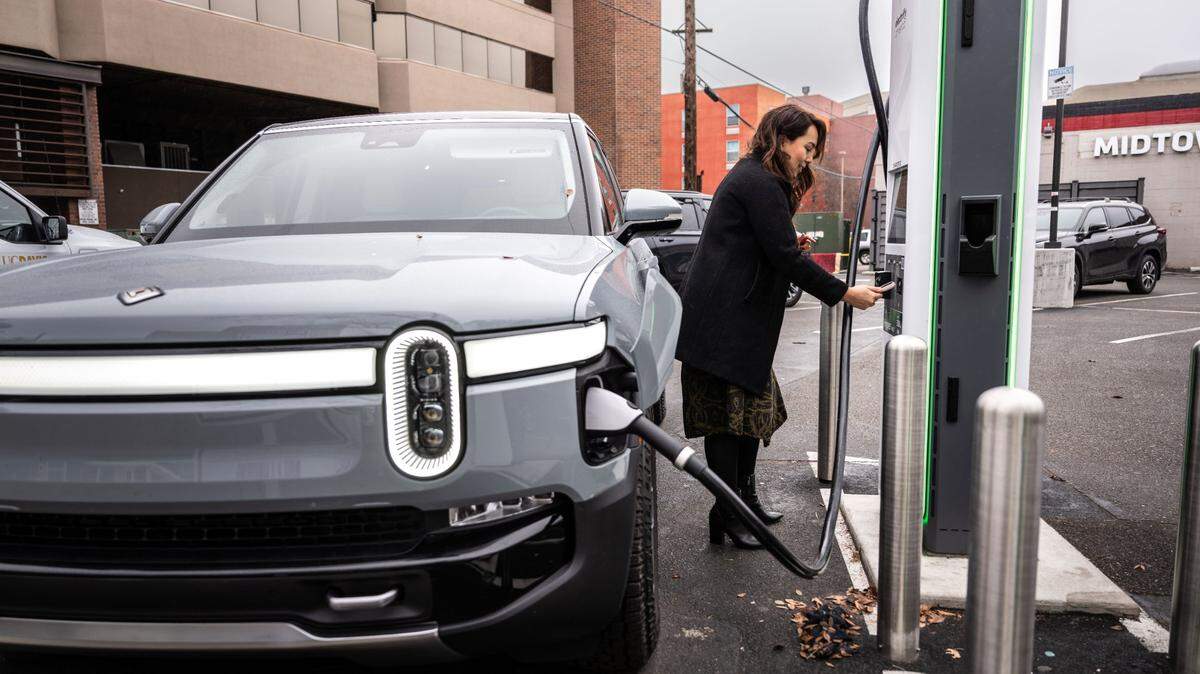
The California Air Resources Board’s Low Carbon Fuel Standard program plays a central role in decarbonizing the transportation sector and deploying more electric vehicle charging infrastructure.
That’s why members of the California Electric Transportation Coalition — including the Los Angeles Department of Water and Power, PG&E, Pasadena Water and Power, Sacramento Municipal Utility District, San Diego Gas and Electric and Southern California Edison — strongly support strengthening the program as outlined in the California Air Resources Board’s 2024 Proposed Low Carbon Fuel Standard Amendments.
Over the past 15 years, the Low Carbon Fuel Standard program has enabled transit agencies to replace hundreds of air-polluting diesel buses with clean electric buses, and spurred billions of dollars of investments in zero-emission vehicles and charging infrastructure.
However, the Low Carbon Fuel Standard program is at a crossroads: Without adoption of the proposed amendments, it will not be feasible for businesses to install needed charging stations for electric cars and trucks.
The Low Carbon Fuel Standard program is not funded by the California state budget or the state’s utility customers. Under the program, California’s electric utilities receive credits for reducing their emissions. Proceeds from those credits are then invested in programs that help customers adopt zero-emission vehicles at a lower cost.
Low Carbon Fuel Standard-funded programs have provided rebates to more than 700,000 customers for new and pre-owned vehicles, including higher incentives for low-income customers; residential charger incentives and programs that install and pay for chargers in low-income communities and multi-family residences; and grants to nonprofits to promote electric vehicle adoption.
Without this funding, these programs are threatened, and low- and middle-income customers would be left behind.
If the California Air Resources Board’s proposed changes to the Low Carbon Fuel Standard program are adopted and implemented over the next two decades, utilities are expected to fund billions of dollars in new programs that will advance clean transportation and charging access.
Under the proposed amendments, electric utilities would spend almost 80% of their total credit proceeds on zero-emission vehicle and charging infrastructure programs that specifically benefit low-income communities.
Utilities would also launch a statewide rebate program to support medium- and heavy-duty electric vehicles and support other programs tailored to their service areas.
And for those concerned about the effect on electricity and gasoline prices, we have reassuring news: By helping to get more electric vehicles on the grid, the Low Carbon Fuel Standard program applies downward pressure on electricity rates because it would spread grid costs over more customers. That would benefit all electricity customers, not just electric vehicle drivers. There is also little evidence that the program contributes to higher gas prices, as other global influences play a much larger role in their volatility.
But one of the biggest benefits of the Low Carbon Fuel Standard program is that it brings down the cost of driving an electric vehicle, and switching to electric transportation helps Californians spend less on their total household energy bills overall.
Both the benefits of the program and the cost of inaction are clear, and the time to act is now. The California Air Resources Board should approve the proposed amendments to the fuel standard program.