
Agriculture is deeply rooted in Solano County’s legacy. We should keep it that way | Opinion
Agriculture is a cornerstone of Solano County’s identity. More than 90 commodities led by tomatoes, cattle, almonds, grapes and nursery products support the diverse industry that contributes over $460 million to the local economy. With multiple years of solid rain, a Mediterranean climate and a mixture of flat lands and rolling hills, agriculture is thriving like never before in the county.
Now, however, that progress is in danger.
According to the California Department of Conservation, the state loses 50,000 acres of agricultural land to development each year. Much of this is being paved over, fragmented or converted to other uses. This threat looms large in Solano County, where the proposed California Forever project would turn more than 17,500 acres of agriculture land into a cityscape. This could have a greater impact than the project’s investors would like you to believe.
Benefits from Solano County’s farming culture go beyond just economic advantages — it’s also essential for food security. By maintaining local agricultural production, the county can supply its residents with fresh, locally grown produce. This not only supports public health by providing access to nutritious food, it also reduces dependence on food that has traveled long distances. In times of economic or supply chain disruptions, local agriculture can provide a buffer against shortages and price fluctuations.
The county’s farms and other open space provide habitat for rare and endangered plants and animals, recharging and filtering water in the area’s creeks and streams and pulling dangerous carbon out of the atmosphere and sequestering it into the land. Agricultural practices that incorporate conservation techniques, such as crop rotation and sustainable irrigation, contribute to the ecosystem’s overall health.
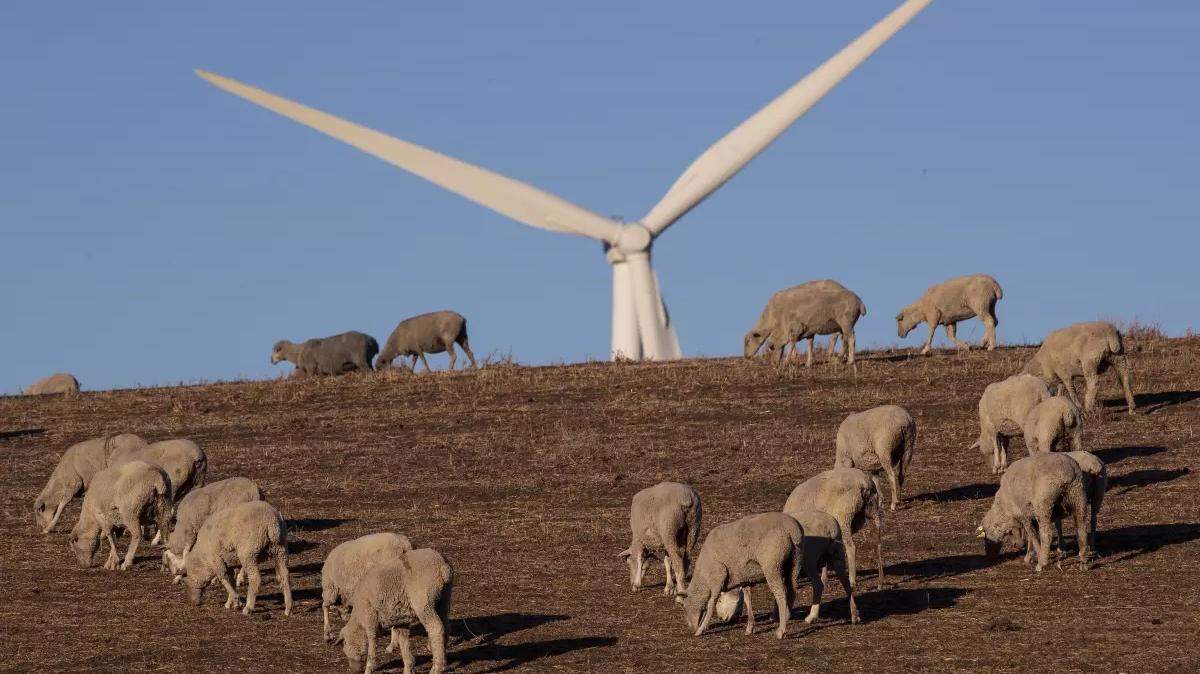
Dry farming, a popular technique in the area that doesn’t require surface water irrigation where California Forever is planned, greatly reduces the amount of water irrigation and grows fields of grain to make bread and provide feed for animals. It also supports pastures for sheep and cattle.
Understanding agriculture’s value in the county is why voters first approved an initiative in 1984 and renewed it again in 2007 to protect the county from pressure from development.
This has helped prevent what has occurred in other parts of California (including in Silicon Valley, where the roots of the investors of California Forever run deep). Silicon Valley was once known for its rich soil and orchards of fruit and nut trees. Slowly, the area began to transition as companies bought and developed fertile land. Farmers who didn’t want to sell became so few that the services they relied on began to disappear because of a declining customer base. It was the loss of these services that drove out the remaining farmers and meant the end of farming in the region.
It’s true that our state is experiencing a housing crisis, with demand outpacing supply. With smart planning, however, it is possible to meet our community’s need for quality housing while also protecting farms and rangelands, wildlife habitats, jobs and the land that sustains us. We are seeing this productive and efficient development in cities like Vallejo, Vacaville and Dixon.
We support the county’s current strategy to grow within current city limits, which is helping Solano meet state-mandated requirements and encourage cities to focus on compact development, reducing sprawl and saving irreplaceable farmland and ranchland from conversion. We can’t afford to lose what makes Solano County and California so special to us. Because once it’s gone, it’s gone forever.