
My daughter has a rare blood disorder. I combat vaccine skepticism with empathy, not shame | Opinion
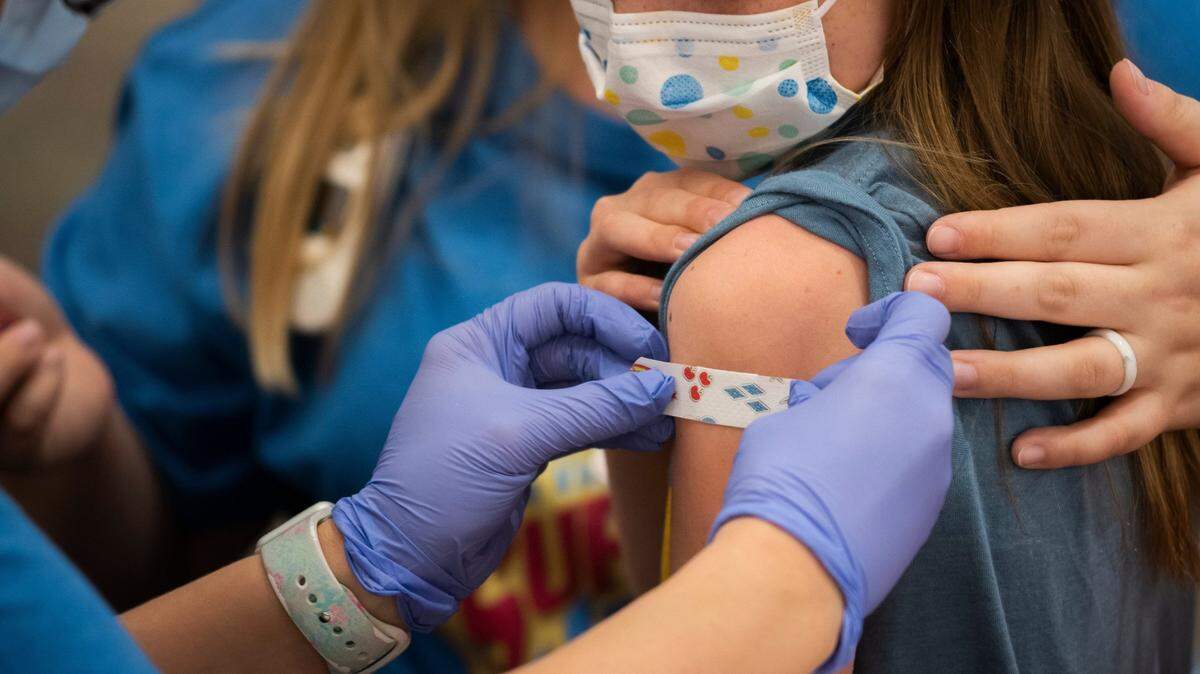
If you suddenly find that friends or family members have begun to question the safety of childhood vaccinations, you’re not alone. Americans are less likely to believe it’s important for parents to vaccinate their children. Now, with the confirmation of vocal anti-vaxxer Robert F. Kennedy Jr. to the position of U.S. Secretary of Health and Human Services, vaccine skepticism is becoming more and more normalized.
In an age of growing disinformation and anti-science rhetoric, how should we approach anti-vaxxers and vaccine skeptics? As a pediatric nurse and a new mother, I know we must encourage vaccines through empathy — not shame.
Vaccine-preventable infectious diseases have the potential to harm someone near and dear to every single one of us. Recently, my passion for sharing my knowledge around safe and effective childhood vaccinations has been refueled in the wake of movements like Make America Healthy Again.
We can all agree that a healthy America is a universal goal, but does “healthy” mean the same thing to all of us? And that is where empathy, and shared learning, can help.
Most folks are not aware that infants do not receive their first measles, mumps and rubella vaccination until they are a year old, and children are not fully immunized against these diseases until they are between the age of four to six years old. What does this mean? The important children in your life are susceptible to these preventable and devastating infectious diseases during their first several years.
If these diseases are spread, years that could have been spent making friends, playing outside and learning could be dangerously impacted.
Recently, however, when I reviewed the well-established recommended childhood vaccination schedule on the website of the Centers for Disease Control and Prevention, I was surprised and dismayed to read an online banner announcing that the “CDC’s website is being modified to comply with President Trump’s Executive (Orders).” And, for this reason, I was unable to access the information I needed.
This was especially disturbing to me because, before welcoming our beautiful daughter last May, my primary responsibility was to educate families about the importance of immunizations in order to protect their own child’s health and the community at large. Now, with the gift of being a mom, my role has shifted: Our daughter was diagnosed with a rare blood disorder, Hereditary Spherocytosis, which has the potential to cause her acute episodes of severe anemia if she contracts certain infectious diseases, some of which are vaccine-preventable.
What this could mean for my daughter is hospital admissions for blood transfusions and disruptions to her ability to make friends, play and learn. My role in ensuring that our community’s children remain safe from preventable infectious diseases has expanded ten-fold as I fiercely advocate for my own child’s safety.
I would bet that most of the children in your life do not have a rare blood disorder and that you’ve likely never met a child who has contracted measles, mumps or rubella — at least in recent years. We can all thank public health and scientific advancements for this.
My guess is that you’ve never paid much attention to infectious diseases such as measles. But that could all change if we allow folks with a little credibility in the “health and wellness community” to undermine lifesaving, well-studied, safe and effective science. In the wake of RFK Jr.’s confirmation, it is imperative that the science community continue advocating for access to and endorsements of life-saving childhood vaccinations.
So why should you care? The answer is empathy. When we empathize with others, we promote decisions that are greater than ourselves.
By vaccinating our children based on scientific recommendations, we can protect the health of community members like my daughter. This simple act of care is the difference between whether or not measles reappears in our communities. We must not be swayed by loud movements with catchy slogans backed by divisive rhetoric. Instead, we must continue to follow well-proven science that has protected millions of children.
We cannot begin to fear well-studied, effective, safe childhood vaccines from someone like RFK Jr. who utilizes his celebrity to undermine life-saving science. I promise to stand by scientists and champion safe, effective childhood immunizations for my daughter and my patients. Most importantly, I promise to use empathy when making decisions for my child that could impact someone else’s. I ask you to be open to the same.