
When disaster strikes, these second responders help communities resume their lives | Opinion
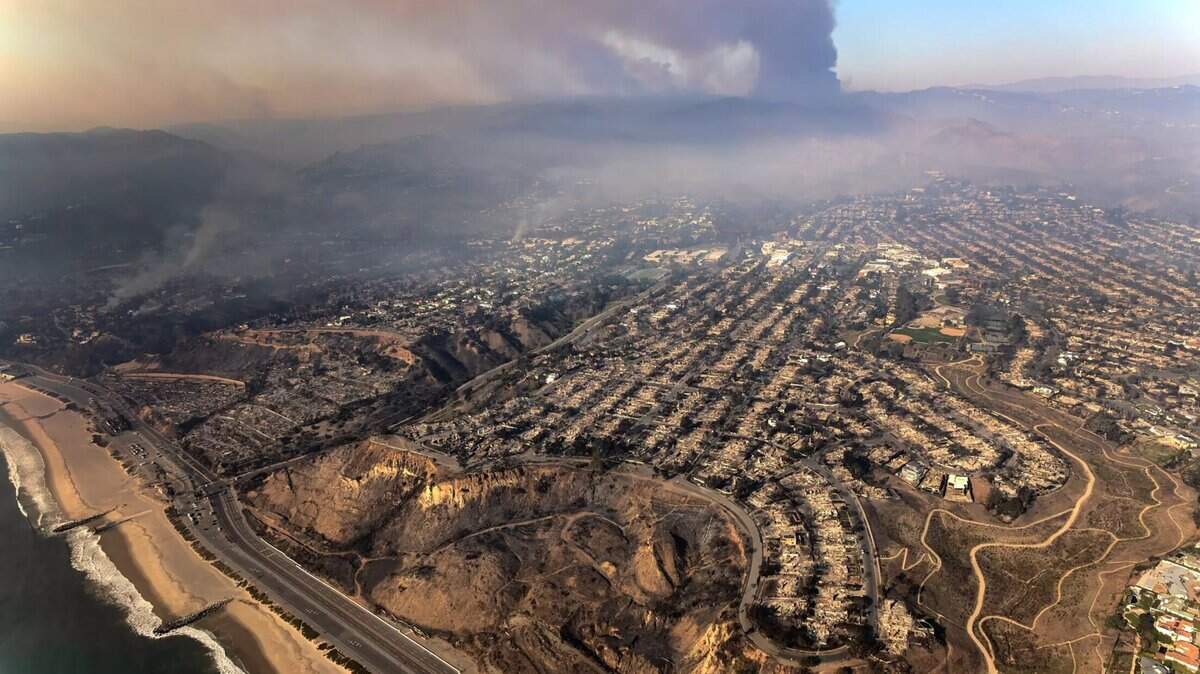
Disasters don’t end when the smoke clears. The heroic efforts of firefighters, emergency medical technicians and other first responders preserve life and limb, but it often takes a wave of second responders composed of legal aid providers to help survivors navigate the complex and overwhelming legal issues that follow in a disaster’s wake.
These second responders work for non-profit organizations that offer free legal services to individuals unable to afford a private attorney.
These non-profit organizations assist low-income individuals with essential civil legal matters that impact safety, basic needs and family stability. Most of their work focuses on family law, including domestic violence, child support and custody, and on housing matters, including evictions and foreclosures.
Despite the clear and urgent need for legal assistance after disasters, federal funding for legal aid remains inconsistent. The Legal Services Corporation’s Disaster Program, which has historically provided crucial support to legal aid providers in disaster recovery, has not been funded since 2022.
This gap means that many wildfire survivors in California — and victims of other disasters nationwide — may not get the legal help they desperately need.
Legal problems can emerge swiftly after disasters such as wildfires, hurricanes and flooding. And while the most recent wildfires impacted Southern Californians, residents elsewhere in the state have dealt with other natural disasters and have needed to access legal aid services to help them recover and rebuild.
Survivors may need help replacing vital documents such as birth certificates, Social Security cards and property deeds lost in fires or floods. Renters may face unlawful evictions or have to deal with landlords who refuse to provide safe and habitable housing. Homeowners dealing with damage may struggle making claims with insurance companies, while families with disabled members may need legal assistance securing aid from the Federal Emergency Management Agency (FEMA) to make their homes accessible again. Parents forced to relocate may require legal help transferring a child’s Individualized Education Plan to a new school district.
Unfortunately, predatory practices frequently follow in the wake of disasters: Some contractors may engage in fraud, performing shoddy repairs — or no repairs at all — while still demanding payment; price gouging can become rampant as desperate survivors search for housing, and reports have already surfaced of some Los Angeles landlords hiking rents unfairly.
Legal aid providers help disaster victims fight back against these injustices.
Disaster-related legal issues can persist for years. Property title disputes, probate complications, foreclosure threats and bankruptcy are common long-term consequences of a disaster. Without legal intervention, these issues can prevent families from rebuilding their homes and their lives.
Survivors also face heightened risks of intimate partner violence and child abuse, as stress and instability rise in disaster-stricken communities. Legal aid attorneys provide essential services, from securing restraining orders to helping survivors navigate the family court system, ensuring that vulnerable individuals remain protected in times of crisis.
Legal aid organizations in California are already mobilizing. They are training disaster responders to identify legal issues early, ensuring that survivors receive assistance when it matters most. Many legal aid attorneys themselves live in evacuation zones, balancing their own personal losses while tirelessly serving their communities.
Since Jan. 1, 2023, nearly five million households have registered with FEMA as disaster survivors. Among them, a disproportionate number are low-income families who qualify for free legal aid. Without proper funding, these survivors are left to navigate bureaucratic red tape, insurance disputes and housing instability on their own.
Supporting legal aid is not just about legal representation; it’s about ensuring that the most vulnerable members of our communities have the resources to rebuild their lives and restore their dignity. Disaster recovery doesn’t end with emergency relief, it requires a long-term commitment to justice.
Survivors of disasters need a fair playing field in order to get back on their feet. We must ensure that legal aid remains a funded and integral part of disaster response.