
A Tahoe water company saw its insurance rates raise by 200% despite never filing a claim | Opinion
The cataclysmic fires that devastated Southern California have once again brought the instability of the California insurance market to the forefront.
Insurance costs are forecast to increase as insurance companies and regulators continue to weigh the risks of wildfires and other natural disasters.
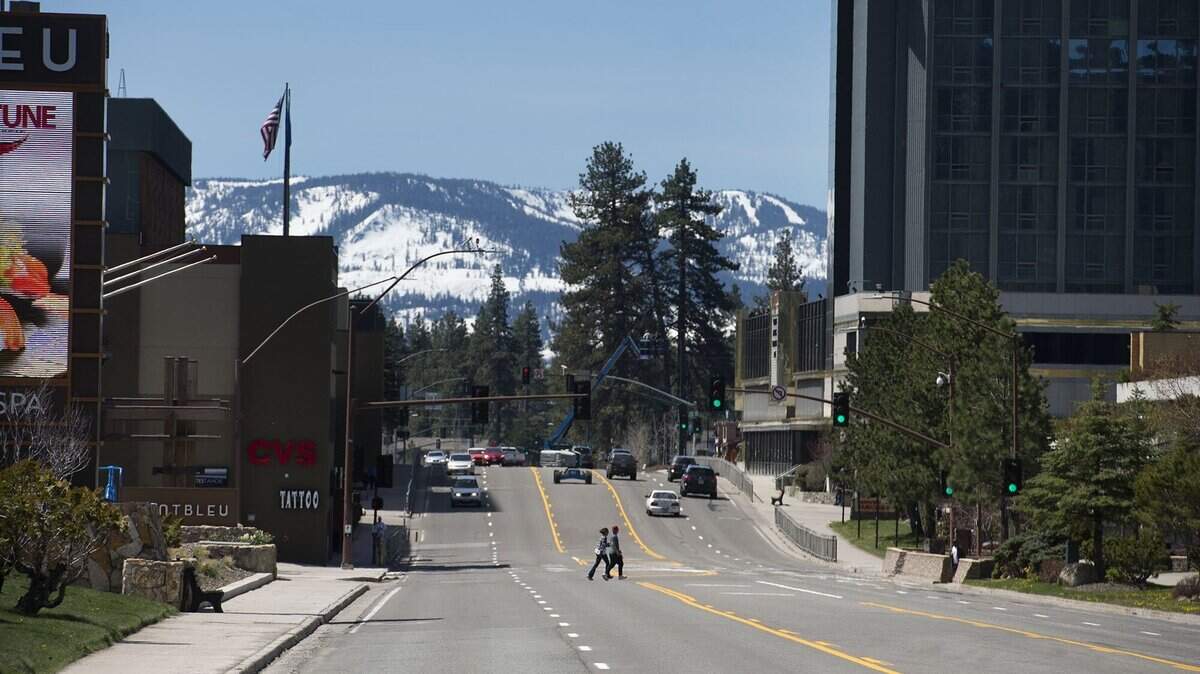
Fire is why premiums have been skyrocketing for the Lukins Brothers Water Company, a South Tahoe water utility that my family has run for the past century. Our utility is located in the Lake Tahoe Basin, where we supply water to over 3,000 customers who live in some of the most rugged terrain in the Sierras. We work closely with community partners, including the U.S. Forest Service, California Department of Forestry and Fire Protection, City of South Lake Tahoe Fire Department, Lake Valley Fire and neighboring water utilities on the health and safety of our infrastructure.
We have never filed an insurance claim. Despite this, our insurance rates skyrocketed after the Caldor Fire, increasing from $56,000 in 2021 to $299,000 in 2023 — a more than 200% increase. In 2021, insurance accounted for approximately 6% of our expenses; by 2023, that figure had risen to 20%. This translates to an increase of an additional $21 per month per customer for catastrophic property insurance.
Droughts, wildfires and floods are often discussed as climate-change related long-term challenges, but their growing impact on insurance premiums is a growing factor that directly affects consumers. As extreme weather events become more frequent and severe, insurers are demanding higher premiums from water utilities like ours, forcing us to find ways to balance these added costs.
In Los Angeles, with more than 20,000 structures destroyed by recent wildfires at a cost as high as $131 billion based on one estimate, insurance rates will likely reach a breaking point.
State Insurance Commissioner Ricardo Lara has made good attempts to improve the marketplace, such as strengthening the last-resort FAIR Plan and seeking commitments from reinsurance carriers who can help to insure insurance providers. However, the sheer enormity of the losses and costs of mitigating risks in California’s vulnerable geographies continue to push major insurance firms out of the state.
Still, even as climate events become more frequent and severe, there are worthy efforts to manage the impact on insurance costs. One example is Assembly Bill 428, authored by Assemblymember Blanca Rubio, D-West Covina. The bill offers an important opportunity to reduce costs and improve coverage by allowing Investor-owned utilities like ours to become members of joint powers authorities (collaborations between essential utility services to pool resources for insurance), enabling them to share the risks and costs of self-insured claims or losses.
This legislation creates the potential for significant savings which reduces the cost of delivering reliable water service. Joint powers authorities can offer lower premiums and more extensive coverage compared to traditional private insurance options. This makes insurance more affordable and ensures that vital services remain protected without the burden of excessive costs for utilities or customers.
There are no easy answers. As lawmakers continue to address recovery efforts, insurance relief for all of us — from the first-time home-buyer struggling under historically high interest rates to water users across California — should be high on the priority list. Our state needs to take steps to address this hidden driver of costs, ensuring that affordability remains within reach for all Californians.
This story was originally published March 13, 2025 at 6:00 AM.