
Federal legislation for bigger semi-trucks puts Sacramento motorists at risk | Opinion
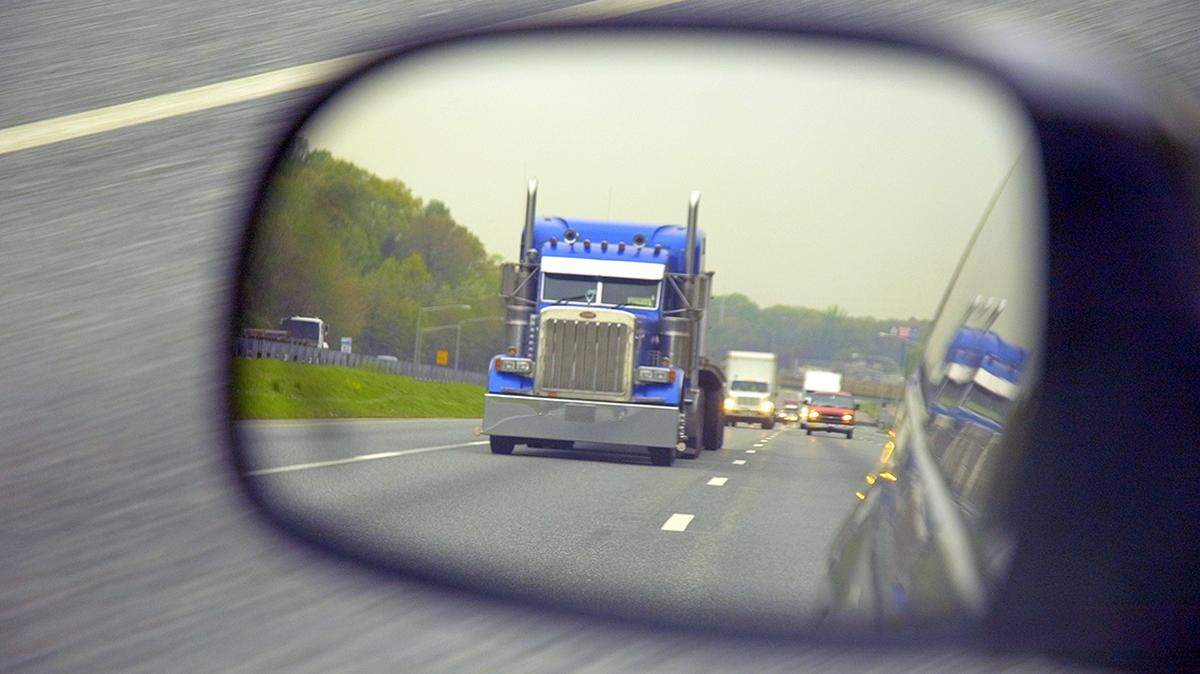
Rare is the area motorist who has traveled Interstate 5 or I-80 alongside big tractor trailers and thought the idea of sharing the road with even bigger trucks was a good idea. For the vast majority of drivers, trucks are big enough and already pose a significant challenge and danger.
But if some members of Congress get their way, driving on highways and local roads will get a lot more treacherous and costly for taxpayers.
Lawmakers are again debating increasing the maximum weight of trucks beyond the current 80,000-pound limit. Along with this, special interest groups, such as big shipping companies, are pushing for longer trucks and greater latitude to operate them on more roads.
In the last Congress, two bills passed out of the Committee on Transportation and Infrastructure that would have dramatically increased weights for commercial semi-trucks, including House Resolution 3372, sponsored by Rep. Dusty Johnson, R-South Dakota, and House Resolution 2948 by Rep. Lance Gooden, R-Texas. The same committee is charged with marking up a reauthorization of the highway bill, with advocates for bigger trucks sure to make a play at including increased truck size and weight in the bill language.
The amount of damage these trucks would do to our streets and the serious threat they would pose to public safety would be significant.
In West Sacramento, we see trucks constantly. They are a part of daily life, and not just on the freeways, but on our local roads as well.
Home delivery puts more trucks on our roads every year. With that comes more daily wear and tear on our roads. Damage from current trucks is already plain to see. Any additional weight on these trucks will create more costs for California taxpayers. City budgets are already stretched thin to cover the current levels of repair to our streets. If Congress approves an increase in truck size and weight, the cost would be enormous.
The condition of our roads is already a major problem without an increase in truck weight. With a total of 45% of California’s major roads rated in poor or mediocre condition by the Federal Highway Administration, driving on deteriorated roads costs California motorists $22.9 billion a year — $830 per driver. The costs simply cannot be an added burden to the people of California. Traffic crashes in California imposed a total of $41.1 billion in economic costs in 2023.
Pollution would also increase. Studies have shown that allowing bigger trucks would lead to even more trucks on our roads.
But public safety is also a top concern: In 2016, the U.S. Department of Transportation found that heavier trucks weighing 91,000 pounds had a 47% higher crash rate when they examined their current operation in Washington State.
Heavier trucks will put the driver, nearby motorists and first responders in danger. Trucks must already travel and make deliveries in high traffic areas. We all see the crashes that happen. There were 13,612 large-truck crashes in California in 2022, according to the Federal Motor Carrier Safety Association. From that, 436 people lost their lives, according to the National Highway Transportation Safety Administration.
Law enforcement organizations like the California Association of Highway Patrolmen, who see tragic incidents on our freeways every week, have consistently opposed legislation to increase truck weight limits.
For most of us, the issue is basic common sense. Bigger trucks barreling down our roads put drivers at risk and greatly impact taxpayers. We want to build communities that people feel safe in. We must demand that Congress oppose bigger trucks.