
Sacramento road safety advocates push for Ashby’s red-light camera bill | Opinion
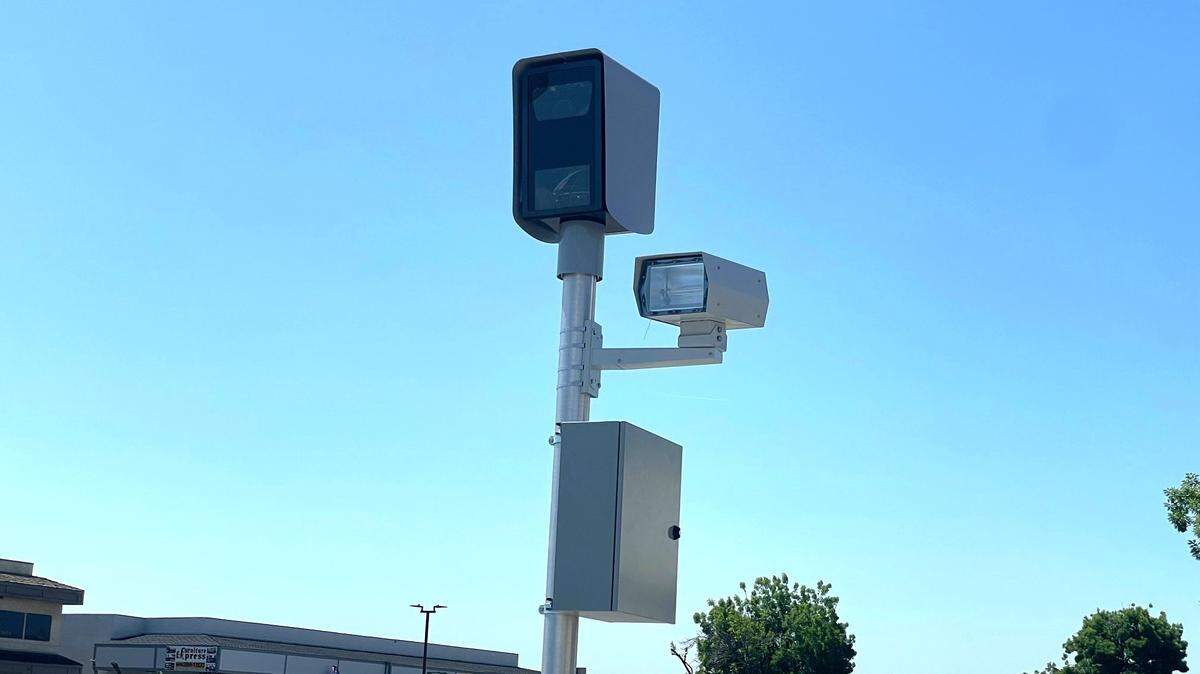
Someone’s life can change forever at any moment at a red light: A child loses a parent. A teenager never makes it home from school. A grandmother’s morning walk becomes her last.
The toll is staggering: In 2019, California led the nation with nearly 130 fatal crashes caused by drivers running red lights, according to the National Coalition for Safer Roads. These aren’t just statistics, they’re preventable tragedies that demand immediate action to fix our outdated traffic safety systems.
As executive director of the Sacramento Area Bicycle Advocates, I see the daily consequences of traffic safety failures. Last fall, Sacramento faced such a huge crisis in pedestrian safety that city officials considered declaring a state of emergency.
This sobering reality demands action, which is why we’re partnering with Senator Angelique Ashby, D-Sacramento, on legislation to modernize California’s automated red-light safety camera program. The culmination of that effort, Senate Bill 720, would authorize cities and counties to establish alternative automated traffic enforcement systems (red-light cameras) to detect specific red light violations.
Since 1995, California has used red-light cameras to protect our communities. Evidence shows they work: Studies by the Insurance Institute for Highway Safety demonstrate that cities with these programs see a 21% reduction in fatal red-light running crashes. However, while the technology has evolved significantly over the past three decades, California’s framework for implementing these life-saving tools remains stuck in the past.
Our current system imposes some of the nation’s highest penalties — more than $490 per violation — and requires facial images that raise legitimate privacy concerns. These outdated requirements have made the program unsustainable in many communities, including parts of Sacramento, where the Sheriff’s Office had to discontinue the program despite its proven safety benefits.
Those who oppose the bill are concerned that the fine isn’t enough to curb poor behavior and that the program will cost more to operate than the revenue generated from it. But the reform bill Ashby is introducing brings California’s red-light camera program into the modern era. Drawing from successful models across the country and aligning with our state’s recently enacted automated speed safety program, this legislation will make several crucial improvements:
- We’re addressing affordability by significantly reducing penalties while maintaining deterrence;
- We’re enhancing privacy protections by eliminating facial imaging requirements;
- We’re giving local communities the flexibility to implement programs that best serve their specific needs;
- And, most importantly, we’re transforming violations from criminal to civil penalties. This means that while violators will still face consequences, they won’t receive points on their license that could affect their ability to work and support their families. This approach balances accountability with fairness.
This isn’t just about updating old laws, it’s about saving lives. Every community deserves access to proven safety tools that protect pedestrians, cyclists, and drivers alike. By modernizing our approach, we can make these programs sustainable and more effective at preventing tragedies on our roads.
As advocates for safe streets for all road users, our priority has always been implementing practical solutions that serve our community’s needs. This reform represents a thoughtful, balanced approach to traffic safety that protects both our citizens’ safety and their rights.
This story was originally published May 22, 2025 at 5:00 AM.