
More affordable housing will help Sacramento’s mental health and homelessness crisis | Opinion
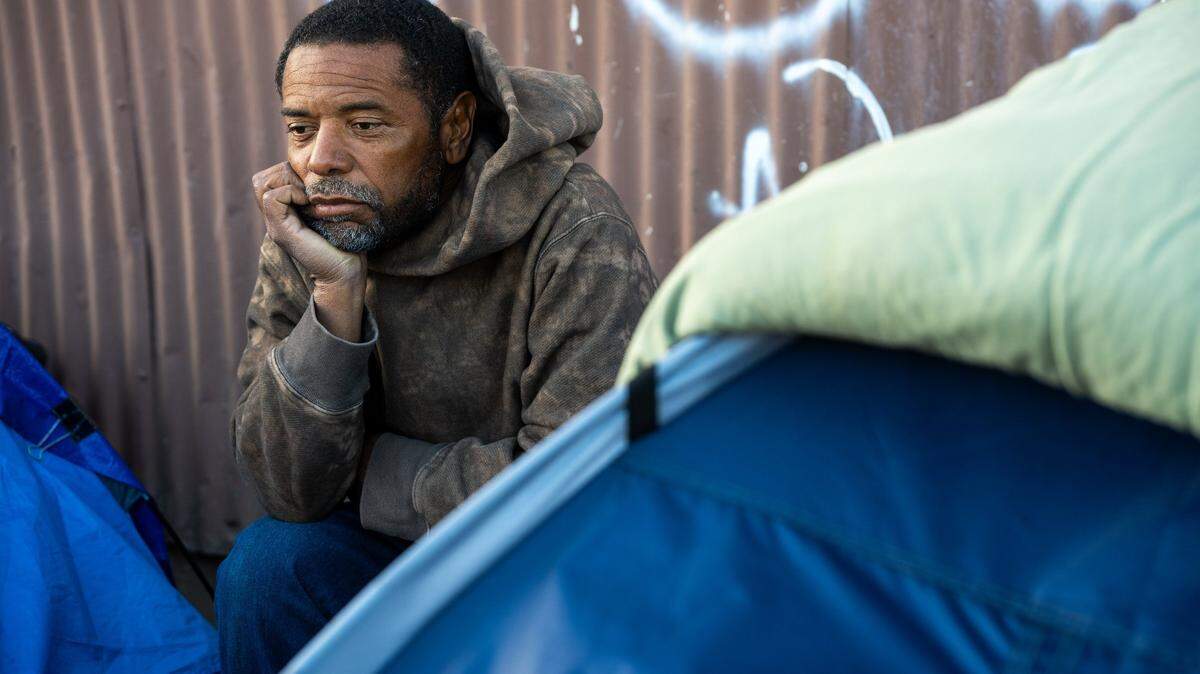
May is Mental Health Awareness Month, a time dedicated to breaking the silence and stigma surrounding mental health issues. It’s an opportunity to foster understanding, provide support and inspire individuals to prioritize their mental well-being.
Mental health is not merely the absence of mental illness, it is a state of overall well-being where individuals can cope with stress, work productively and contribute to their communities.
Over the last two decades since California’s Mental Health Services Act was passed, we have seen a rapid evolution in the general understanding of mental health. The act, passed by voters in 2004, has expanded California’s behavioral health system to help individuals with serious mental health issues. It has also helped dismantle the stigma that can prevent individuals from seeking help, leading to prolonged suffering.
Unfortunately, we can’t declare victory over mental health related stigma just yet. These days, stigma can be seen taking on a new look: This can occur when housing status and behavioral health challenges are conflated as if they are the same thing.
If I lost my house, I guarantee that I would experience mental health challenges. Safety during sleep is a massive challenge for the populations I serve as Sacramento County’s behavioral health director, particularly for women who may be targets of sexual and physical assault. Our teams serving individuals who are unhoused hear repeatedly from clients that the use of substances, such as methamphetamines, can actually be an intentional self-protective strategy to remain alert at night.
Sacramento County launched CARE Court in 2024, along with all 58 California counties, which is “aimed at helping the thousands of Californians who are suffering from untreated mental health and substance use disorders leading to homelessness, incarceration or worse.”
Recently, I had the privilege of observing proceedings of a CARE Court case. The judge asked our client if he had experience with psychotropic medications, which helps address the psychosis he experiences. The unhoused gentleman explained that when he takes medications, they make him feel drowsy and less alert. He described an experience where taking his medications had made him sleep so deeply that he woke up to being physically attacked and significantly injured. He had very valid concerns about his safety due to the side-effects of his medications.
Ultimately, Sacramento County was able to place him in a Safe Stay community funded by Behavioral Health Bridge Housing, a one-time state investment to house individuals with behavioral health conditions.
What this story illustrates is that treatment alone is often not the answer, and it is much less effective when it is not coupled with appropriate affordable housing. Reducing stigma involves understanding how the root systemic drivers of homelessness, such as economic instability and a lack of affordable housing, can disproportionately impact already vulnerable populations such as those with mental and physical health disabilities and substance use disorders.
There is simply not enough affordable housing in Sacramento to address the growing needs of our communities. The Sacramento rental market is facing high demand and low vacancy rates. On average, housing in the region is 42% more expensive than the national average.
By informing communities about the realities of homelessness and debunking common myths, we can foster empathy and understanding. Our homelessness crisis is a direct result of systemic failures to ensure enough affordable housing, not the personal shortcomings of those who are least likely to be able to compete for scarce housing.
At the individual level, engaging with and supporting local organizations that aid the homeless can make a significant impact. Volunteering, donating or simply conversing with homeless individuals can help bridge the gap between “us” and “them.”
This year, for Mental Health Awareness Month, let’s take the opportunity to continue to break the silence. Let’s discuss the complexities of solutions needed to address the Behavioral Health of our communities. Complex problems need complex solutions addressing their root causes.