
Recent ICE raids expose just how vulnerable our location data is | Opinion
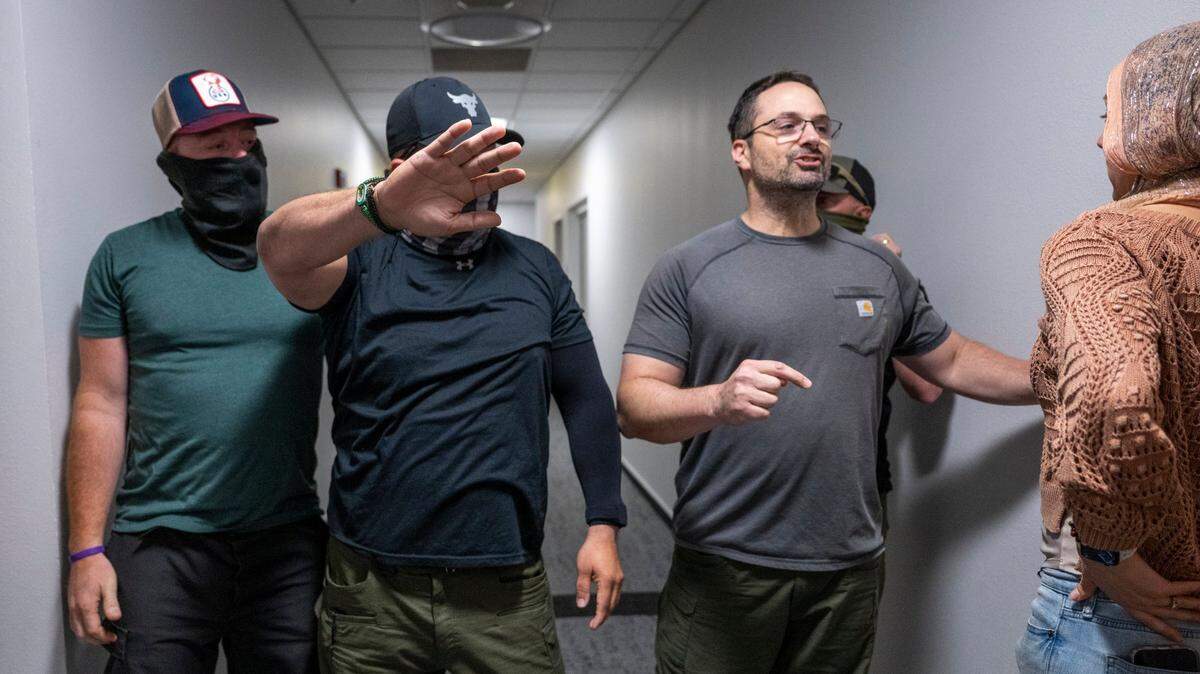
The frightening images of recent Immigration and Customs Enforcement (ICE) raids have sown fear and uncertainty throughout California. As horrifying as these military-type operations are, what’s just as chilling is how it’s happening: the quiet, invisible role of location data in making these raids possible.
Through commercial data brokers and partnerships with local law enforcement, ICE has amassed a vast and powerful collection of data that allows them to track individuals’ movements with unnerving precision. This might sound like science fiction, but it’s our present reality. Location surveillance is omnipresent — whether through automated license plate readers, mobile device tracking or facial recognition in public spaces. The same data we generate by simply carrying a phone or driving down the street can now be weaponized against any one of us.
The evidence is right in front of us: In 2019, the American Civil Liberties Union revealed that ICE had been using driver location data from local police to facilitate deportations. More recently, reporting shows how ICE and the Department of Homeland Security are expanding these tools through deals with the Internal Revenue Service and private data brokers.
And let’s be blunt: this data isn’t collected with meaningful consent. With very few data points, a person’s identity and daily patterns are laid bare.
This dystopian misuse of location data should shock every Californian, especially in a state that leads on privacy. But sadly, it’s not new. Around the world, authoritarian regimes have employed similar tactics. During the 2019 Hong Kong protests, the Chinese government used biometric and location data to track down and detain demonstrators. What’s unfolding in our own backyard is not far off.
In this context, California’s leaders must step up immediately and do something to defend the privacy of our location data. Just last month, however, Assembly Bill 1355, known as the California Location Privacy Act, was quietly shelved in the Assembly Appropriations Committee. As strong supporters of the bill, we were bitterly disappointed at the result, especially when this proposal would have placed common-sense restrictions on the collection, retention and sale of location data, ensuring this highly sensitive information is only used when truly necessary to provide a service that a person has requested.
This bill was straightforward: It acknowledged that Californians are constantly tracked through their devices, and that opting out is not a realistic option. Even people who minimize personal device use can’t avoid surveillance technologies embedded in everyday spaces. AB 1355 sought to stop companies from collecting more location data than they need, prohibited the selling of this data to third parties like the federal government and ensured it wasn’t misused to infer deeply personal information.
Business groups like the California Chamber of Commerce said AB 1355 would create confusion because location data is already governed by the California Privacy Protection Agency. But the agency is not strong enough to adequately protect a person’s location data. Furthermore, AB 1355 borrows consistent terms from the California Privacy Protection Agency so that the two statutes can work in harmony. Business groups are also opposed to the penalties and the private right of action, but we need strong enforcement to ensure that these protections are meaningful.
Law enforcement groups, such as the California State Sheriffs’ Association and the Peace Officers Research Association of California, opposed AB 1355 because they want easy access to location data (currently, location information potentially tracking people to sensitive locations is available to any paying law enforcement agency). Yet law enforcement can currently obtain this information with a court order, warrant or subpoena.
The consequences of inaction aren’t theoretical: The Federal Trade Commission has already filed multiple complaints against data brokers, revealing grotesque abuses such as targeting women seeking abortions, tracking patients entering medical clinics and selling these datasets on public marketplaces. This is a direct attack on all of our civil rights, and it puts at risk already vulnerable and marginalized communities, as well as peaceful protesters expressing their First Amendment right to free speech, assembly and petition.
Unfortunately, federal enforcement of privacy protections has stalled. The FTC is now largely sidelined under a new administration more interested in deregulation than protection. That leaves California once again as our best hope for safeguarding our privacy and other cherished rights. But if we’re going to claim that mantle, our Legislature must rise to the moment — and it must do so now. The California Legislature needs to revive the core elements of the California Location Privacy Act before the end of this legislative session.
Immigrant Californians in our communities need to know our leaders are working to protect their safety. But this is not only about ICE raids. Californians — no matter who you are — are exposed to invasive surveillance and possible exploitation every day we wait.