
Sac Supervisor: Sen. Ashby’s homelessness bill sidesteps collaboration | Opinion
Homelessness is one of the most urgent and complex challenges facing Sacramento County today. Addressing it requires transparency, collaboration and trust. Yet recent legislative maneuvering threatens to sideline local voices and disrupt the progress local leaders are working to build.
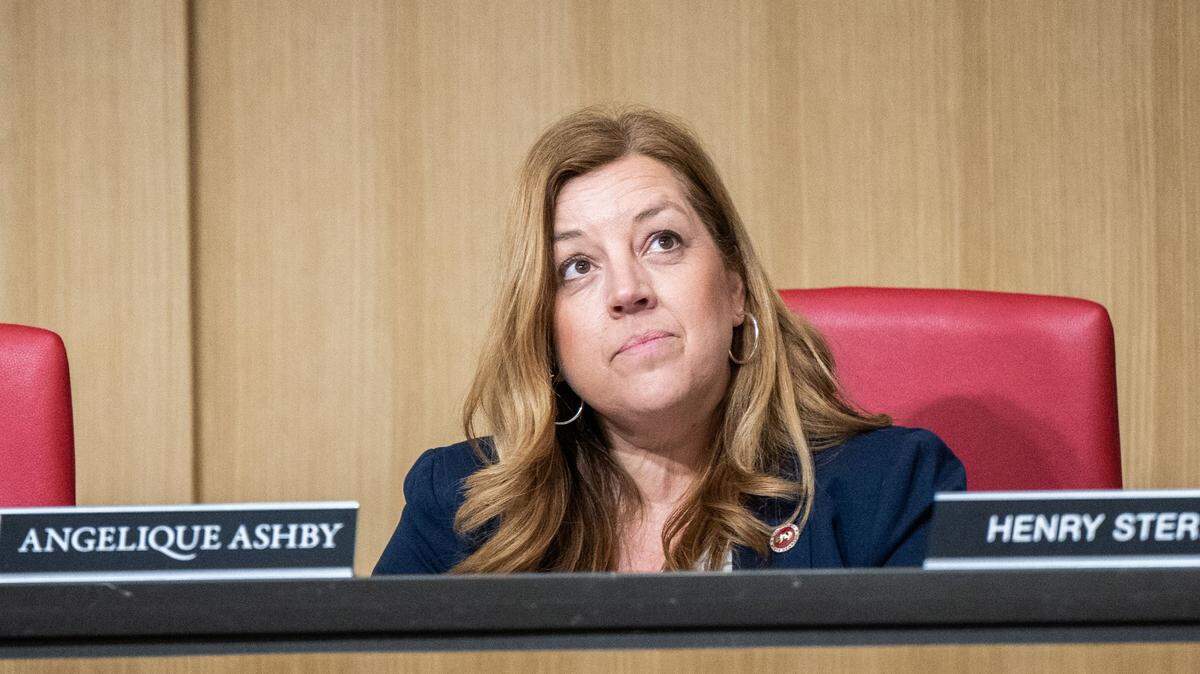
Last week, Sacramento Sen. Angelique Ashby introduced a surprise amendment to Senate Bill 802 that would fundamentally restructure how homelessness policy and funding decisions are made in Sacramento County.
“The legislation proposes a single governing board with three seats for the Sacramento City Council, three seats for Sacramento County Board of Supervisors, two seats for Elk Grove City Council and one seat each for the city councils of Folsom, Citrus Heights and Rancho Cordova,” according to The Bee.
Ashby’s amended bill proposes the creation of a new regional agency with a CEO at the helm, empowered to direct planning, services and the allocation of resources across jurisdictions. This approach would centralize authority in a single, unelected administrator, weakening the ability of cities and the county to shape solutions that reflect their unique needs.
Ashby’s amendment was advanced through a legislative tactic which allows lawmakers to replace the contents of an existing bill after key deadlines have passed. As a Sacramento County supervisor, I find the timing of this amendment — on one of the most important topics in our state — deeply concerning. We were given less than one day to review and analyze the bill before being required to take an official position ahead of its first legislative vote.
While I am no stranger to thinking quickly under pressure, being asked to support a plan that would completely upend Sacramento County’s current homelessness and housing systems in favor of a structure with questionable leadership and limited oversight was alarming.
In the spirit of advocating for collaboration, it is especially troubling that Ashby failed to consult or coordinate with the very elected officials and local jurisdictions that this bill would directly affect. That omission contradicts the very principle of partnership that is essential to solving regional challenges like homelessness.
Even more concerning, this bill is jumping ahead of a long-anticipated jurisdictional meeting scheduled in a few months. This meeting represents the first serious cross-jurisdictional effort in nearly a decade to develop actionable outcomes to reduce homelessness and address the barriers to building more housing in Sacramento. Pushing forward with state legislation while local leaders are actively working toward coordinated solutions is counterproductive and undermines the potential for real progress.
Equally problematic is that this bill lacks any coordination with the entities most directly impacted by the homelessness crisis, including public safety agencies and the non-profits working on the front lines. These are the partners most familiar with the day-to-day realities, and excluding them from the process only deepens the disconnect between policy and practice.
Additionally, there is already a high level of concern regarding the performance and oversight of the non-profits currently managing homelessness and housing programs. This bill further exacerbates doubts about the competency and accountability of these organizations, potentially putting critical public resources at risk and undermining public trust.
This experience exemplifies what is deeply flawed about our legislative process. If local leaders aren’t constantly vigilant, policies can be pushed through that undermine thoughtful, long-term solutions to complex issues like homelessness. The bill has morphed into another example of the top-down “the state knows best” approach to homelessness that has failed us for almost two decades.
I have a strong belief in the need for transparent, collaborative approaches to housing and homelessness policies. Sacramento County and every city within it needs a bold, unified strategy that we build together — not one imposed from above. We are already taking steps in that direction through an upcoming regional meeting, where local leaders will be at the table developing shared solutions. That’s the right way forward.
This story was originally published June 30, 2025 at 12:52 PM.