
Sacramento pediatrician: Period poverty is a public health crisis | Opinion
In a conversation with a young patient about her period during an exam, the 14-year-old revealed that it was often difficult to manage her period due to a lack of access to tampons and pads. She told me that she often resorted to using toilet paper or rags instead. She felt embarrassed about her period and the risk of getting blood on her clothes, so she often missed out on commitments or even stayed home from school during her period.
Talking with the young girl that day, I realized that period poverty was a huge problem that many of my patients face on a regular basis.
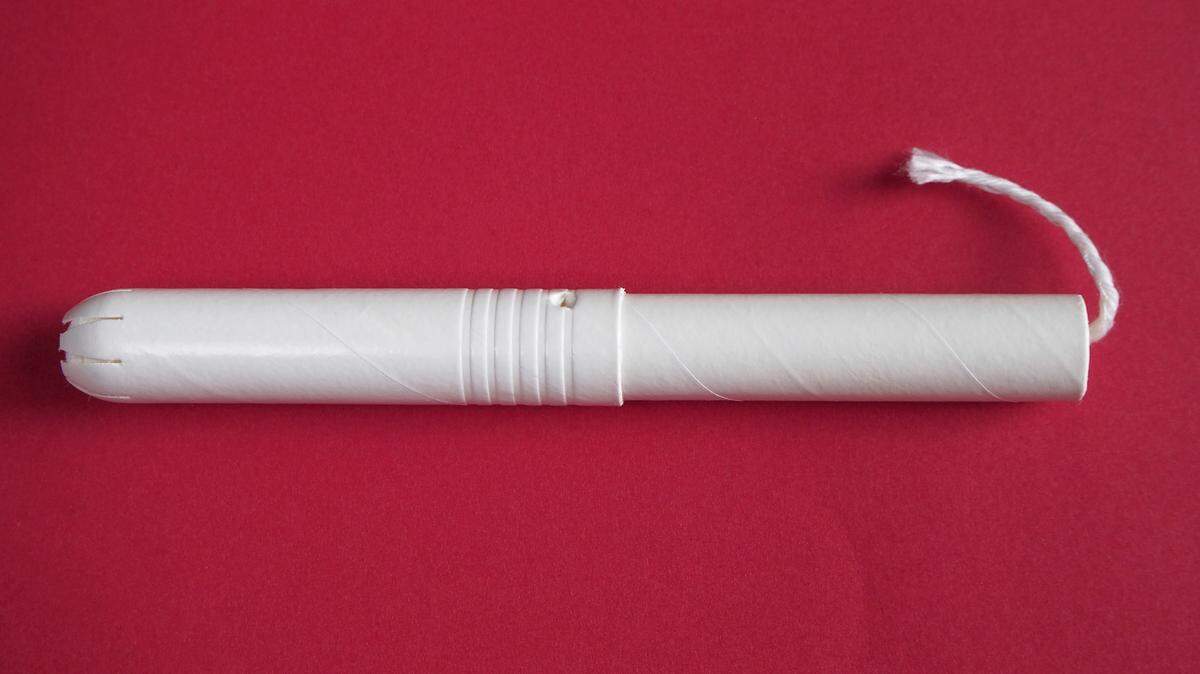
Period poverty is defined as the inability to afford or access period products, such as pads, tampons, liners, menstrual cups and other basic items required to manage a period. Among those with low income, the proportion substituting or stretching the use of period products increased from 20% in 2018 to approximately 30% in 2021. Both adults and children are impacted by period poverty, and an alarming 20% of girls in the U.S. have left school early or missed an entire day due to lack of access to period products.
Period poverty exists for a number of reasons: There are significant financial barriers to managing periods considering the high cost of menstrual products, with menstruators spending on average $9 monthly, at a cost of roughly $1,800 over the course of a lifetime in the U.S. There are 20 states in the U.S. that tax period products, increasing this cost by up to 10%. There is also a lack of government assistance for low-income people, considering that programs like the Supplemental Nutrition Assistance Program and the Special Supplemental Nutrition Program for Women, Infants and Children do not cover menstrual products.
People without access to period products often miss work or school, reinforcing cycles of poverty and economic disadvantage.
Period poverty extends beyond the price tag of menstrual products alone: Those who are experiencing housing insecurity may lack access to clean bathrooms and safe disposal methods for used menstrual products. Many prisons, shelters and schools do not provide adequate free menstrual products.
In addition, cultural taboos regarding menstruation contribute to feelings of period shame. In many communities, menstruation is an unspoken topic, making it difficult for people who menstruate to seek help. People with abnormally heavy uterine bleeding may not feel comfortable talking to their doctor about their flow, and therefore go untreated while also facing a higher need for period products.
Taboos can also lead to a lack of comprehensive menstrual health education, making it harder to advocate for needs — it can even cause menstrual health to be overlooked in policy development.
However, bills currently being considered at the state and federal level could help address these issues. At the federal level, the Menstrual Equity For All Act (House Resolution 3646) would prohibit taxing menstrual products, require Medicaid to cover menstrual products and increase access to products at schools, correctional facilities, shelters and restrooms in federal buildings.
In California, Senate Bill 498, authored by Sen. Josh Becker, D-Menlo Park, would provide low-income individuals in county detention facilities to be given basic hygiene products for free, including menstrual products.
If you or your child is experiencing period poverty, there are community programs that supply period products, including most homeless shelters and diaper banks. To find shelters in your zip code, call 211 or search the 211.org website. Many planned parenthood clinics and health departments also supply period products. Talk to your doctor about your period, especially if you are experiencing heavy menstrual bleeding or difficulty accessing period products.
By destigmatizing menstruation through conversation and education, we can encourage more people to seek assistance.