
How California can improve access to higher education for non-traditional learners | Opinion
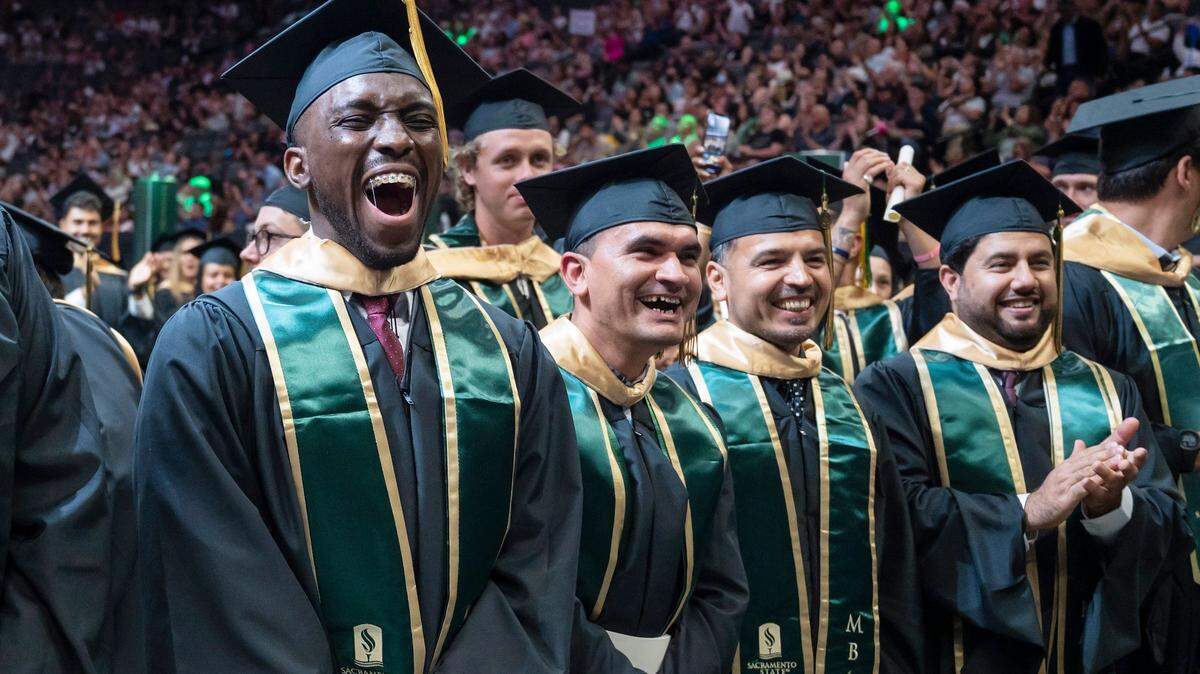
More than one in six Californians have gone to college a bit — but not enough to earn a credential.
According to the National Student Clearinghouse Research Center, California has more than 5.9 million with “some college, no credential” residents under the age of 65. The latest data from the Lumina Foundation shows that only 46% of California’s labor force possesses a post-high school credential of value and is earning at or above 15% more than the national median pay for a high school graduate.
As California’s economy surges ahead, the gap between individuals with post-secondary credentials from industry certifications to degrees and those without opens even wider, threatening to leave behind those who don’t have the skills they need to secure high-quality jobs. Closing this gap is a stated goal for our K12 system, but California can’t just focus on right-from-high-school solutions (those aged 18-22).
The state’s post-secondary system needs to ensure that we serve adult, working, military and other non-traditional learners, too.
Many colleges and universities across California are primarily designed to educate young adults able to devote all of their time to their studies with only minimal distractions. Yet today’s college students are coming to college at different ages and at different life stages than they used to. A quarter of full-time undergraduates work at least 20 hours per week, while nearly 20% of undergraduates are parents of dependent children.
Adult learners — who make up about a third of the nation’s undergraduate population — are likely to be enrolled part-time so they can work and take care of their families. These “ANDers” — adult learners who are working hard to balance school and multiple other important responsibilities — face an uphill climb through today’s higher education landscape. And many of them struggle to persist: More than half of adult learners give up on college after their first year.
As the current legislative session begins to wind down, California policymakers have the opportunity to promote academic success for ANDers seeking credentials of value so they can participate fully in the state’s economy.
There are three key policy changes that can shape post-secondary education to more strongly support their lives and realities.
Cal Grant legislation
State lawmakers can back Assembly Bill 402, authored by Assemblymember Dr. Darshana Patel, which supports adult and nontraditional learners by raising the maximum Cal Grant award for students enrolled at nonprofit, independent post-secondary institutions. It also would enable students transferring to one of the state’s more than 85 independent colleges or universities from a California community college to maintain their Cal Grant eligibility as they advance into their upper division studies.
The Cal Grant program is currently supporting nearly 700,000 low- and middle-income state residents working toward a college credential, and nearly a third are adult learners. With this relatively small investment, the legislature can make a big difference in a large number of striving students’ lives.
Expand education options
The legislature can also pass Senate Bill 790, authored by Sen. Christopher Cabaldon, D-Napa, which would authorize the governor to enter California into interstate reciprocity agreements for distance education.
The bill would open up additional higher education options for Californians while removing barriers that make it easier for residents of other states — and California residents who move out of state temporarily or even permanently (think military) — to access California colleges and universities. Because California is the only state not in this national reciprocity network, institutions that specialize in helping non-traditional, working and military learners in California and across the country unlock their career trajectories have to spend significant amounts of time and money to comply with 50 different sets of higher education regulations.
Moreover, by not joining the other 49 states in this reciprocity framework, we are leaving many students who need to temporarily move to other states hard-pressed to continue on their pathway to possibility through education.
SB 790 enlarges the capacity of California-based institutions to serve diverse student populations, offer academic programs more broadly, devote resources to enhancing educational quality and student support services and become innovative market leaders in higher education.
Credits for prior learning
State lawmakers have taken a tremendous first step in approving funding for credit for prior learning in the recent state budget. Individuals acquire valuable skills and knowledge while on the job or serving their country. Awarding college credit for credit-worthy employer training or work experience can give adult learners a head start on their post-secondary education journey.
Our state economy depends on having a trained and educated workforce. By supporting these proposals, state policymakers can help more adult learners complete college, put their new credentials to work and become valued — and valuable — contributors to California’s economy.
This story was originally published July 11, 2025 at 6:00 AM.