
What the clarity of Lake Tahoe says about the precious jewel of California | Opinion
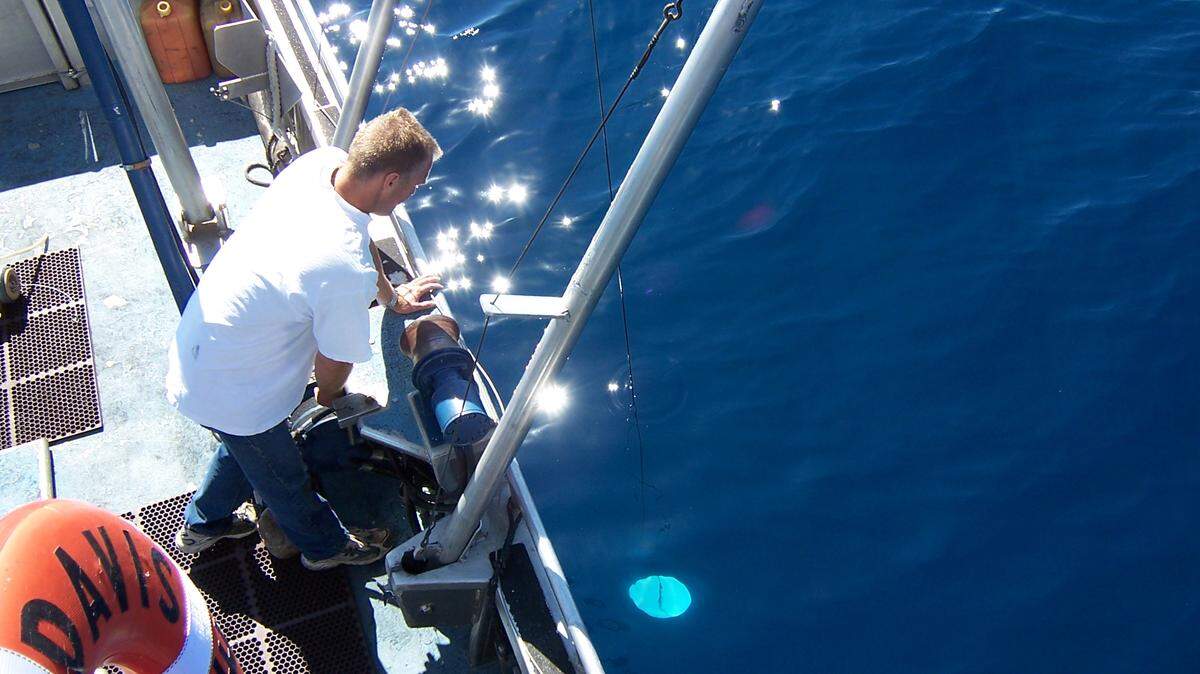
The clearness of Lake Tahoe’s deep, blue waters tells a story. The lake’s incredible clarity, which today averages 60 to 70 feet deep, is among Lake Tahoe’s most famous features. Despite having been on the ropes at times over the past 100 years, that clarity endures.
The most recent report on Lake Tahoe’s clarity from the UC Davis Tahoe Environmental Research Center shows that the visibility of the lake’s water averaged 62 feet last year. By any standard, being able to see a 10-inch white disk descend six stories into a body of water is amazing. But as the report states, clarity could be better, could be worse and must be better understood.
When scientists began dipping that disk in the lake nearly 60 years ago, clarity averaged nearly 100 feet. Decades of clarity reports tell a story of missteps, gained insights, innovation and successful conservation. As numerous agencies and private property owners work to regain that lost clarity in a time when climate change, wildfires and aquatic invasive species threaten everything we love about the Tahoe Region, we must strengthen our resolve to preserve Lake Tahoe for all to enjoy.
Tahoe is more fragile than you might think. For millions of years, the forests, meadows and wetlands of the Lake Tahoe Basin slowly filtered snowmelt and runoff from the surrounding mountains. The traditional ecological practices of the lake’s original and current stewards, the Wašišiw, or Washoe people, maintained the delicate system for another 10,000 years through.
By the 1960s, scientists provided grave insights that the lake could soon turn gray or green with algae. The states and federal government took action in 1969 by creating the Tahoe Regional Planning Agency — the first bi-state compact agency of its kind in the U.S. The agency enacted regional conservation programs and science-based policies that capped future development.
Federal and state agencies, including the California Tahoe Conservancy, further reduced development through land acquisitions. Although growth slowed, the damage was done: Lake Tahoe continued to lose clarity for nearly 30 years.
A turning point came in 1997 when federal, tribal, state and local partners renewed their efforts, launching the Lake Tahoe Environmental Improvement Program. Public and private partners have retrofitted roadways and developed properties with erosion control and stormwater infiltration infrastructure. The California Tahoe Conservancy and other Environmental Improvement Program partners have rehabilitated over 1,400 acres of damaged wetlands, improving biodiversity and regaining some of Tahoe’s natural filters.
Today, despite pressures from climate change impacts, clarity is holding steady and may be improving in winter months. Environmental Improvement Program projects are keeping over 500,000 pounds of pollutants out of the lake every year. Scientists tell us these reductions are working overall, but that summer clarity is declining. Emerging factors like extreme weather, warming temperatures, aquatic invasive species and wildfire smoke are adding further challenges to the lake’s health. More research is needed to finish the job of restoring clarity.
Still, progress is everywhere: Better storm water management, and more sustainable communities. Ninety percent of the basin is public land. Decades of work to increase public ownership of lakefront and riverside properties make it easier to dip your toes in some of the clearest water in the world. It is critical that these public lands stay protected and accessible to all.
Continuing this progress to restore lake clarity requires the commitment of everyone who loves Lake Tahoe. We must ensure agencies and scientists can continue to work together so that science drives action, as it has for decades, to protect the extraordinary natural resources of Tahoe for future generations.