
Screens threaten our kids’ well-being. The Legislature is fighting back | Opinion
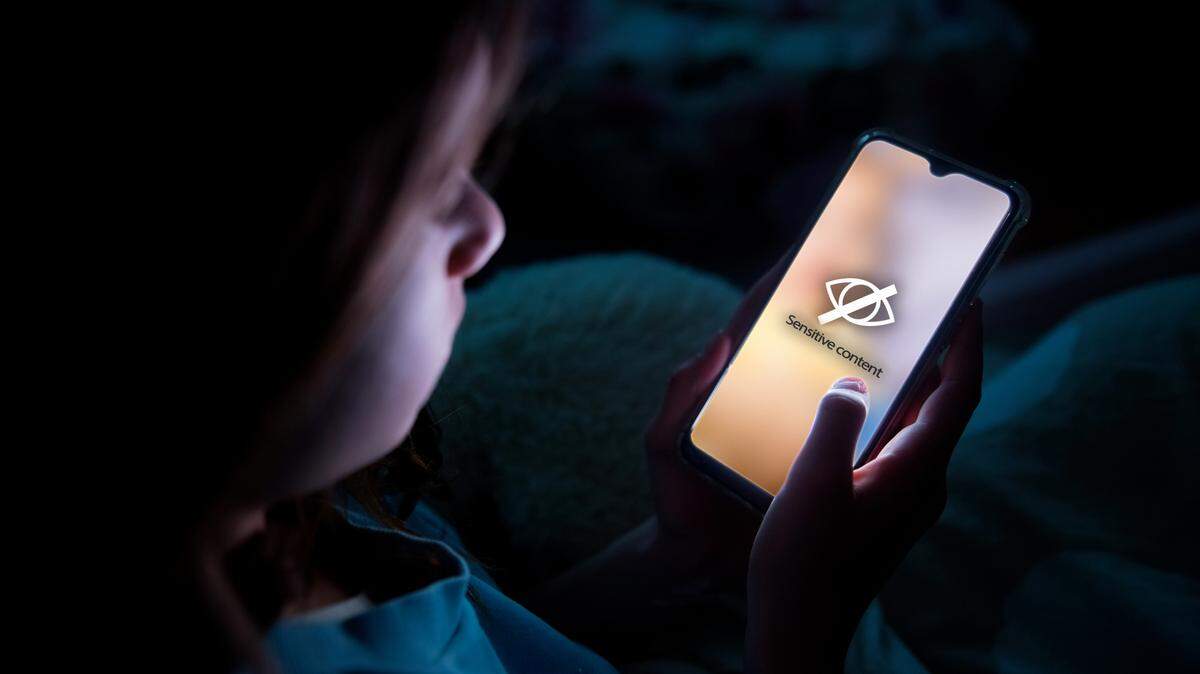
As a licensed marriage and family therapist, I’ve spent over a decade helping teens and tweens navigate all the pressures of their lives. Increasingly, one issue dominates my conversations with young people: the toxic digital world they’re growing up in.
That’s why I’m heartened to see California lawmakers step up this year with a bold online safety legislative package. As a member of Mothers Against Media Addiction, I’m proud to support these bills — and I’m going to fight to make sure they become law.
Kids, tweens and teens spend more time online than ever before, with 95% saying they use social or video apps daily, and one in seven saying they’re online “almost constantly.” They are subjected to addictive algorithms, invasive surveillance, sexualized content and AI tools that weren’t developed with their welfare in mind.
I’ve seen teens spiral into depression due to constant comparison. Young people are often served eating disorder content, and can be made increasingly anxious by “doomscrolling” (the act of mindless, excessive scrolling, especially on social media) on TikTok and Instagram. Kids see chaos and destruction from around the world in real time, which is often delivered unsolicited by social media platforms.
If you’re not raising children right now, it may be difficult to fully understand just how overwhelming this issue has become. In families across the country, technology-fueled conflicts are straining relationships, eroding trust and turning daily life into a battleground that parents feel unequipped to win.
Two bills now moving through the California Legislature would offer critical help.
Artificial intelligence is shaping the future of child safety, and it’s dangerously underregulated. Senate Bill 243, introduced by Sen. Steve Padilla, D-San Diego, would help change that by prohibiting companies from deploying AI-powered chatbots unless they have safeguards. We’ve already seen AI chatbots engage kids in sexually explicit dialogue, show them how to electrocute themselves, tell them to lie to their parents in order to have sex with adults and even encourage them to end their own lives.
This technology is not ready for our kids.
“Our children are not lab rats for tech companies to experiment on at the cost of their mental health,” Padilla said when introducing his bill.
Meanwhile, Asm. Rebecca Bauer-Kahan’s Assembly Bill 56 would require warning labels on social media platforms. These labels wouldn’t ban anything, they would simply empower families with critical information. Just as we warn people about the dangers of smoking, we should warn them about the risks of spending hours a day on platforms that are linked to depression, anxiety and self-harm.
The Surgeon General recommended warning labels last year as an important part of the public health information campaign needed to reach the masses. AB 56 would require pop-up warnings after extended use — reminders to pause, log off and re-engage with real life. It’s a simple, common-sense step that meets this moment.
Both of these bills reflect what so many parents are desperate for: meaningful support. We are tired of having to monitor every device, every app and every setting alone. These two proposals wouldn’t solve every problem overnight, but they represent real, concrete steps toward making the online world safer for kids.
In the absence of federal regulation, California must lead. This is not a time for finger-pointing, it’s an all-hands-on-deck moment. Parents, teachers, school administrators, healthcare providers and lawmakers must come together to ensure this generation of children grows up safe, supported and mentally well.
Julie Frumin is a licensed marriage and family therapist working with teenagers and young adults in Westlake Village.