
Whittier tragedy highlights need for reform when it comes to second chances | Opinion
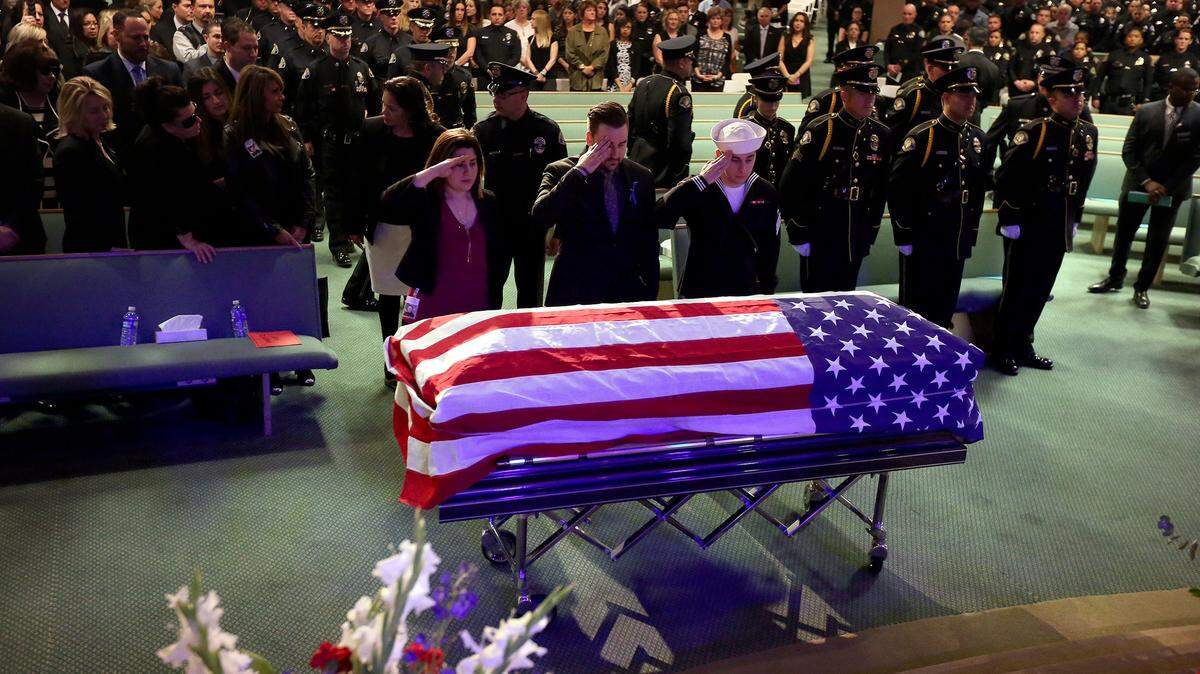
In 2017, Whittier Police Officer Keith Boyer was killed in the line of duty by an individual on post-release community supervision at the time of the crime. Our community still carries the pain of losing one of our own.
This was not an isolated tragedy — it was the consequence of preventable failures. The balancing work of rehabilitation and public safety too often leaves dangerous gaps in accountability.
That’s why we authored Senate Bill 759, a bipartisan measure meant to bring greater accountability, oversight and transparency to California’s post-release system. The bill does not seek to roll back criminal justice reform or limit second chances. Instead, it ensures second chances don’t come at the cost of lives lost.
The public deserves a system that delivers both rehabilitation and public safety. This modest policy change would have brought us closer to that balance. Despite thoughtful discussions on the bill’s merits throughout the legislative process, it ultimately died on the Assembly Appropriations suspense file for the second time last week.
But this is not the end of the conversation: We will reintroduce the bill next year, because the need for reform isn’t going away.
SB 759 focuses on common-sense reforms: Requiring consistent supervision standards statewide; mandating a formal court review when someone violates the terms of their release for the third time and commits a new felony or misdemeanor, signaling a pattern of dangerous behavior; and ensuring supervising agencies have clear tools to intervene before tragedies occur.
This is not about punishing technical violations or minor missteps. It’s about taking decisive, informed action when repeated violations, and new criminal activity, create a clear risk to the public.
Boyer’s death is a devastating example of what happens when our supervision system fails: His killer, Michael Christopher Mejia, had violated the terms of his release at least four times, including new misdemeanor convictions. Mejia showed clear signs of escalating danger, from ongoing drug use to new gang affiliations.
Under SB 759, those repeated violations would have triggered a mandatory judicial review, giving the courts an opportunity to reassess his eligibility for community supervision and potentially prevent the tragedy that claimed Boyer’s life.
“Accountability and transparency are not in conflict with second chances,” Whittier Mayor Joe Vinatieri recently said in the Senate Public Safety Committee hearing. “In fact, they are essential to keeping communities safe and successful. This bill does not take a punitive approach — it takes a practical one. It helps protect communities while maintaining the integrity of our reentry and rehabilitation goals.”
The goal of SB 759 is not to punish, it is to protect. It aligns with California’s commitment to reentry by making sure supervision is smart, informed and effective.
We owe it to Boyer and all those who serve to ensure our justice system works not just in theory, but in practice. This is too important a reform for the Legislature to set aside without taking action.
Sen. Bob Archuleta represents California’s 30th Senate District. Assemblyman Tom Lackey represents the 34th Assembly District and is a former California Highway Patrol officer.