
Why DOGE failed in its efforts to downsize the federal government | Opinion
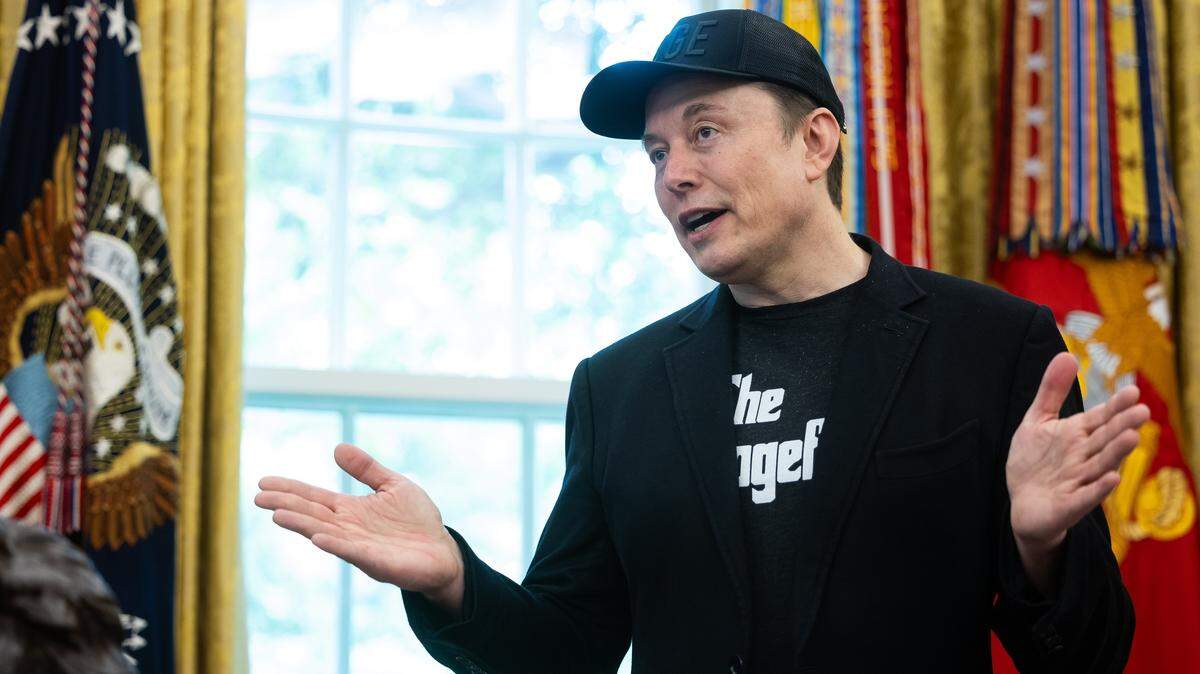
When Elon Musk announced last October that he would cut $2 trillion from the federal budget by creating the Department of Government Efficiency (DOGE), the message was unmistakably bold. Later, he and the president set a deadline this year of July 4 for what would be one of the most aggressive government downsizing efforts in history.
Months later, the effort has largely stalled. And the reason is clear: Musk (who left DOGE in May) did not account for the deep institutional power of the federal bureaucracy. What he experienced was a classic collision between Silicon Valley disruption and the entrenched administrative state that was long ago described by German sociologist Max Weber.
Weber argued that bureaucracy is not just an organizational structure; it’s the defining form of authority in modern governance. Built on hierarchy, specialization and procedural consistency, the system is designed to persist beyond elections, political polling and personnel changes. In the U.S., that structure has only grown stronger over time — backed by layers of administrative law, judicial precedent and Congressional passivism.
Unfortunately, Weber won the tug of war.
Musk approached the problem like an engineer: identify inefficiencies, strip away waste and apply models tested in private business. But bureaucracy isn’t hardware. It’s a hybrid of politics, law and culture — and it doesn’t reform on command. Weber told the world this more than 100 years ago.
Musk’s entrepreneurial instincts are rooted in the idea that risk leads to reward. It has worked for him in the past (he is the richest man in the world, after all). In the tech sector, “move fast and break things” can mean exponential growth, and failure is part of the innovation cycle.
In government, however, risk is constrained by the bureaucracy that Musk attempted to injure, and failure can trigger litigation, audits or congressional hearings.
This is why the old refrain “government should run like a business” rarely works in practice. Governments generally answer to voters — not investors. They must balance competing interests, comply with oversight and uphold constitutional norms. Businesses can eliminate departments overnight. In government, even sunsetting a small program can take years.
DOGE never grasped that dismantling bureaucracy requires bureaucratic tools. A successful downsizing campaign would have begun with internal reformers: seasoned budget analysts, general counsel with administrative law backgrounds and agency veterans who know the system from the inside out.
Instead, Musk’s team took a top-down approach, with flashy announcements and compressed timelines. Predictably, they ran into a wall of regulations, civil service protections and procedural resistance. The iceberg, it turns out, is always far bigger beneath the surface.
This failure doesn’t mean federal reform is impossible — it just means it requires realism. Serious reform starts with clear legal authority, modest objectives and long-term planning. Congressional support helps, but agency-level expertise is essential. Courts — not campaign rallies — are where deregulation often happens.
Ironically, the people best positioned to reduce the federal footprint aren’t entrepreneurs, they are the career civil servants Musk tried to displace.
Max Weber saw this all coming. Bureaucracy, he wrote, was the “iron cage” of modern life. Musk thought he could shatter it. Instead, he learned how strong it really is.
Matt Rexroad is an attorney, a former Yolo County supervisor and a political consultant.