
I have seen the cost of homelessness. Somehow, Sacramentans must do more | Opinion
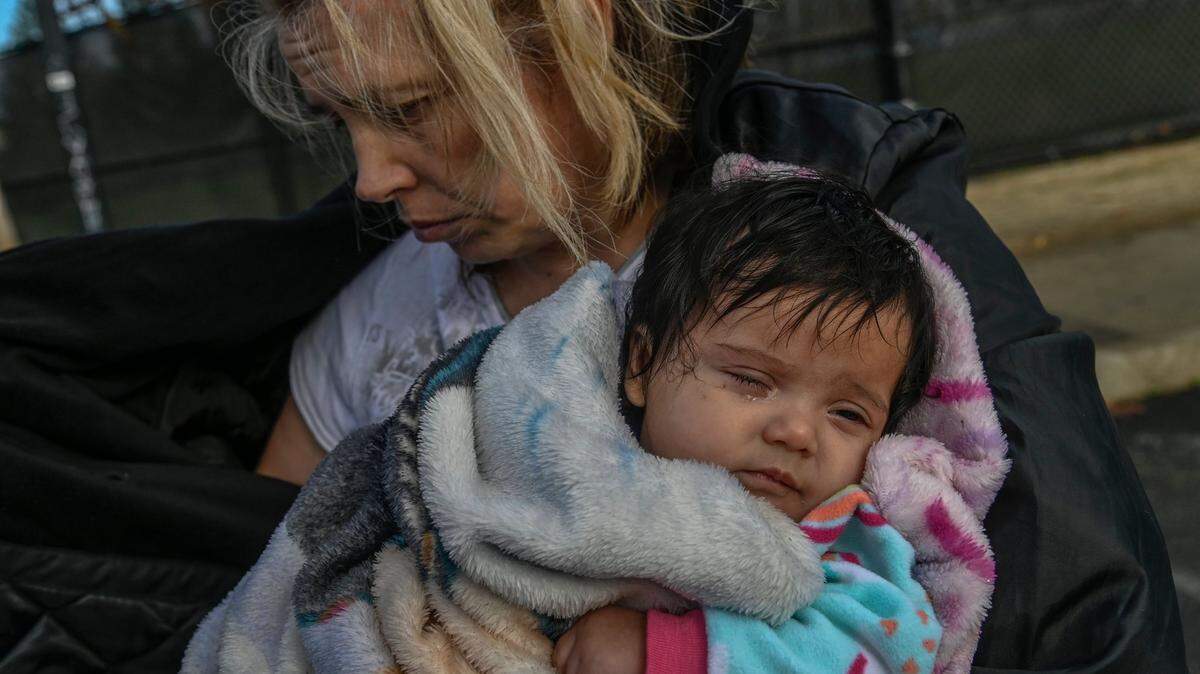
I have seen Sacramento children lined up in torn socks, their bare feet pressed against the cold cement, their tiny faces unwashed, their jackets ripped—the evidence of a city that abandoned them. I have seen the cost of being poor, and this city’s morality is on the verge of bankruptcy.
According to the 2024 Point-in-Time Count conducted by Sacramento Steps Forward, nearly 17% of people experiencing homelessness in Sacramento County were in households with minor children.
Our battle against homelessness comes down to a lack of homes. This problem will not solve itself. We need more rooftops to get our homeless off the streets.
At the moment, the state is going in the opposite direction. Our main shelter assistance program, the California Homeless Housing, Assistance and Prevention (HHAP) program, has been zeroed out for 2025–26, with only a proposed $500 million in 2026–27. That is about half of prior funding levels. That means less money will come to this region to combat homelessness.
Since 2019, Sacramento County has relied on more than $170 million in state homelessness grants, including $41 million directly to the county, to fund shelter beds, outreach, and prevention programs. Without this support, the safety net for struggling families unravels, pushing more kids to poverty.
Sacramento is trying to do more, with the City Council recently reviewing plans for new tiny homes and new safe parking and camping sites. Even if completely successful, it is the fraction of the solution that evades us, with unacceptable consequences happening every day.
When a child has to live on the streets, it begins an uphill battle. The constant housing moves and inconsistent schooling leads to developmental delays. These children are at risk of becoming damaged adults. They are prone to drug addiction, alcoholism, and ultimately, homelessness as adults in the very same communities that failed to keep them housed.
A driver of homelessness is our decreasingly affordable housing stock. Incomes haven’t kept up with rising rental rates. Too many families have to make painful decisions between paying the rent or buying groceries, or paying the utility bills.
I have seen the weight of these choices firsthand. On Thanksgiving Day in 2023, I stood on Ahern Street with Seva Selfless Service as the non-profit organization sponsored a food drive. Children stood in line in torn jackets, clutching paper plates awaiting food. It was a scene of both despair, and hope.
The state needs to be a partner in financial solutions for cities like Sacramento. Plenty of affordable housing opportunities go unrealized because of a lack of funding to convert vacant buildings into apartments, as one example. The private sector can be more of the solution with incentives to build low income housing, and offering rental assistance programs for families who are on the brink.
For taxpayers, it is far cheaper to provide emergency rent and utility relief than to find housing for families after they become homeless. And for many Sacramento renters, allowing annual rent increases as high as 10% is simply too severe a financial burden. Increases more in line with inflation are crucial to preventing more homelessness.
This problem cannot be fixed overnight, but the question must be posed: How many of Sacramento’s kids’ talents, dreams and potential are we going to let be thrown into the void of poverty before we finally choose to change housing? When a child lives in instability, they cannot focus on being kids, much less discover and pursue their passions.
Of these children, what potential future leaders are being left behind? How many won’t fulfill their potential to be the next great doctors, artists, teachers, local political leaders?
We all know that what we’re doing is not enough. We need stronger protection for renters and programs to help people in poverty, and more affordable housing benefits everybody. Because if we choose to look away now, we choose to bury the potential of every suffering child in Sacramento. Those children, who are us, and we are them.
Cherokee Moore is a Sacramento native and Vice President of Parallel Wealth Partners, a real estate development firm working to expand local housing opportunities.
This story was originally published September 20, 2025 at 5:00 AM.