
To revive downtown Sacramento, city leaders must fix the commute | Opinion
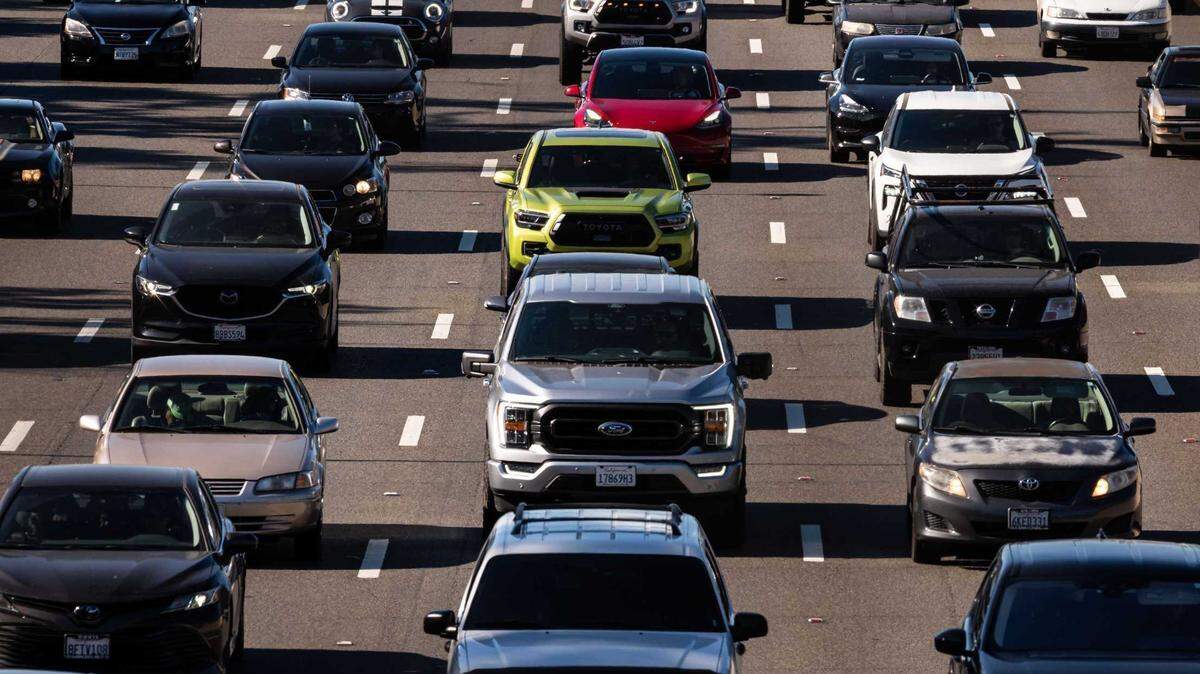
I love Sacramento. I lived here for years and still spend much of my week downtown, commuting from Roseville to an office in the Esquire Building. City leaders say they want workers back in the core to revive restaurants, retailers and street-level services. I agree. But day after day, the way our streets are actually managed sends the opposite message: “Don’t come.”
Consider the approach from Highway 160 onto 12th Street. What should be a straightforward entry to the grid is a gauntlet of chokepoints and poorly-coordinated signals that can turn a 5‑minute hop into a 20‑minute crawl. The 12th Street corridor has been on the city’s radar for years — including in a city council staff report noting high crash‑rates and signal conflicts. Yet operational headaches persist.
These micro‑frictions add up. One recent article reported that Sacramento‑area drivers waste roughly $1,500 annually in time and fuel due to congestion. In earlier years, the average driver lost 44 hours annually stuck in congestion, with a cost of nearly $1,000 per driver. That’s lost time, lost productivity and, importantly, lost sales for the corner café waiting on a morning rush that may never fully arrive.
Street‑construction management is another own‑goal. On key arteries such as J Street, I routinely pass entire blocks coned off long before actual construction begins. Sacramento does have some standards: The city’s municipal code requires an approved traffic‑control plan for any obstruction.
Moreover, the city’s own draft “Work Zone Detour Policy” guidance stresses project coordination and up‑to‑date scheduling, so parallel closures don’t kneecap a corridor. But out on the pavement, practice too often lags behind policy.
If we want workers and diners downtown, we can’t keep treating the morning and evening rush as an afterthought.
Signal timing is the quiet lever with loud returns: The city’s Intelligent Transportation Systems Master Plan identifies downtown grid corridors like H, I and J Streets and 15th/16th as primary routes, and highlights adaptive traffic signal control as a tool to adjust in real time to changing demand. Yet, it appears implementation is piecemeal.
Meanwhile, other cities show what’s possible when leadership aligns transportation operations with economic goals; adaptive signals reduce delay, smooth flow and by extension support commerce.
If the goal is a vibrant core, Sacramento’s elected leaders must treat traffic operations as economic policy — not just engineering.
City leaders should be hearing more from residents about 12th Street, protecting the peak commute, coordinating corridors and making safety and flow complementary — not competing.
None of this requires a moonshot. It simply requires leadership attention and managerial follow‑through. Sacramento already has strategies on paper, and there are national playbooks proving that better signal operations and construction management reduce traffic delay. Cities that align their traffic divisions with their economic priorities are seeing workers return faster and local businesses rebound sooner.
I choose to spend time and money downtown. I watch events at Golden 1 Center, grab lunches between meetings and meet clients for happy hour and dinner on K Street. When my drive from Roseville is smooth, I’m more likely to schedule those meetings in person and then stay after for dinner. When it’s a mess of red lights and pre‑emptive cone farms, I’m more likely to use Zoom and head back up I‑80.
If Sacramento City Hall wants a thriving downtown, it must make the commute reasonable — especially on the routes workers actually use. Align the traffic team with the economic mission, fix the worst‑timed lights and stop over‑coning our main streets during peak hours.
Sacramento’s restaurants, retailers and tax base are waiting at the green.
Justin Pressfield is a former Sacramento resident and a current Roseville commuter with an office in the Esquire Building.