
CEQA reform could make or break California’s climate resilience | Opinion
In the South Bay, engineers are racing to finish a new levee system meant to shield thousands of homes from rising seas. Behind the levee, workers are restoring tidal wetlands to absorb storm surges. The South San Francisco Bay Shoreline project is a model for climate adaptation — and also a case study in how long it takes California to approve a project like this.
The project has been slowed by over a decade of environmental review and multi-agency coordination under the California Environmental Quality Act (CEQA), even as the water levels in the Bay creep higher each year.
This is a pattern across California: From groundwater recharge basins in the Central Valley to coastal retreat fights in Pacifica, CEQA timelines, exemptions and litigation are directly influencing whether adaptation keeps pace with our changing climate.
Since 1970, CEQA has been California’s main environmental law. While it was created to prevent short-sighted environmental decisions by requiring thorough review and public input on proposed projects, the irony is that it’s now creating the very shortsightedness it was intended to prevent. A growing patchwork of exemptions means that some projects face the unnecessarily lengthy environmental reviews while others don’t.
This summer, lawmakers passed one of the broadest CEQA reform packages in decades — Assembly Bill 130 and Senate Bill 131 — promising to speed up housing and certain infrastructure projects by exempting them from review. Gov. Gavin Newsom characterized this as cutting red tape to build faster, saying “We’re done with barriers. Let’s get this built.”
This may be good news for housing and certain infrastructure projects, but as someone who has worked with CEQA for years, I see another project type that needs this type of urgent attention.
Climate adaptation projects
Climate adaptation projects are caught in the same bottleneck, and how we choose to address it could determine how prepared Californians are for imminent climate change.
After the 2025 wildfires in the Los Angeles area, Newsom temporarily waived CEQA and Coastal Act requirements for environmental review in order to accelerate utility rebuilding in fire damaged areas. These communities needed power to be restored before summer heatwaves hit, so it’s easy to see why this emergency exemption was made. But emergency suspensions won’t help us proactively plan for the effects of climate change.
When projects languish in review for years, we lose valuable time in the race to adapt to a changing climate. If we want our state to be truly ready for the impacts of climate change, we need to be approving climate adaptation projects faster than the current pace of CEQA. We need CEQA exemptions specifically for climate adaptation projects. Our state legislators must have recognized this, because wildfire risk mitigation projects were some of the project types addressed by this summer’s new CEQA exemptions.
However, wildfires are not the only climate change related threat to California, and many of the projects that would address these problems weren’t included in the exemptions.
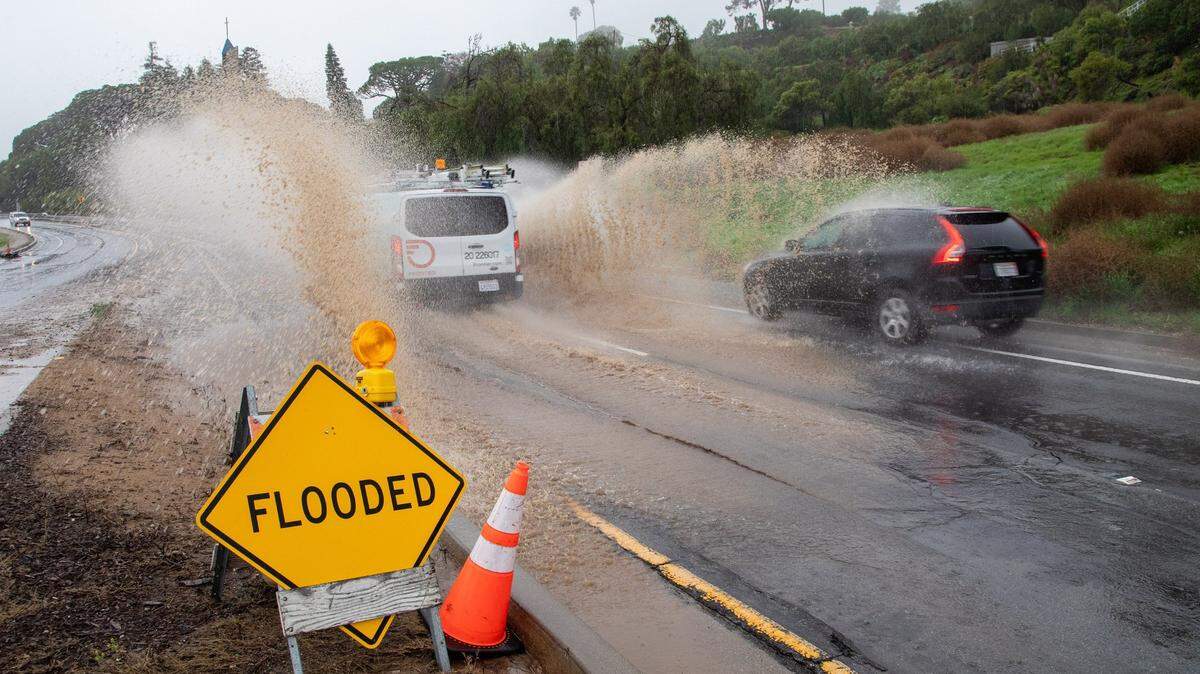
Flooding, extreme heat and sea level rise are all imminent threats to our state’s wellbeing that must be addressed quickly.
Urgent need
California leads the nation in environmental policies. We have set ambitious goals to cut greenhouse gas emissions and transition to clean energy, but the work of adapting to a changing climate has always been harder to plan, fund and permit. The legislature has recognized the need for CEQA exemptions to address urgent needs like housing and wildfire risk mitigation projects, but climate adaptation planning is equally urgent.
We need CEQA exemptions for projects that plan for and mitigate the effects of climate change. The next flood, fire or heatwave won’t wait for an environmental impact report. California’s laws shouldn’t either.
Erin Gustafson has spent the last decade as an environmental planner and CEQA practitioner in Sacramento. She is currently a graduate student at UC Davis focusing on climate adaptation planning.