
To fight the golden mussel, California counties need a coordinated approach | Opinion
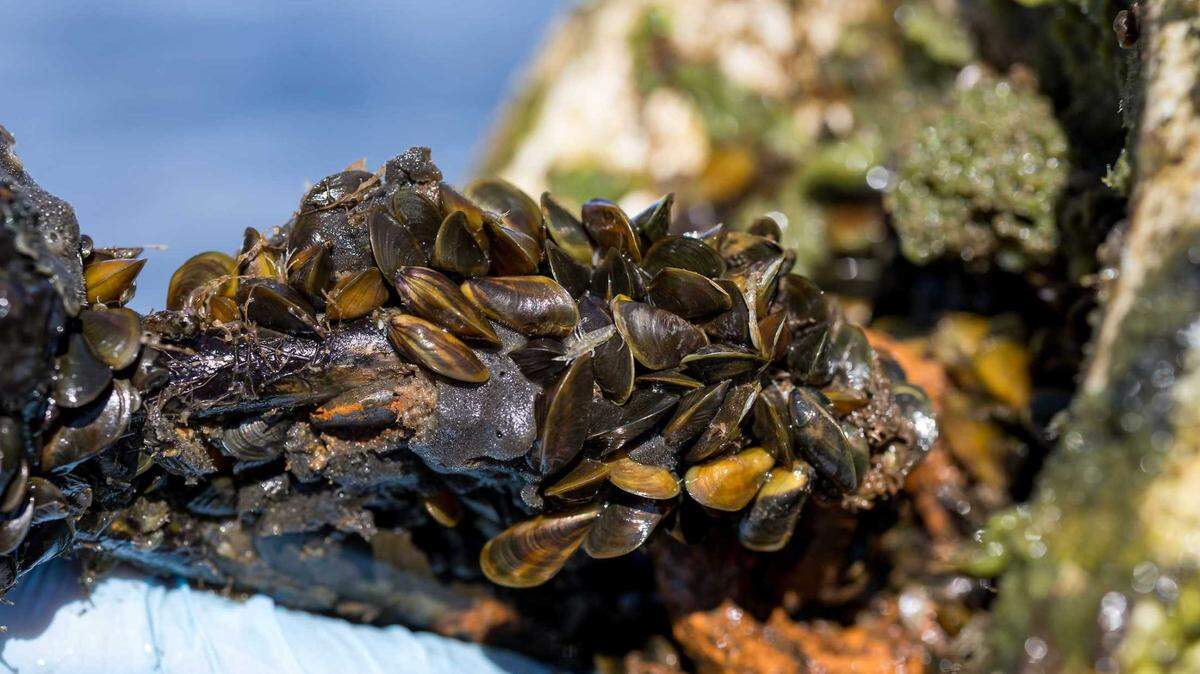
In rural California, protecting our water is a daily, hands-on battle against aquatic invasive species like the latest one, the golden mussel. Crews now must scrub boat hulls, sample canal water and vigilantly monitor reservoirs. Yet, invaders too often slip through anyway.
Golden mussels continue to appear in new reservoirs, bypassing our best defenses. They are now threatening fisheries, water infrastructure and the recreation economy that sustains many rural communities.
In October 2024, state water managers first discovered that golden mussels had invaded North America after finding them in the Stockton Deepwater Shipping Channel near the Port of Stockton. Given how this is connected to the Sacramento-San Joaquin Delta, where all the rivers of the western Sierra merge before heading toward San Francisco Bay, the location of this discovery could not have been worse.
Since that initial detection, the invasive species has multiplied rapidly across the Delta, forming thick colonies that encrust sampling plates, boat hulls and critical water infrastructure.
California relies on a patchwork of local rules — like “dry-out” periods that require boaters to wait before using new waterbodies — to ward against the proliferation of invasive aquatic species. These measures frustrate recreationists and hurt rural economies. And, unfortunately, they have not stopped the spread.
The golden mussel continues to move rapidly, as it has from the Delta to Southern California, exposing the limits of local defenses.
Across the Sierra foothills — in communities like those in Calaveras County, where I live and serve as a county supervisor — the message is strikingly consistent: We need a better system for decontamination, tracking and enforcement to prevent the spread of aquatic invasive species. Rural counties contain most of California’s watersheds, yet we lack the population and tax base to bankroll and manage the 24/7 boat inspections this new crisis demands. We stand on the front line against the golden mussel but must hold it back with a shoestring budget.
Closing a boat ramp, like they have on the Mokelumne River at the Pardee or Camanche Reservoirs , does not solve the problem if an unmonitored launch site exists a few miles away. When access becomes confusing or inconsistent, we lose recreation dollars. And, meanwhile, the invasive species keep moving.
The urgency sharpened when researchers confirmed that the golden mussel can survive in the low-calcium waters of the Sierra — areas we long assumed nature protected. That discovery upended decades of planning and made clear that we cannot treat any watershed as an island.
Across the foothills and Sierra, many of our neighbors rely on the same Gold Rush-era canals and reservoirs to sustain their communities. This aging, interconnected infrastructure remains exceptionally vulnerable to invasive species. If mussels clog these historic intake systems — as they already have in the Delta — we risk failures that could jeopardize water reliability, fire protection and the economic viability of mountain communities throughout the entire range.
California must shift from a “closed-gate” model to active suppression and coordination. We can use promising tools — like UV disinfection systems and copper-based treatments — to kill larvae at major water hubs before they reach rural systems. These investments protect infrastructure, fisheries and recreation economies.
Equally critical is a statewide Reciprocal Pass Program that lets boats inspected and cleared in one county move freely to the next. This program would reduce redundancy, improve compliance and restore confidence for recreationists all while allowing law enforcement and water managers to focus resources where risk is highest. To succeed, agencies must back such a system with stable funding, shared data and clear authority across jurisdictions.
With better coordination, funding and the will to treat rural watersheds as shared assets, California can still turn the tide. Our rivers, reservoirs and recreation economies deserve a defense as connected as the systems we strive to protect.
Calaveras County Supervisor Amanda Folendorf represents District 4.