
Small farms are innovating every day. California must meet them halfway | Opinion
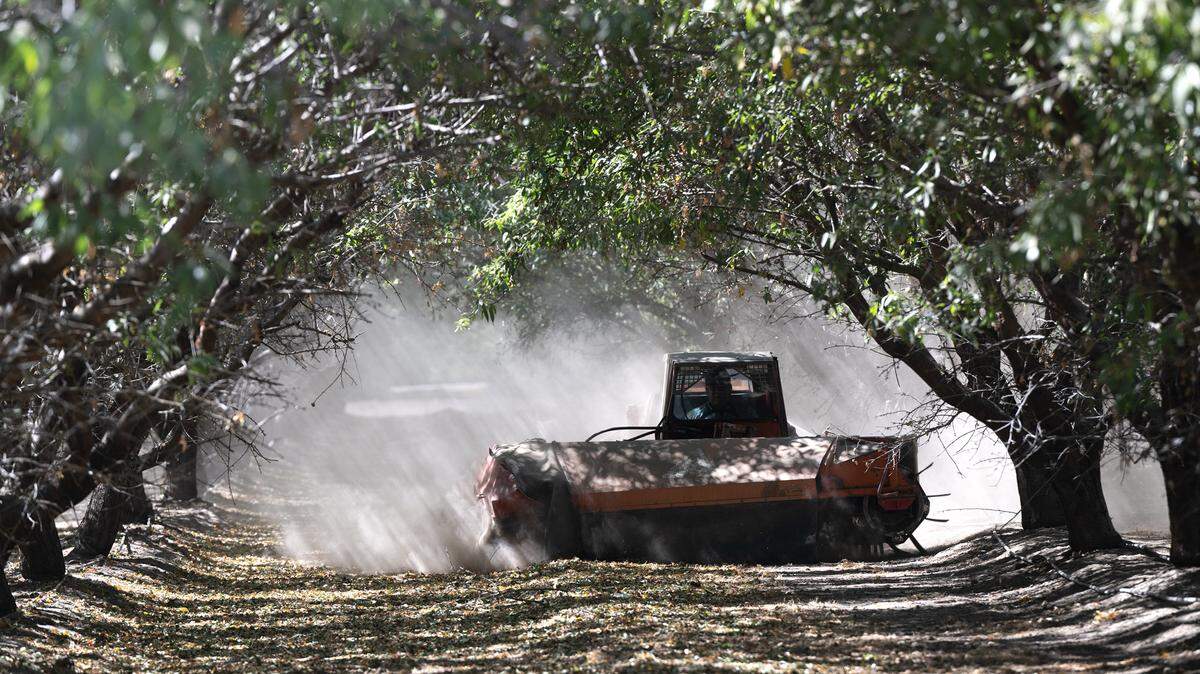
California often romanticizes its small farms, but in the San Joaquin Valley, these farms are far from relics, they are engines of innovation. Each season, small farmers improvise tools, share equipment, test affordable technologies, and find creative ways to stretch limited water and working capital even further.
Innovation isn’t a branding strategy, it’s how we stay alive.
Despite all this ingenuity, small farms are being pushed to the margins of California’s celebrated ag-tech boom. The gap between innovation happening in farmyards and boardroom-funded innovation is widening fast. Regulations keep tightening, compliance costs rise and tools meant to help farmers adapt are often priced or engineered for operations many times our size.
Anyone concerned about the future of small farms should read Small Farms and the Future of AgTech, a report examining the real technology needs of small-scale producers in the San Joaquin Valley. A Yolo County non-profit, Community Alliance with Family Farmers, spoke directly with farmers to understand what technologies — new and old — are being used, what’s missing and what conditions support farmers in adoption.
The San Joaquin Valley is home to thousands of small-scale, culturally diverse producers — multi-generation families, immigrant farmers building new livelihoods and growers supplying local communities. They face climate extremes, volatile markets and an expanding regulatory burden, but with thinner margins and far fewer resources than large operations.
Technology could help level that playing field, making compliance less punishing, water use more efficient and labor stretch further. But that cannot happen when tools are financially out of reach, designed without small farmers in mind or built on the assumption that every farm has broadband, multiple staff and time for training.
Farmers are eager for tools that save water, reduce labor and improve efficiency: low-cost soil moisture sensors, smarter drip systems, solar-powered cold storage or cultivation equipment that doesn’t cost as much as a new pickup. These aren’t luxuries. They’re essential to surviving the next decade of farming in the Valley.
Yet barriers remain steep. Farmers described buying devices — sometimes with grant funding — only to abandon them due to lack of training, language access or follow-up support. Others cited promising tools priced beyond reach or requiring reliable internet service many rural areas still lack.
As one farmer put it: “I know exactly what would help. I just can’t afford to try it, and no one will show me how to use it.”
A central finding of the assessment is something farmers have long known: tools don’t solve problems on their own. Success depends on the support systems around them — hands-on training, financing, translation, repair networks, trusted messengers and basic infrastructure.
We met farmers who saved thousands of gallons of water after adopting smart irrigation systems — but only because someone walked the fields with them, more than once, in a language they understood. That support often came from UC Cooperative Extension Small Farms Advisors, nonprofit providers or fellow farmers. Others praised equipment-sharing programs, while noting that affordable options remain inconsistent across the Valley.
The assessment outlines practical steps California can take now: expand equipment-sharing and mobile tech hubs so that farmers can test tools before investing; invest in bilingual, hands-on training and peer networks; and create farmer-led innovation structures to guide policy and tool design.
Recent voter-approved funding through Proposition 4 for a Farmer Equipment Sharing and Cooperative Development Program is a promising step and will create new opportunities at public sites for farmers to borrow, lease or test equipment. But these investments must be sustained and paired with ongoing technical support so that farmers aren’t forced to abandon new tools midstream.
The San Joaquin Valley is at a crossroads: Climate stress, consolidation and economic pressure are pushing small farms to the brink — but also toward solutions already being tested from Delano to Madera, and Livingston to Parlier.
Small farms don’t want to be left behind. They want to be partners in shaping the future of California agriculture, with tools that fit their scale, soils, crops and communities. If California is serious about a resilient farm economy, it must invest in a technology ecosystem that includes every farmer.
Rebekka Siemens lives and farms with her family on the same land where she grew up in the southern San Joaquin Valley. She currently manages Gonzales Siemens Family Farm’s almond orchard and heritage grains. Lilian Thaoxaochay is a first-generation Hmong American born and raised in Fresno. Her family has a 20-acre mixed vegetable, flower and jujube farm in the county.