
A terrible California law favor felons over victims. It should be changed | Opinion
In 2018, California’s Democratic supermajority codified into law the Elderly Parole Program, which gave inmates who had served at least 25 years in prison and who were 60 years or older the possibility of being released.
Two years later, the Democratic supermajority made it easier for older prison inmates to be released even earlier by lowering the eligibility age to 50 and the amount of time served to 20 years.
Not a single Republican voted for it. Gov. Gavin Newsom signed AB 3234 into law, which modified the California Penal Code to lower the age and time served requirements for entry into the Elderly Parole Program.
“Incarceration and prosecution are intensely traumatic and damaging processes that harm individuals, families and communities, and often increase recidivism and exacerbate the underlying causes of crime,” said AB 3234 supporters, Californians for Safety and Justice, in 2020.
This argument was wrong then, and it’s wrong now.
As the former District Attorney for Sacramento County, experience taught me that predators remain dangerous long after the age of 50.
The California District Attorneys Association opposed AB 3234 and previous iterations of what has become a terrible law that should be modified or abolished.
California’s elderly parole law is the most lenient in the nation. While 24 other states have similar programs, most automatically exclude murderers and sex offenders. California does not.
The only exemptions for the Elderly Parole Program in state law are for prisoners sentenced to death or life without the possibility of parole, for prisoners sentenced under California’s strike laws for a second or third strike, or prisoners convicted of first-degree murder of a peace officer or former peace officer.
What this law does not take into account is that many dangerous felons are not exempted from the Elderly Parole Program.
For example, Roy Waller could be eligible for the Elderly Parole Program.
He was known as the NorCal Rapist and, he terrorized women and communities across Northern California between 1991 and 2006. Waller broke into the homes of at least nine women, bound them, and repeatedly sexually assaulted them. In several cases, he kidnapped his victims and forced them to go to ATMs to steal their money.
In 2018, Waller was captured. At the time of his arrest, he was 58 years old. Despite the years since his last known assault, he still possessed tools to facilitate new attacks when he was arrested: duct tape, handcuffs, zip ties, rope, gloves, and a ski mask.
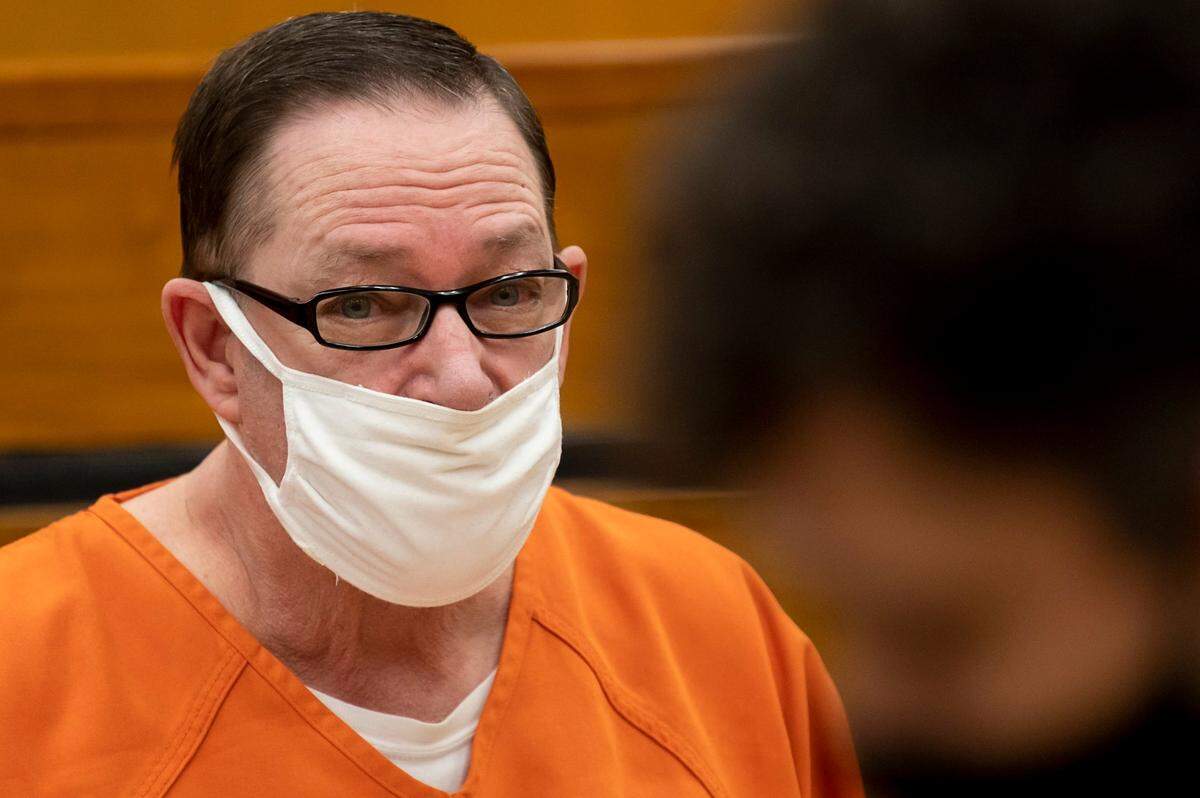
Devoid of the introspection that some associate with older people, Waller explained at trial that his instruments of torture merely indicated that he was a “collector of odd things.”
He was sentenced to 897 years in prison, but not life without parole. In January, Waller had 39 years of his sentence reduced when a kidnapping charge against him was reduced to false imprisonment, according to KCRA.
Some of his victims were reminded that Waller could be freed some 14 years from now. What “elderly parole” doesn’t take into account is that the possibility of parole can re-traumatize the families of victims destroyed by the unspeakable acts of dangerous criminals.
“I fought for 27 years until he was arrested after he committed his crimes against me, 29 years to make sure that he served the punishment that he deserved for what he had done to all of these people,” said Nicole Ernest-Payte, believed to be Waller’s first victim, to KCRA.
Judge James Arguelles, the trial judge in Waller’s case, said: “If he’s not a danger to society, then I don’t know what a danger to society is.” Judge Arguelles sentenced Waller to the fullest extent the law allows. Unfortunately, the sentence does not disqualify him from “elderly parole.”
Judge Arguelles criticized lawmakers, stating, “They seem to be more worried about defendants’ rights than victims’ rights.”
For many victims, sentencing represents finality—a chance to heal and move forward. But when victims are later notified that offenders are eligible for parole simply because they have turned 50 and served a mere 20 years for their violent crimes, that finality is shattered. Victims are forced to relive their trauma. A sentence meant to ensure safety and closure becomes meaningless.
Efforts to fix this injustice have repeatedly failed. Senate Minority Leader Brian Jones, R-San Diego, and San Diego County District Attorney Summer Stephan have introduced legislation to exclude violent sex offenders and murderers from early release. Each time, the bills were killed in committee.
In a state where law-abiding citizens must wait until age 62 to collect Social Security, it defies logic—and basic fairness—that murderers, torturers, and serial rapists can seek parole at 50 after serving only a fraction of their sentences.
Crime victims deserve better. Californians deserve better. Humanity deserves better.
Anne Marie Schubert is chief executive officer of the Criminal Justice Legal Foundation, a non-profit organization dedicated to victims’ rights and sound public safety policy.
This story was originally published February 9, 2026 at 5:00 AM.