
What losing varsity equestrian means for UC Davis’ identity | Opinion
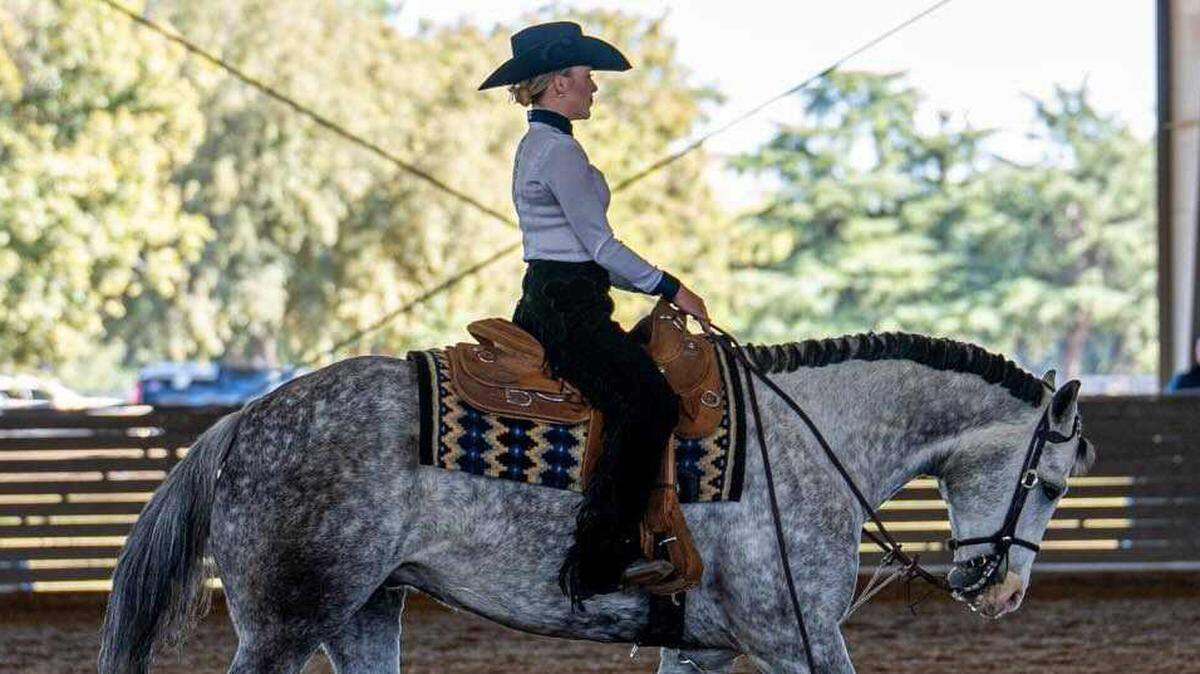
“Horse hockey” is a term every regent of a land grant agricultural university ought to recognize as shorthand for nonsense, and it aptly captures UC Davis’ decision to downgrade its varsity equestrian team to club status while elevating STUNT, a competitive cheer discipline, to varsity.
In college athletics, a varsity team is part of the official National Collegiate Athletic Association (NCAA) program, with university-funded coaches, medical and academic support, travel budgets and guaranteed facility access. By contrast, a club team is student-run, relies on fundraising and fees and competes with fewer resources and far less visibility.
STUNT is a newer women’s team sport that grows out of cheerleading but focuses only on athletic elements — stunts, pyramids, jumps and tumbling — performed in short head-to-head routines and scored on execution. It may be a welcome addition to campus sports, but at UC Davis its rise is tied directly to the relegation of the equestrian team.
The official explanation is that UC Davis is “aligning resources” in Division I athletics. The Athletics Department cites competitive alignment, student-athlete participation, academic performance, Title IX and financial sustainability as reasons for the shift. On paper, that sounds like routine business. But in practice, it disregards the university’s history and culture.
Importance of equestrian
UC Davis is a premier land grant institution that promotes its agricultural and animal science programs as central to its mission. Graduates go on to leadership roles in animal health, biotech, veterinary medicine, livestock and equine industries, agricultural education and rural community life.
Equestrian student-athletes (students who compete in organized horseback riding events under NCAA rules) are disproportionately drawn from — and return to — these sectors, and the university has long cited this pipeline as proof it is fulfilling its land grant purpose.
Equestrian also matters because of what it teaches, particularly for students who did not grow up around farms or horses. Working with a 1,200‑pound animal demands clear communication, risk assessment and calm decision-making under pressure. Organizing practices and competitions, managing travel and coordinating with coaches, veterinarians and barn managers builds skills in logistics, budgeting, leadership and collaborative problem-solving that serve women in every profession — not just agriculture.
As one of the few Division I equestrian programs on the West Coast, UC Davis has offered riders and future agriculture professionals a rare chance to compete at the highest collegiate level while preparing for careers in animal-related fields.
So when a leading agricultural university quietly downgrades equestrian mid-season — despite strong donor support — and shifts it from varsity to club status, the message to students and families is that equestrian is expendable, even where it best aligns with academic mission and workforce needs. That weakens confidence that NCAA equestrian is a secure, long-term investment in women’s athletics and in rural and agricultural career pathways.
UC Davis’ lack of answers
Transparency is another problem. UC Davis has not released clear, comparable data on the cost per student-athlete in equestrian versus other Olympic, non-revenue or roster-heavy sports. Because the university relies heavily on institutional support and student fees to fund 25 varsity sports, it is reasonable to ask: What is the true per-athlete cost for equestrian once facilities, staffing and support services are counted, compared with other sports? Were donor commitments to help bridge equestrian funding fully factored in, and did the analysis weigh graduation, GPA and career placement alongside finances and Title IX?
Even after a petition opposing the change drew more than 14,000 signatures, the news outlet Abridged reported that the university “did not respond to a list of follow up questions.”
UC Davis frequently celebrates its “Aggie” identity and land grant purpose in marketing materials, using images of horses, barns and fields to signal its connection to agriculture. Keeping equestrian as a fully supported varsity sport has been one of the clearest ways to live that identity by giving students hands-on experience with horses in a structured, high-level setting.
If the institution downgrades the very program that helped develop Olympic silver medalist Gina Miles, who trained at the UC Davis Equestrian Center and rode with the UC Davis Eventing Team, it is fair to ask whether there will be another Aggie Olympic equestrian medalist, or whether that success will be allowed to stand as a one-time achievement.
Restore the sport
A constructive solution is within reach: The UC Regents and UC Davis leaders should restore equestrian to full Division I varsity status, require transparent sport-by-sport financial and outcomes reporting and support STUNT in a way that advances women’s athletics without sacrificing the women’s sport most closely tied to the university’s agricultural mission.
Julie M. Broadway is president of the American Horse Council and American Horse Council Foundation.