
State action is needed to safeguard California voting rights | Opinion
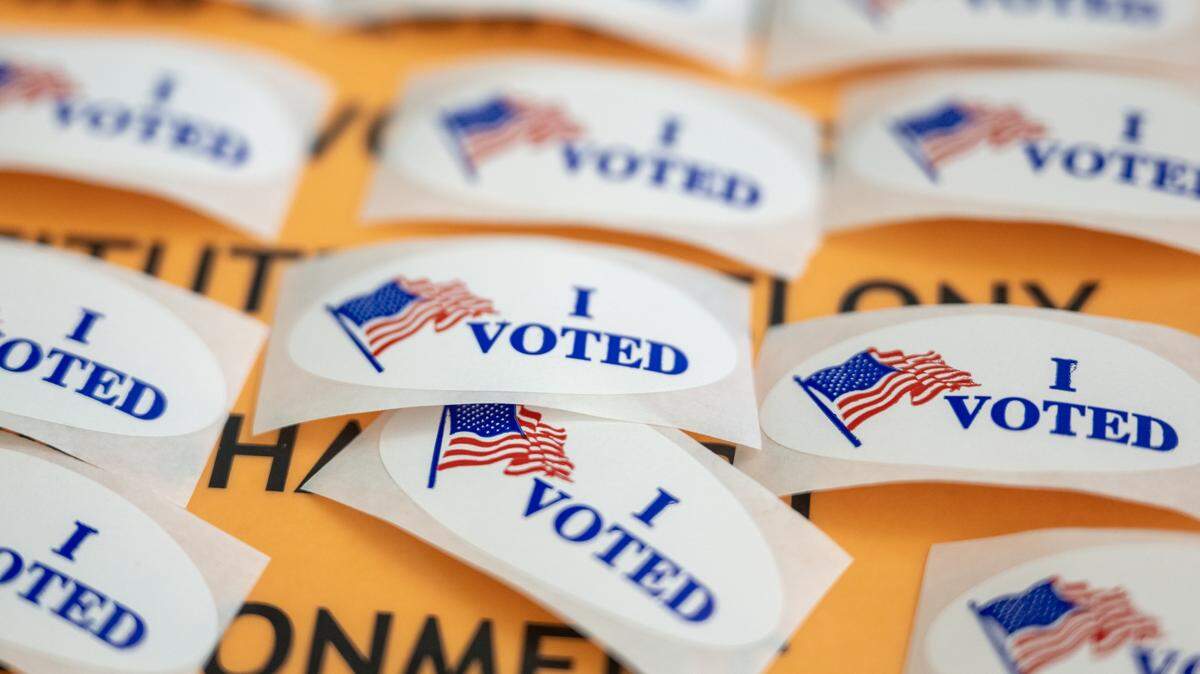
At the end of March, the U.S. Supreme Court heard a case that could have a huge impact on voting this November: At the center of Watson v. Republican National Committee is whether ballots mailed by Election Day still count if they arrive a few days later. The case began in Mississippi, but its impact could reach far beyond — potentially changing voting rules in 29 states, including California.
In the 2024 general election, there were 373,000 ballots in California that were postmarked by Election Day that arrived during the seven-day grace period allowed under state law; that’s more than 2% of mail ballots in the election. The November special election again flashed warning signs that delays caused by changes to slower mail processing may be contributing to more ballots getting disqualified. The percentage of ballots rejected for being late quadrupled from the 2024 general election, disqualifying more than 72,000 votes.
Recently, President Donald Trump threw even more chaos into the elections by issuing an executive order to restrict mail voting. His directive has already been challenged by California, but even if courts don’t allow it to take effect, it is certain to undermine confidence and lead to the spread of misinformation and distrust about the form of voting used by 80% of the state’s voters.
It’s no wonder a recent poll showed that two-thirds of Californians believe democracy is under attack.
The bottom line is that California voters need accurate information about casting their ballots once the courts and lawmakers finalize voting rules.
And there’s another important reason California needs to do a better job educating voters: Turnout in 2024 was alarmingly low — the steepest drop between presidential elections in 80 years. The state ranked just 36th in the nation. Stronger voter education could also help close long-standing participation gaps between voters based on age, race, income and other factors.
The good news is that California voters have shown they can adapt to major changes when they have clear information. For example, in 2020, the COVID pandemic upended people’s voting options, yet turnout jumped by 12 percentage points.
That year, the state invested heavily in voter education, spending tens of millions of dollars on outreach, advertising and community engagement to make sure voters understood their options.
With the state facing unprecedented threats to voting this year, California will need that same level of commitment again — if not more. Preventing disenfranchisement, reversing turnout declines and closing participation gaps will require a renewed focus on voter education.
State leaders seem to recognize what’s at stake. Gov. Gavin Newsom, Senate President pro Tempore Monique Limón and Assembly Speaker Robert Rivas recently made a commitment ”to protect our free and fair elections this November.”
An important way for state leadership to start delivering on this commitment is by seeking help from trusted community messengers.
Community-based organizations are experts in the communities they serve and are trusted by potential voters. They can deliver culturally relevant, in-language messages that can resonate in ways they might not when they come from others. This is an approach that the state has used successfully, including motivating millions of the hardest-to-reach households in the state to participate in the 2020 Census.
At the Haas, Jr. Fund, we’ve seen how this kind of strategic and targeted outreach can work. As a non-partisan foundation working to increase engagement in our democracy, we look for effective ways to motivate more voters to participate. We recently had success partnering with county elections offices to jointly fund community-based groups to educate voters about the 2024 election.
The results were encouraging, including increasing turnout while being cost-effective.
Meeting this moment will take real investment. Philanthropy and local election officials have a role to play, but only the state can deliver resources at the scale needed to change voting behavior, boost turnout and close participation gaps.
The current federal administration and the Supreme Court seem poised to make it harder to vote or to have your vote counted. The consequences will be significant and far-reaching. But we don’t have to wait: State leaders can act now to protect free and fair elections in California — and to make sure that all eligible Californians have a voice and a vote.
Raúl Macías is the democracy program director at the Evelyn and Walter Haas, Jr. Fund.