
I’m listening: As my hearing fades away, what I am missing the most | Opinion
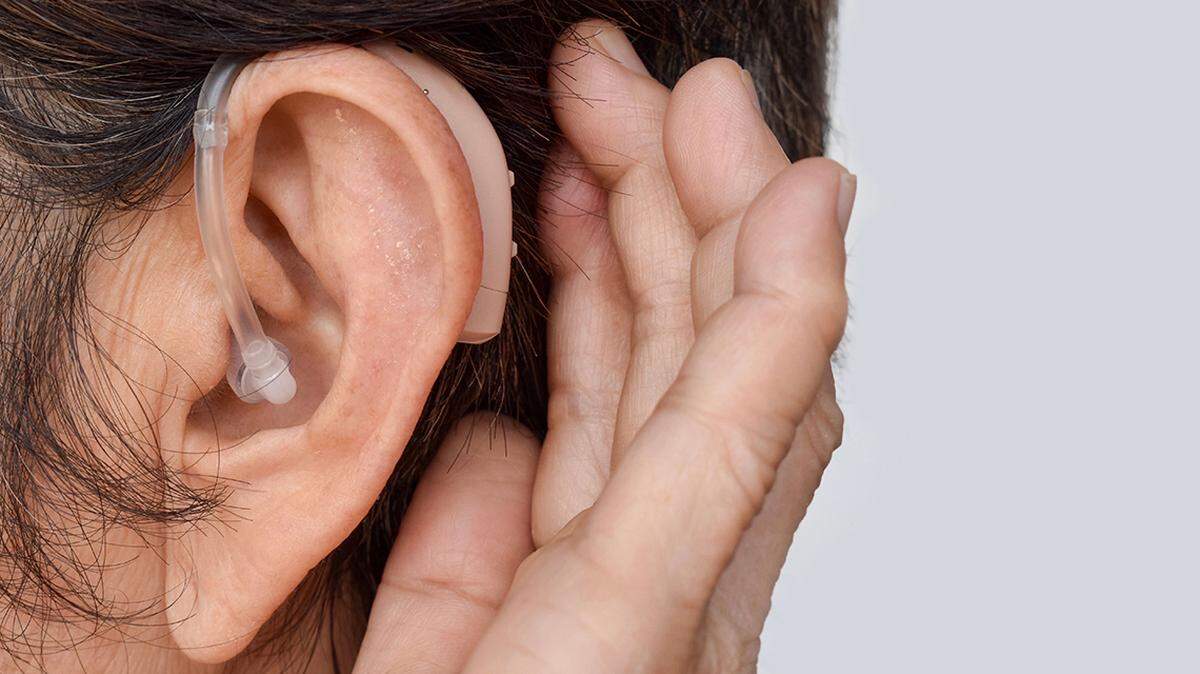
I’ve always enjoyed hearing all kinds of stuff, but mainly kids laughing, whispers and music. There is nothing like slightly complex, live or high-fidelity recorded music. At one time, I was able to brag that my record collection contained over 3,000 albums. At one time, I was able to encounter and appreciate sound without popping on my hearing aids.
Those days are gone. We’ve been on the West Coast since the ’70s, but I grew up in New York City during the ’50s and early ’60s where weekends found me attending concerts, Broadway shows, hanging out in The Village or exploring 52nd Street, where the jazz greats ruled. The popular expression was, “I had ears,” which meant I appreciated listening. Then came four years in the military, one in Vietnam at Camp Miller, which was immediately adjacent to Chu Lai Airfield. Douglas A-4 Skyhawks, McDonnell Douglas F-4 Phantoms, Grumman A-6 Intruders taking off or landing every minute or so, 24/7 — no noise abatement. The sounds were deafening; jets in full afterburner causing the ground to shudder, the blasts jarring, making you feel as if fissures were opening in the Earth’s crust. You learned to operate within the thunder, or despite it. There was no specific moment that I began to question my ability to hear clearly. Conversations slowly lost the energy and punch they once had. As words came at me with reduced clarity and auditory perception became less reliable, I simply turned up the volume on my radio or stereo equipment. I assumed people had taken to mumbling, asked them to enunciate and, while they were at it, speak up.
Suddenly, there were the word salads. I’m behind the wheel trying to follow GPS instructions. These are being supplemented by my granddaughter’s advice, and she’s being assisted by her younger sister who thinks I should be “over there” or maybe “over there.” Turn left, turn right. I’m doing my best to keep the car in the necessary lanes, to prepare for and execute the proper turns, but instead of the GPS, I’m hearing layered garble.
I’ve lost my ability to pick out a central voice or train of thought. Prior to getting hearing aids at the age of 74, I did my best to interpret the fragmented sounds that reached me, using context, life experience and a general sense of what was happening to help pin down intended messages. Of course, this worked best if the words were familiar and clearly articulated.
We have the good fortune of living in a world that allows us to interact with others — neighbors, co-workers, fellow citizens — who have come to the United States from distant lands. Friends like Mr. Qatu, Dr. Yanikoglu, Mrs. Nwogu, Mr. Vaezeafshar and Dr. Sbaih are just some folks in my immediate community. Many of these individuals pronounce American English slightly differently than my ears are used to — not any better or worse than me, just different. I’ve lived on the West Coast for 40 years, and haven’t lost my New York accent. My ability to guess what’s being said is reduced when I’m trying to process unfamiliar phonetic configurations.
As a new complication, it turns out I have disorder known as hyperacusis. Not only am I unable to perceive softer sounds, I’m extra sensitive to loud noises. My auditory system exaggerates extreme volume, blasting it into my brain so that loud sounds extra loud — like it’s being pumped up by one of those kids in an adjacent car waiting for the light to change, its blaring music achieving a deafening power, a wall of over-the top audio that generates pain throughout my entire body.
I’ve had to leave my expensive concert seat at the Temple Hill Symphony Orchestra in Oakland during a performance of Classic Broadway Musical Favorites and wait for the family in the lobby. It had become impossible for me to enjoy the program.
The chief of audiology at Stanford University, who I’d seen for a second opinion, suggested having my audiologist at UC San Francisco adjust my Phonak hearing aid settings. Sadly, she had already attempted these corrections. And more to the point, the problem occurred whether I wore aids or not.
Both providers counseled that over time, I could learn to desensitize my ears and develop a tolerance for uproar. Truthfully, this didn’t feel like much of a solution. And, in the meantime, ear plugs helped. By removing my $5,000 hearing aids and replacing them with my $20 ear plugs, I can tolerate and understand just enough of what is going on to appreciate a quiet movie.
As I’ve mentioned, I like to hear my grandchildren giggle. I purchased the high-end hearing devices to achieve maximum success, and they are pretty good at capturing giggles. When Lila practices piano, the pitch and timbre are adequately conveyed. Basically, I end up hearing what every grandfather hears when a grandchild plays, which is perfection. But sometimes, when my wife starts talking about grocery shopping, even with the aids turned up all the way, I tend to miss a few items.
Charles E. Kraus is a magician and writer and lives in El Cerrito.