
When refineries close, communities need vital information about cleanup, costs | Opinion
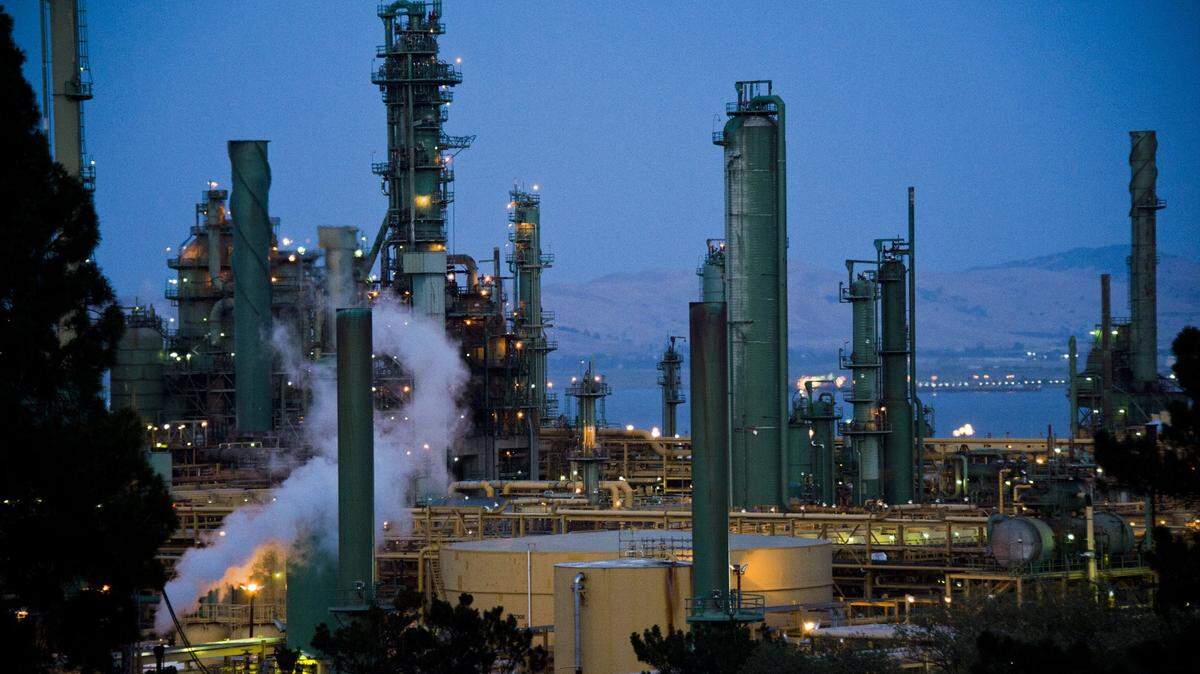
Last month, the Valero refinery in Benicia officially ceased refining fuel. For more than half a century, this refinery has defined our city’s skyline, provided jobs and anchored our tax base. For those of us who govern this community, the work of figuring out what comes next is just beginning — and we are doing it largely in the dark.
I know this firsthand: When Valero announced its intent to close last April, the news arrived swiftly and without warning. We have been scrambling ever since, trying to plan around the closure and figure out what our future looks like without the refinery.
That process has been extraordinarily difficult in an information vacuum. But that vacuum is not an accident: It is a choice that the oil and gas industry has made, and one that California law has (so far) allowed them to make.
But the California State Senate did the right thing this week in passing Senate Bill 1259, the Refinery Transparency Act.
Our residents breathed that pollution every day, and now, as Valero walks away from their mess, it is us alone who is left to reckon with whatever contamination remains in the soil and groundwater.
We are excited by the potential to redevelop the site in a way that diversifies our economy, but we do not have the luxury of decades to let the site’s future play out in slow motion while viable opportunities slip away. We need to begin coordinating with residents and Valero’s selected developer, Signature Development Group, now.
However, it is difficult to do so without hard information about what it will take to clean the site up: how long it will take, how it will happen and how much it will cost.
It doesn’t have to be this way. Other energy industries — solar, coal mines and nuclear — are required to create and fund cleanup plans before they close. Why are refineries the exception?
The very least these companies owe us on their way out is transparency.
This is exactly the problem that the Refinery Transparency Act is designed to solve. The bill, co-authored by senators Catherine Blakespear, D-Encinitas, and Lena Gonzalez, D-Long Beach, would provide that information to every local government in California if and when refineries close. It would ensure that refinery communities across the state can begin long-term planning for a diversified economy as oil refining inevitably diminishes over time.
For other communities across California with a refinery in their backyard, including Martinez and Richmond, this is vital information.
These are some of the most profitable corporations in the world. While Californians pay $6 a gallon at the pump amid the global oil shock driven by the war on Iran, big oil companies are making record profits.
Big Oil lobbyists have argued that requiring cleanup disclosures is too burdensome and costly for refiners and that bills like SB 1259 send a signal to the market that California wants its remaining refineries gone, accelerating closures. The Western States Petroleum Association has claimed the reporting requirements would impose new costs on their members. But this is a false narrative: Any company planning for an eventual business transition already tracks the financial obligations associated with that transition.
Refiners know what cleanup will cost them; SB 1259 simply requires them to share it.
What Big Oil is resisting is not the burden of calculating that information — miniscule against their profit margins — but the obligation of sharing it with the communities they are leaving behind.
The Benicia refinery has gone dark. The questions about what comes next will define our city for a generation. By passing SB 1259, California can give communities like mine a fighting chance to answer them.
Kari Birdseye is a member of the Benicia City Council.