
Sacramento should not cut this critical resource for foster youth | Opinion
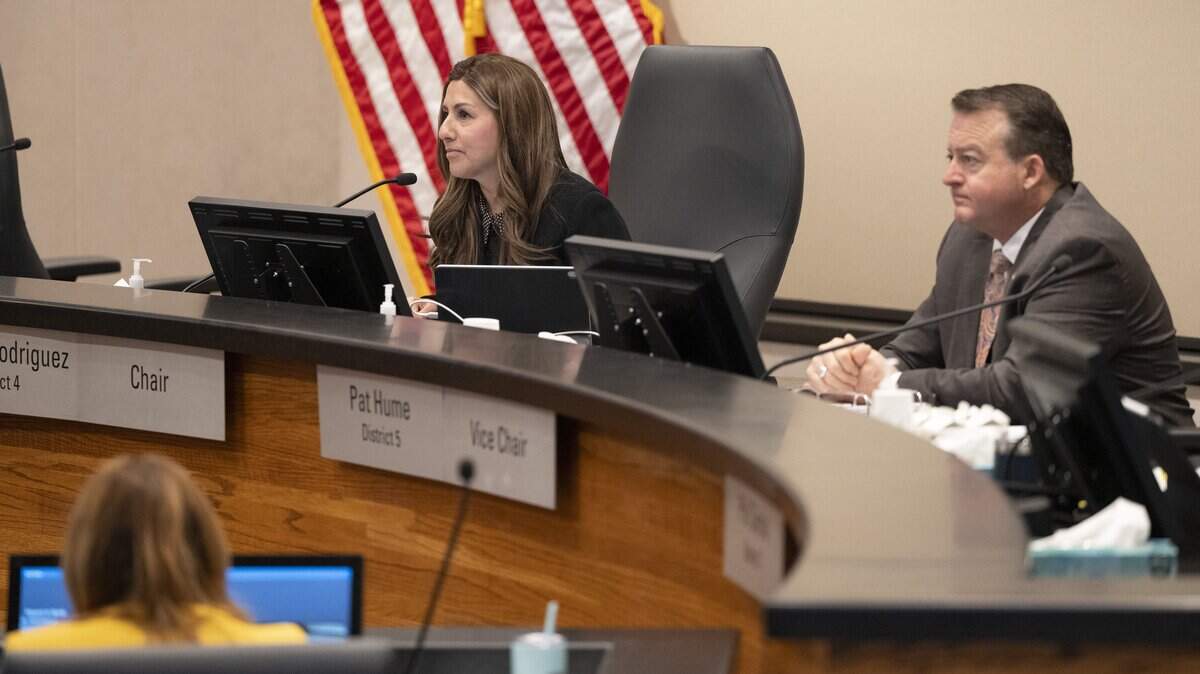
Sacramento County is considering cuts that could reduce transportation access for foster youth and young adults aging out of foster care. That means fewer rides to school, counseling appointments and life-skills programs that help young people learn how to budget, apply for jobs and navigate adulthood after years of instability.
For some young people, it will mean no ride at all.
It will also mean more caregiver burnout. After fostering a transition-age youth for nearly a year, my family stopped fostering entirely because of the transportation demands. We had no transportation support. With my husband and I both working, and with two additional kids at home, we could not meet everyone’s needs.
County leaders may describe this as a difficult budget decision, but foster youth will experience it as one more support disappearing in a system held together by too few caregivers, too few resources and too many young people being asked to overcome impossible odds.
At a time when Sacramento County needs more resource families, this is exactly the wrong direction for our region.
Transportation is one of the biggest challenges foster families face: School pickups, therapy appointments, sibling visits, court hearings, medical appointments, life-skills classes, extracurriculars and work schedules can overwhelm committed caregivers. When transportation support disappears, those burdens shift to caregivers, county workers and young people themselves.
Most foster youth do not have fallback options. They often lack reliable cars, licenses, insurance money or backup drivers.
Sacramento County’s Independent Living Program helps foster youth prepare for adulthood with skills many young people learn through family support: managing money, maintaining employment, accessing services and building stable lives. Transition-age foster youth face challenges most adults would struggle to overcome, but this program is designed to break the cycle of instability before it follows them into adulthood.
But the Independent Living Program only works if young people can get there.
The cruel irony is hard to ignore: We are asking foster youth to demonstrate independence before allowing them access to programs designed to help them become independent.
County officials have suggested transportation costs are becoming unsustainable. But other California counties are using state funding tools, federal reimbursements and cost-sharing agreements with school districts to preserve access.
Without reliable transportation to school and support programs, school stability suffers, attendance drops, appointments are missed and young adults transitioning out of care become more isolated.
California law recognizes that transportation is essential to educational stability for foster youth. Foster youth have the right to remain in their school of origin, but a transportation system that exists on paper but fails in practice does not uphold those rights.
Sacramento County is facing difficult budget realities. But when government looks for cuts, the first question should not be: “What can we eliminate?” It should be: “Who absorbs the consequences?”
The teenager trying to make it to a life-skills class after bouncing between placements? The youth struggling to stay connected to school after another disruption at home? The caregiver driving multiple youth to different schools while trying to keep a child stable?
Sacramento County leaders still have time to make a different choice. Before reducing transportation support, the Board of Supervisors should examine how peer counties are leveraging funding, what reimbursement opportunities remain underused and what the long-term costs will be if foster youth lose access to stabilizing programs.
Instability is expensive: School absences, missed appointments, caregiver burnout and failed transitions into adulthood all carry costs.
Transportation may look like a line item in a county spreadsheet. For youth in foster care, it can be the difference between showing up and giving up.
Sacramento County should not balance its budget by making vulnerable young people pay the price.
Jennifer Rexroad is president of the California Alliance of Caregivers and a longtime advocate for foster youth, kinship caregivers and resource families across California.