
California is making strides addressing global ocean acidification | Opinion
For decades, our ocean has been a shock absorber for climate change, working overtime to take in a vast amount of excess carbon from the atmosphere. If it weren’t for the ocean — which covers over 70% of the planet’s surface and has absorbed so much carbon — our changing climate problems on land would be much worse.
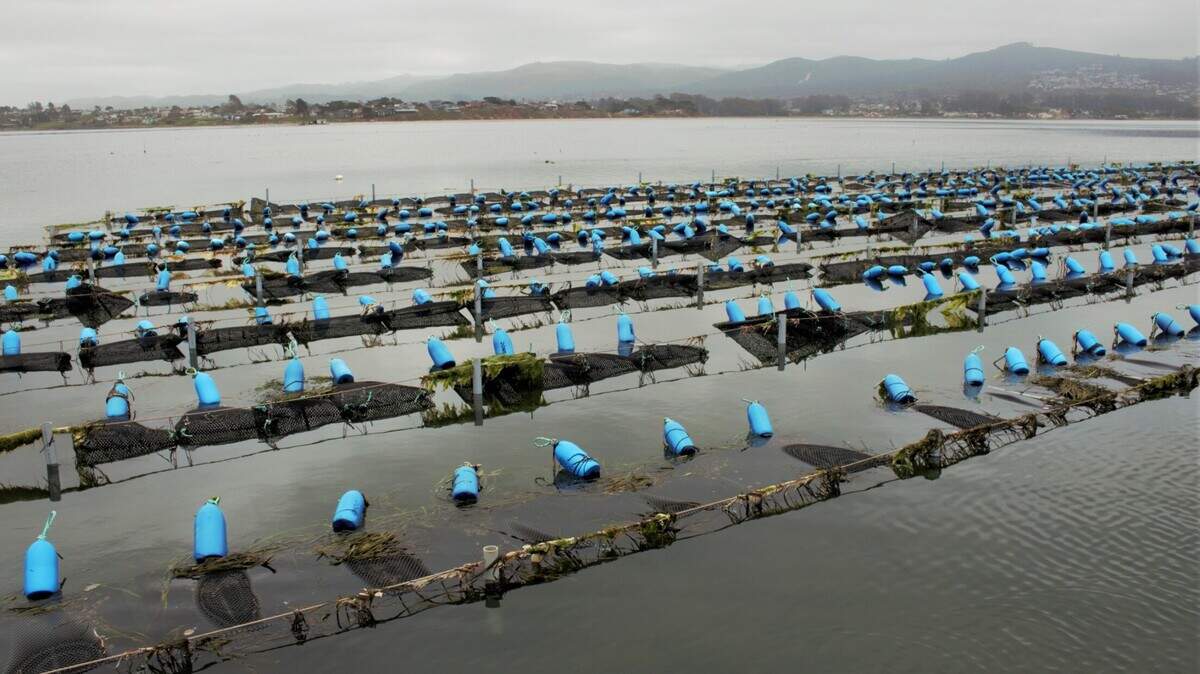
But today, we see worrisome signs that the ocean is near capacity. A recent international report warns that ocean acidification is exceeding a key planetary boundary: As waters become warmer and more acidic, they become less livable. Acidification makes marine organisms less able to form shells, disrupting the development of Dungeness crabs, oysters, mussels, clams, corals and other marine life.
If we do not take action, these species will become a less reliable source of the seafood that helps sustain us.
Countries around the world understand the urgency of this situation. California and other states are proud to be meeting this moment, taking action on climate change, even as our nation’s federal action on ocean issues is stalling or moving backwards.
California makes strides
Last year, California renewed the “cap-and-invest” program to motivate businesses to pollute less and invest in cleaner technologies. It’s a proven system that works, reducing carbon and supporting billions of dollars of investments in climate adaptation and resilience programs, along with clean energy projects that benefit low-income Californians.
The state is also incentivizing zero emission commercial vehicles, working to bar further offshore drilling and strengthening the electric grid regionally to help move away from fossil fuels.
When the federal government walked away from the Paris Agreement — the international climate accords — in 2017, the governors of California, Oregon and Washington stepped up to help found the Ocean Acidification Alliance.
This initiative is still going strong nearly a decade later, with 20 countries and nine states as signatories making their own national and state commitments to advancing climate-ocean action. Each of the signatories committed to adopting and implementing its own action plan.
California is also working to fulfill the Ocean Acidification Action Plan it adopted as a founding member of this alliance. Our state plan, in addition to committing to emissions reduction, supports blue carbon ecosystems, helping seagrass, tidal wetlands and kelp forests act as a buffer from the corrosive effects of acidification.
Local work
We can also work locally to help prevent ocean acidification. For example, the Southern California Coastal Water Research Project and the Wastewater Operator Certification Program are closely monitoring how wastewater runoff exacerbates coastal acidification.
We know that water recycling on the Central Coast is a win-win, as the water recycling plant just outside of Watsonville in the Pajaro Valley has reached the point that during many months of the year no treated wastewater is released into the Monterey Bay. At the same time, that plant provides much-needed water supply to an over-drafted basin.
Still, in recent weeks, forecasters have flagged a potentially record-breaking El Niño event coming our way. It’s a reminder of the disastrous Central Coast floods in 1995 that washed out roads and bridges around the City of Monterey, cutting it off from the world. The Pajaro levee broke (and again, in 2023), flooding the town of Pajaro. And just three years ago, the Central Coast was ground zero for atmospheric rivers, with wharfs floating out to sea and cliffs and roads falling in.
In addition to these land-based impacts, an El Nino-based shift in winds and ocean temperatures can wreak havoc on ocean ecosystems. With our ocean heating up and these erratic climate patterns looming, the more entities we can recruit into this effort, the more we can ensure the health and vitality of the ocean that feeds and sustains all of us.
Sen. John Laird, D-Santa Cruz, represents California’s Central Coast and served as California’s Secretary for Natural Resources under Gov. Jerry Brown.