
California needs public policy that respects how water actually works | Opinion
There is a stretch of Rock Creek that lies just a few hundred yards from my grandmother’s house in north Butte County.
When I was young, we would walk there in the mornings to check the water when it ran high. In the summer, we would follow the levee and explore.
But I never swam in that creek. The banks were too steep, I was too small and my grandmother had a lifelong fear of water. She had reason for it: She grew up close enough to the Sacramento River that roads regularly flooded and houses were annually threatened.
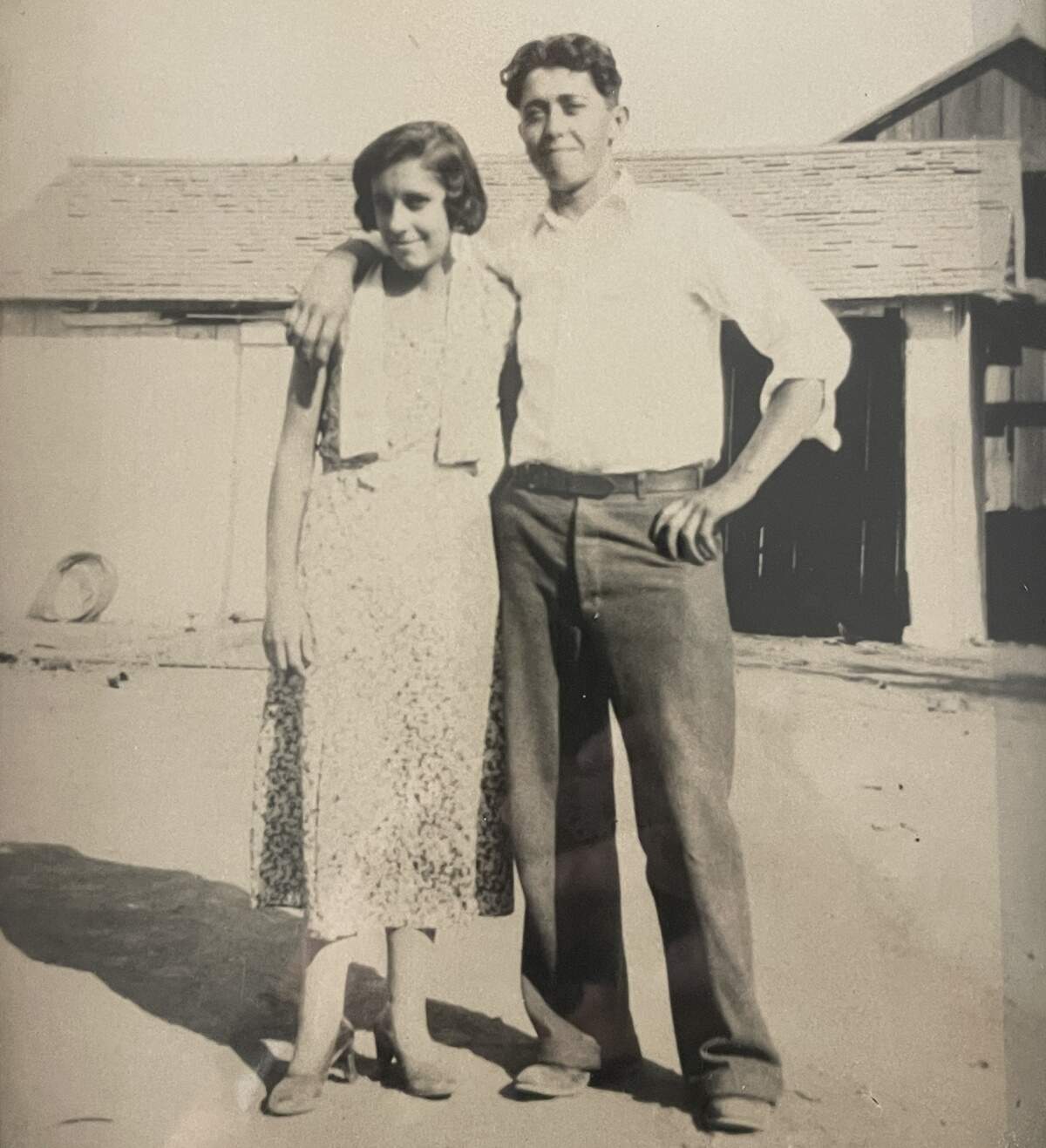
Around 1937, when she and my grandfather were a young married couple, floodwaters swept away their home and rose to the rafters of the barn.
My grandmother respected water because she understood its power. That lesson feels urgently relevant now, as California faces the growing consequences of weak planning, piecemeal development and a political habit of reacting to floods only after the damage is done.
Rock Creek begins in the foothills just north of Chico and winds south through the valley along Keefer Road, under Highway 99, toward the town of Nord, and eventually on toward the Sacramento River. For generations, this creek and its floodplain did what natural waterways are supposed to do: spread out, recharge wetlands, replenish groundwater and move winter flows across the land.
But over time, we have tried to confine that system. We paved roads, narrowed overflow areas, carved up open land and built in places where water had always gone. Then, when storms came, we treated flooding like a surprise instead of the predictable result of our own choices.
When heavy rains hit, Rock Creek does what water has always done: it finds room. It pushes into the gaps between levees, culverts, pavement and subdivisions. It creeps toward homes, floods roads, damages farmland and threatens communities like Nord again and again.
That is not just a weather problem. It is a policy problem.
For too long, state and local leaders have allowed development patterns that ignore natural floodplains and undervalue groundwater recharge. We approve projects one by one, road by road and parcel by parcel, without fully accounting for how water moves across a landscape.
That failure is visible not only in places like Butte County, but across the fast-growing floodplains north of Sacramento, where each new project adds pressure to a system we already know is strained. Then, taxpayers are left to cover emergency response, road repairs, lost agricultural production and the rising cost of protecting neighborhoods downstream.
The same choices that worsen flooding in wet years also deepen water insecurity in dry years. Every new strip of pavement and every acre of lost floodplain leaves less space for water to spread out, soak in and replenish the aquifer below. In a state that talks constantly about drought resilience, that should be unacceptable.
California does not need more speeches about resilience that are forgotten once the skies clear. We need public policy that respects how water actually works.
That means stronger protections for floodplains and recharge areas. It means smarter infrastructure, from culverts to road design, that works with natural hydrology instead of constantly fighting it. It means more serious investment in watershed restoration and groundwater recharge. And it means elected officials willing to say no when short-term development decisions create long-term public risk.
This should not be a partisan issue. Protecting lives, farms, roads and water supplies is basic governance. Rural communities should not be asked to accept recurring flood damage as the price of political inaction, and taxpayers should not be asked to subsidize planning failures over and over again.
My grandmother did not speak in the language of hydrology or climate adaptation. She did not need to. She had seen what water could do. California’s choice is simple: keep pretending we can outsmart the landscape, or start governing like we understand the cost of being wrong. Respecting water is not nostalgia. It is responsibility.
Marianne C Paiva, PhD, is a lecturer in California State University, Chico’s Department of Sociology.