
What I learned from the Haitians I met at the border | Opinion
From 2020 to 2025, I worked extensively at the U.S.-Mexican border with asylum seekers through a nonprofit called Practice Mercy. We would bring in supplies to assist families, conduct eyeglass clinics and provide emotional and spiritual support.
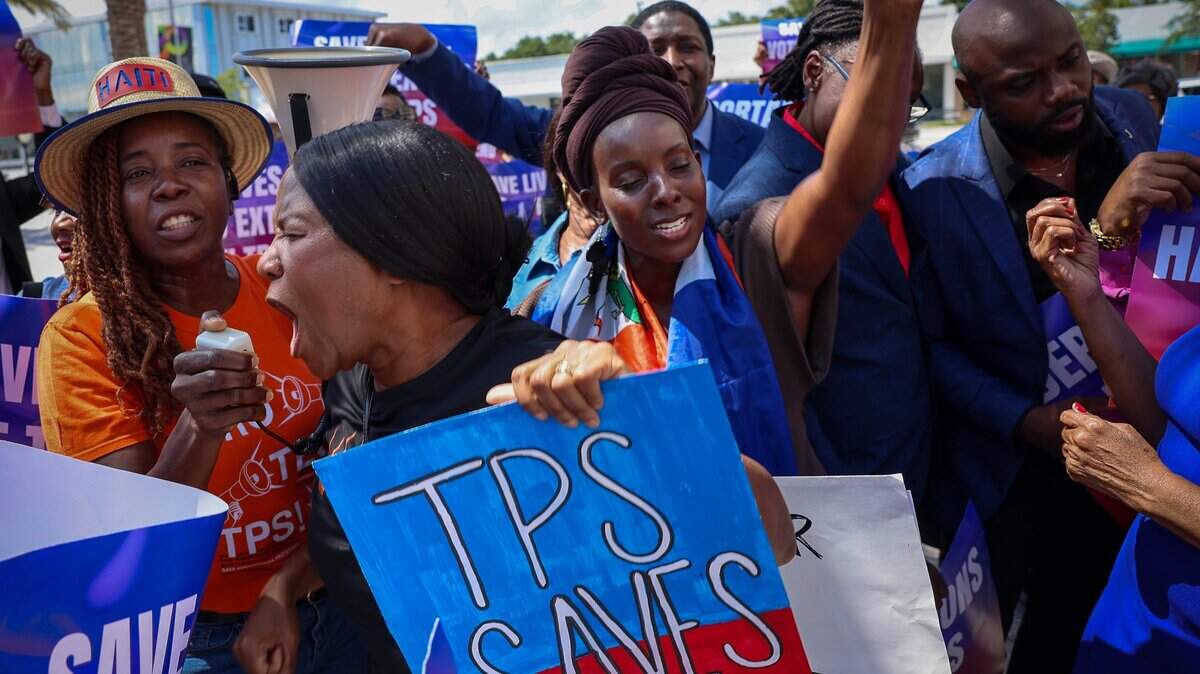
One of the groups that we worked with was Haitian migrants who started coming to the border city of Reynosa (across from McAllen, Texas) around 2022. Some of these families are now at risk of being deported back to Haiti after the Supreme Court recently allowed President Donald Trump to end Temporary Protected Status (TPS) for almost 350,000 people from the island nation.
While at the border, I worked with numerous individuals whose stories were quite harrowing. Most were not coming directly from Haiti but had previously lived in Brazil or Chile and were seeking refuge in the United States.
I found that Haitians were some of the most resilient people I had ever met. Imagine having to flee Haiti due to national disasters and crime, move to a country like Brazil or Chile, and then make a trek by bus — or sometimes by foot — all the way to the U.S.-Mexican border, all while having to deal with racial discrimination by local officials and organized crime.
Most of us in the United States cannot even begin to imagine the level of resilience that would take. I met a man who was deported the first time he came to the border and was sent back to Haiti. Shortly after arriving in Haiti, his car driver was shot right in front of him. He then made the journey back to Mexico for a second chance to try to apply for legal entry.
It also takes a certain level of resourcefulness and intelligence to be able to maneuver throughout an entire continent to try to find a safe place for your family. Unlike what some conservative commentators and Trump officials would state, these are not individuals who are coming to just take benefits and live off the system (and, it should be noted, those on TPS do not even qualify for most federal benefits).
The Haitians I encountered had faith that God would provide for them. It was the same faith that guided them throughout their entire difficult journey. They hoped and prayed to make that final journey and find some safety and stability in the United States.
The Supreme Court made a deeply flawed decision to allow Trump to end TPS for Haitians. It’s clear from the president’s comments about Haitians — including accusing Haitian immigrants of eating pets in Ohio — that this decision was driven by racial animus.
Haiti is a dangerous county, with high violent crime rates. The U.S. will not even allow commercial airlines to fly there, yet we are going to deport hundreds of thousands of immigrants back to the country? We must reflect on the horrendous decision we are making.
Haitians — like so many other immigrant groups, with their resilience, resourcefulness and sense of hope — are the type of people who make America better. We need much more of their spirit and less of the xenophobia that’s flooding our nation and our state.
Will McCorkle is a social studies education professor at the College of Charleston and an immigration advocate. He has worked extensively with asylum seekers at the U.S.-Mexican border, Venezuelan-Colombian border and the Darian Gap.