
What Types of Debt Qualify for Debt Relief?
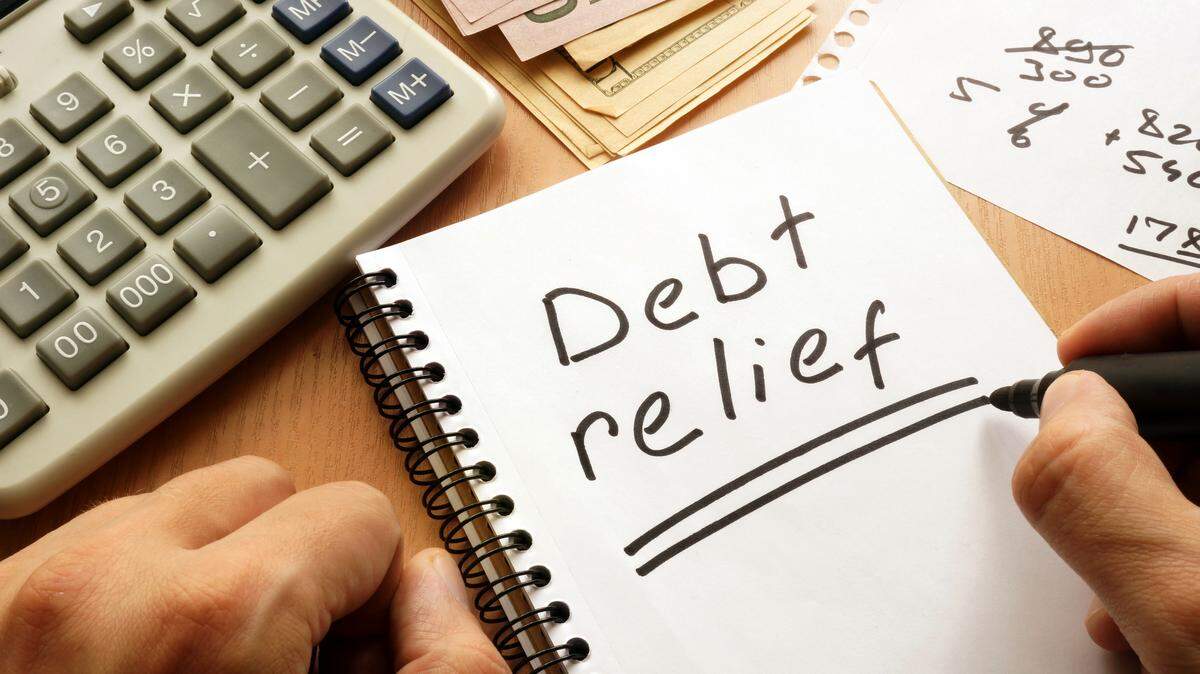
Last year in the US, household debt increased by $147 billion to reach $17.94 trillion. If you’re part of one of these households with more debt that you can pay, you might be looking into debt relief programs to lessen the burden.
But what if your debt doesn’t qualify for debt relief? Read on to understand what kind of debt can qualify for debt relief, and the alternatives you can take to become debt-free.
What is debt relief?
Before we get into the types of debt that qualify for debt relief, you might be wondering what debt relief is and how it differs from other types of help available for people who are no longer able to pay their debt. While the term “debt relief” is sometimes used as a blanket term, there are some important differences to note between the concepts of debt relief, debt consolidation and a debt management plan.
Debt relief specifically refers to a process known as debt settlement, in which lenders agree to accept less money than you currently owe. Creditors may be willing to acquiesce in order to receive some money back rather than not receiving any payment at all. Negotiating with these companies can be a time-consuming process that requires some expertise.
While you can do it yourself, debt settlement companies focus specifically on handling the direct negotiations for you. Usually, debt relief companies charge between 15% and 25% of the amount of debt settled and cannot charge any fees until a settlement with your creditor is achieved.
However, your debt must fall under one of the categories that qualify for debt relief.
Types of debt that qualify for debt relief
The only type of debt that qualifies for debt relief is unsecured debt. Secured debt is any debt that uses collateral — such as a car or home — to secure the loan. If the borrower defaults on the loan, the lender can use the collateral to pay the debt. Other types of debt, known as unsecured debt, do not involve collateral and therefore can qualify for debt relief.
Credit card debt
The most common type of unsecured debt — and the most common debt applicable for debt relief — is credit card debt. There is more than $1 trillion in credit card debt in the US alone and most people owe across multiple accounts. Aside from debt relief, other programs, such as credit card hardship programs and debt consolidation loans, can also help you lower payments or lump your payments into a single monthly payment.
The average U.S. college student graduates with more than $2,000 in credit card debt. The median credit card debt in the U.S. overall is $3,000. According to the Federal Reserve Bank of New York, credit card debt in the U.S. rose to a record $1.13 trillion in 2023, with overall household debt rising to $17.5 trillion as a result.
Medical debt
The second most common type of debt applicable for debt relief is medical debt. This type of unsecured debt can build up from medical bills, chronic or life-threatening diseases or even a single medical emergency. According to the Survey of Income and Program Participation (SIPP) 1 in 12 adults owe medical debt and people in the US owe at least $220 billion in medical debt.
In the United States, medical debt has been found to be the primary cause of personal bankruptcy, even among those with insurance coverage. Medical debt is considered an non-priority unsecured debt in Chapter 7 bankruptcy and is usually discharged rather than paid back in full at the conclusion of the bankruptcy process.
Unsecured business loan debt
Business loans can be secured by collateral the business owns or unsecured. These types of loans can be an appealing option for a startup that does not own significant physical assets. However, unsecured business loans can incur additional risks and thus are usually subject to higher rates of interest and more stringent requirements.
Student loan debt
Unlike scholarships and most grants, student loans must be repaid and can result in defaults. Student loan debt in the U.S. totaled $1.773 trillion in 2024, with 42.7 million student borrowers holding some type of federal loan debt. Some debt relief programs can apply to student loan debt, including federal programs such as the Public Service Loan Forgiveness (PSLF).
Unsecured personal loan debt
Unlike mortgages and auto loans, personal loans have the option to be secured or unsecured. This means some types of personal loans are eligible to apply for debt relief.
Unsecured personal loans come in a wide variety and are often used for vastly different reasons, including advances on paydays, cash for a vacation or boosting your credit score.
The most common reasons for an unsecured personal loan that can lead to an outstanding personal debt can include:
- Medical expenses: Although medical debt is a separate kind of debt, some may decide to take out a personal loan to pay off the medical debt. This can be done because the personal loan offers a better rate or the debtor needs to pay off the debt before getting a necessary service from the company to which it owes the money.
- Debt consolidation: Some personal loans can be used to consolidate existing debt into a single monthly payment with a hopefully lower interest rate. This can help the debtor focus on the single payment instead of being overwhelmed by multiple owed accounts.
- Home repairs: Some homeowners can prefer an unsecured personal loan rather than a home equity loan to pay off their home repairs, refurnishings and remodelings. This can be beneficial to homeowners who have a better credit score than they currently have home equity or those who don’t want to risk putting up their home as collateral.
Unsecured personal loans can also have a fixed or variable rate. Unsecured personal loans with a variable rate usually have a bigger risk of being defaulted on, as it is harder to plan for unforeseen rate hikes as the years go by. The variability of uses for personal loans combined with the volatility of rates make variable rate unsecured personal loans a common source of debt and a target of debt relief programs.
Summing Up What Types of Debt Qualify for Debt Relief
Only unsecured debt can be used to apply for debt relief programs. The most common types of debt that qualify for debt relief are credit card debt, medical debt and unsecured personal loan debt. Unsecured personal debt can also come from loans looking to pay medical bills, consolidate debt or make home repairs. Knowing which types of debt qualifies for debt relief can empower you to make the best financial decision based on your situation and get your finances back on track.