
New playoff format means high school football bowl games in Sacramento region
AI-generated summary reviewed by our newsroom.
- Section cuts playoffs to eight teams as seeds 9-12 move to end-of-season bowls.
- Committee aims to reduce blowouts and shorten season by a week.
- Coaches note late timing; section says it will consider more changes.
As anniversaries go, this is a memorable one for high school football fans in certain corners of Placer County.
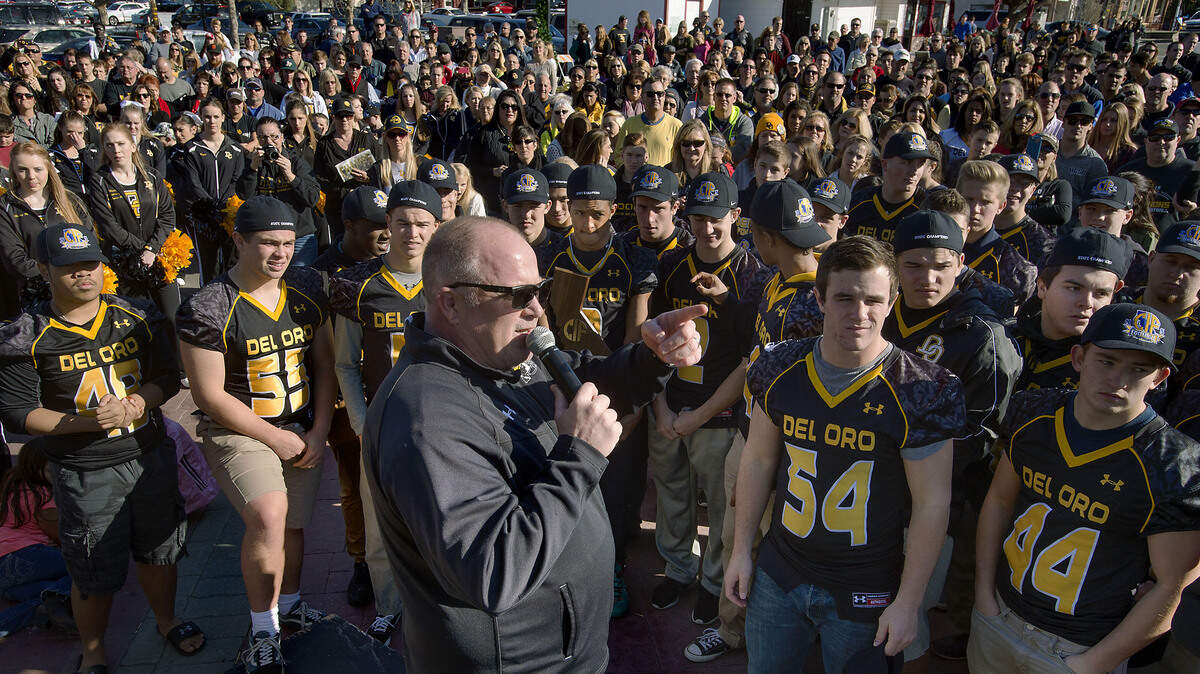
The Del Oro Golden Eagles 10 years ago started the season with two victories and six defeats while navigating a brutal nonleague schedule and the rigors of the Sierra Foothill League. Del Oro finished the regular season at 4-6 and in fourth place in the SFL, which was good enough for a No. 10 seed in the CIF Sac-Joaquin Section Division II playoffs, and then Del Oro never looked back.
The Golden Eagles made history in becoming the lowest-seeded team in state history to win a CIF State championship, punctuated by a celebration at the Train Depot in Loomis that included air horns, confetti and tears of joy, right on down to the mothers wearing the letterman jackets of their sons.
But any measure of that scenario could not happen now, with the sudden change put in place this week to the section playoff format: A No. 10 seed is no longer eligible to participate in the playoff bracket, which has been cut from 12 teams down to eight.
Members schools of the CIF Sac-Joaquin Section overwhelmingly voted to approve a radical change to the postseason format, effective this season.
The design for this change was to shorten the season by a week and to trim playoff brackets. For years, there were 16-team brackets that included scores of opening-round blowouts that required a mercy-rule and running clock in the fourth quarter, if not earlier.
Even with 12-team brackets, the results were mostly grim for lower-seeded teams, particularly those seeded 9-12. Very few ever reached a section final, never mind winning one.
What it all means
What the new format means in brief: Teams seeded 1-8 will be in playoff brackets with a shot to win a section championship. All section winners in California are awarded a CIF Regional Game and a chance to reach a CIF State final.
Teams seeded 9-12 will instead only be eligible to compete in what the section will call a “bowl” game — an end-of-season contest that would happen the same week the No. 1-8 teams have an off-week bye.
The aim beyond avoiding blowout scores is to create more competitive contests, and to allow teams deemed as long shots to cap campaigns with something that feels like a meaningful season-ending contest.
Who cast the votes?
The amendment was initiated by the section’s Football Advisory Committee and passed this week by a vote of 55-2. The votes were cast by the 25 leagues in the section. In addition, the section had 10 affiliated votes — from the section president, president-elect, past presidents and three section athletic directors who were elected by member schools.
Also on the voting panel: two superintendents elected by the section’s board of managers.
The Football Advisory Committee is made up of current football coaches and athletic directors dotted across the section. They include those from small-enrollment schools to largest, and those from public schools and public. The section office plans to make those names public.
Coaches weigh in
Casey Taylor was the Del Oro coach in 2015 when the Golden Eagles defied long odds to hoist state championship hardware. Now in his fifth season coaching at his alma mater of Oak Ridge in El Dorado Hills, Taylor shared the same sentiment as other regional coaches in wondering: Why such a dramatic change, and why it is happening so late in this regular season?
Taylor’s Oak Ridge team, ranked second in the region by The Sacramento Bee, will be a high seed in the upcoming Division I playoffs as the Trojans seek a fourth successive trip to the Division I finals. But he feels for programs who, like his Del Oro group a decade ago, start slow but finish fast.
“I don’t know why (the section) feels a need to change it,” Taylor said. “It seems like we’re always changing things. I’ve had teams that wouldn’t have made the playoffs in this new system that won section titles. Then to put it out on Oct. 8? Shouldn’t it be put in for the following season (in 2026) so teams can adapt, to look into scheduling and such?”
He also wondered: “What are they going to call the bowls? Are they sponsored? Taco Bell Bowl? Toilet Bowls?”
In the Elk Grove Unified School District, Laguna Creek and Elk Grove meet on Friday in a Delta League contest, where a win is crucial for either team to remain in the Division II playoff hunt. Both teams sit at 2-4, needing to finish fast to extend seasons.
But will there be a postseason to pursue? Or a bowl game?
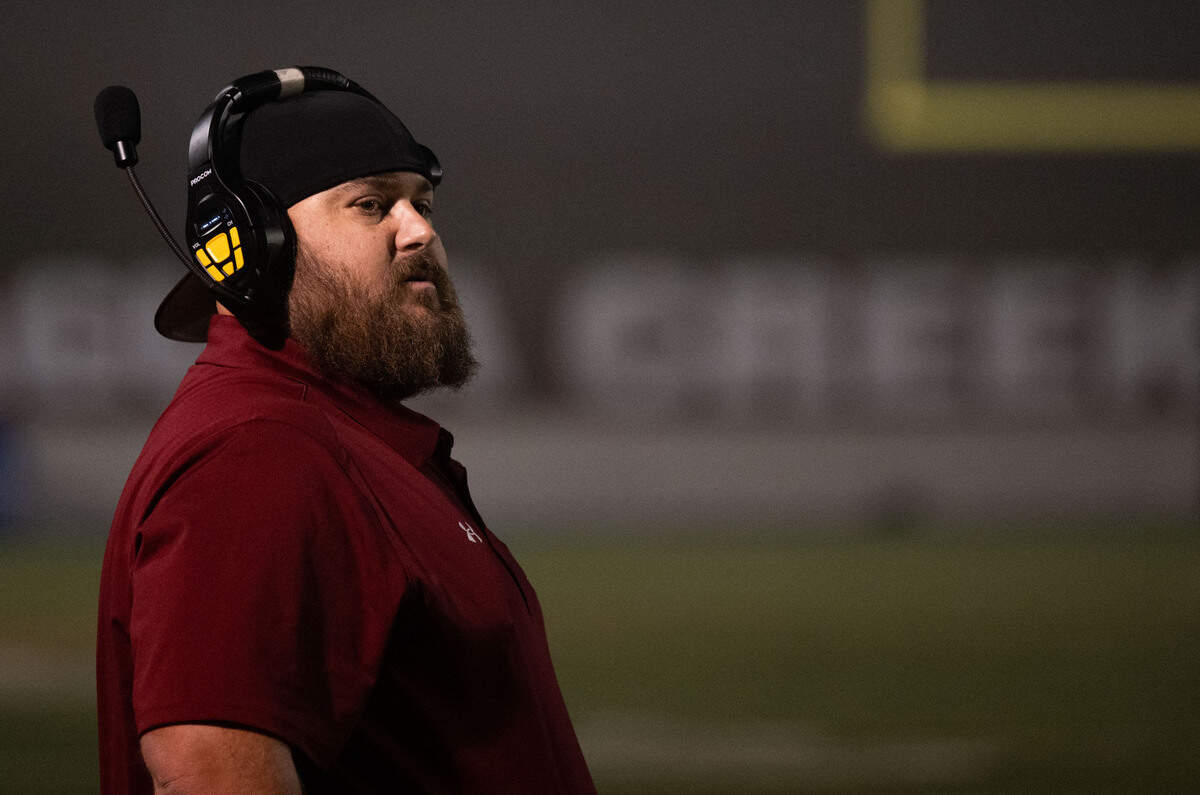
“The idea is solid,” Laguna Creek coach Ryan Nill said. “But you’re going to have way too many quality football teams playing in bowl games in this format. I understand what the section is trying to do, but there are still better ways to make the best postseason matchups division wise, and, to be honest, money-making wise. We are so outdated when it comes to enrollment being the deciding factor in (seeding) divisions.”
Nill and other coaches suggest a “competitive-equity” formula for bowls, which the section said is the plan. The aim is to align teams in a competitive season-ending bowl game, and not by any seeding formula.
“The section would make a killing money-wise,” Nill said. “Our playoffs would be way more exciting. No more blowouts, unless a team is just stupid good like Folsom, and the majority of the bowl games would be competitive and awesome for the schools.”
CIF weighs in
Section assistant commissioner Will DeBoard acknowledged the rarity of Del Oro in 2015, but reminded that teams in that era were seeded by the amount of wins, unlike recent years where strength of schedule and league matters. DeBoard also mentioned another Placer County team that made a run as a low seed, which was, really, the last one to do so.
That was Whitney of Rocklin in 2019, a team that was seeded ninth and reached the section Division II finals, falling to Elk Grove. In the new format, at No. 9 seed would not be eligible for the playoffs and only a bowl game.
Any notion that the section office that includes DeBoard and commissioner Mike Garrison and others as the only ones who worked on this plan is not accurate. Nor is it accurate to suggest this playoff change is a money-grab, as DeBoard reminded that all playoff revenue goes back to the section’s member schools. DeBoard also said that changes could be made to adjust the new bowl concept in coming seasons, if member schools push for change.
“We’re a bottom-up organization,” DeBoard said. “Pretty much what we do in everything comes from one of our schools, or advisory committee, and if there’s a league out there that says this format is horrible, they can make a proposal.”
He added, “What we’ve come up with, and we liked it too (in the section office), is ‘All right, this is intriguing with bowls.’ We came up with a model similar to the California Community College playoff model, allowing schools a chance to play in a one-off bowl while the top seeds compete in the playoffs. For us, we can come up with competitive games to end seasons for a lot of teams now.”
Famed coach likes bowl game season-enders
At Granite Bay High in Placer County, Joe Cattolico stands as a rarity. He is old-school, preferring the old-school model of playing for league championships, and then season over. The idea of capping a season with a bowl game interests him, though he is mindful of the popularity of football, of the curiosity and zest of players, schools and communities to compete in playoff brackets.
“I’m an outlier, one of probably seven people in America who like the old traditional college bowl games,” said Cattolico, whose Bee-ranked No. 3 Grizzlies figure to be a high seed in Division II, thus making them eligible to compete for a section title.
“Part of my measuring stick, when watching college bowls, is a team could be in the Holiday Bowl in San Diego and not be in the football playoffs, and when they win that bowl game, players do not look sad. What happens at our level is most teams walk off the field at the end of the season feeling dejected with a loss. There’s value in dealing with defeat in life, but there’s also value with a chance to win your last game.”
Cattolico and other coaches have said that the section’s idea of shortening the season is a wise one, as long as it doesn’t cut into the 10-game regular season that has been a fixture since the 1960s. As it stands now, this section has 11 weeks to play 10 regular-season games. Section teams start football practice in July, the hottest month on the calendar, when for decades practices did not start until August.
“I’m in favor of a tweak that starts practice a week later, which for me is a win,” Cattolico said. “We shouldn’t be starting practices in July.”
He added of the new playoff wrinkle, “It’ll be interesting to see how it works.”
That is a sentiment shared by all.
This story was originally published October 9, 2025 at 12:42 PM.