
What the new CBA agreement means for the NFL, players and the 49ers
There will be labor peace for another decade in the NFL.
That’s because the NFL Players Association over the past two weeks finalized a vote to ratify the collective bargaining agreement that was set to expire after the 2020 season. The new deal, narrowly passed in a 1,019 to 959 vote, will be in place through the 2030 campaign.
The 49ers now have some clarity on how to operate in the immediate future, with the new league year schedule to begin Wednesday with the early negotiating period for free agents starting Monday at 9 a.m. PDT. The league on Sunday decided against pushing things because of the ongoing COVID-19 crisis that’s led to a number of teams, including San Francisco, to close facilities.
The salary cap is projected to be $198.2 million, according to NFL Media, which is down slightly from the $200 million estimates, but is still roughly $10 million more than last season. The window to give pending free agents the franchise tag is expected to close just before 9 a.m. Monday morning.
What’s new in the CBA?
The headline from the new agreement is the chance to add a 17th game to the regular season schedule. It won’t happen in 2020, but it appears set for either 2021 or 2022, when the NFL and its television partners are set to have a lucrative new broadcast deal in place.
With an odd number of games, how will the home and road splits be figured out? That question remains unanswered, but it will certainly be a hot-button discussion point as some teams will have significant advantages over others. International games with neutral sites could also factor in.
The league is also reportedly considering added a second bye week to the regular season schedule. The preseason schedule will shrink to three games once the 17-game schedule is implemented.
▪ In the immediate future, there will be two teams added to the playoff field starting in 2020, making 14 clubs total. There will be six games on Wild Card weekend as opposed to just four previously. Only the No. 1 seed in the AFC and NFC will get first-round byes after the top two seeds did under the previous format.
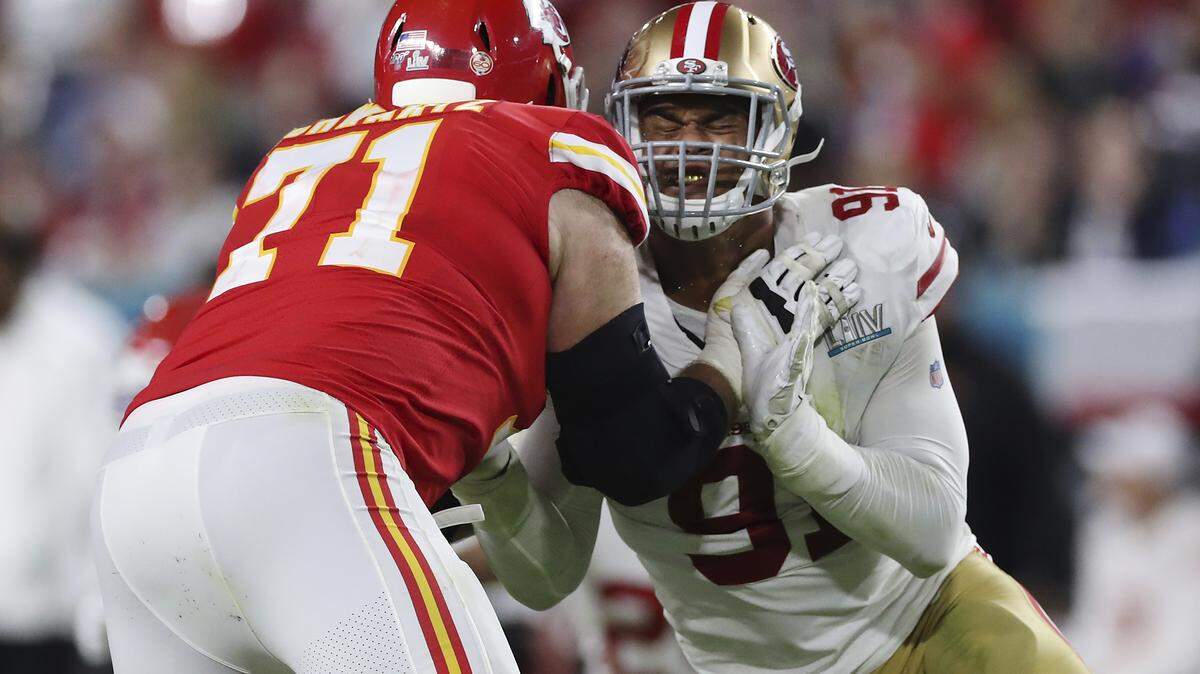
The bye has proven to be a massive advantage when it comes to football in January. The winners of the last seven Super Bowls had first-round byes. Both the 49ers and the Chiefs did this past season before meeting in Miami.
▪ Salaries are getting a significant bump. Players on minimum contracts compose more than half the league. Players will less than a year experience will have their salaries increase from $510,000 to $610,000. That minimum salary could double over the life of the CBA in 2030. Veterans on different pay brackets are also expected to see their salaries increase by some 20 percent.
▪ Rosters are going to expand. The gameday roster will have two more active players and move to 48 while eight must be offensive linemen. The 49ers had seven available offensive linemen throughout the majority of the 2019 season.
▪ Practice squads will immediately increase from 10 players to 12 and 14 in 2022. Their salaries are set to increase substantially and they will have access to 401(k) plans. Up to two practice squad players each week could be added to the active roster, essentially giving teams the option of having 55 players available. And practice squad players can be shuttled between the active roster and back twice before being subjected to waivers, which could create more stability.
▪ The league will be softening its stance on marijuana. Positive tests for THC will not get suspensions. Rather, a newly created board of medical experts will determine if a player requires treatment based on THC levels. The league will only test for the drug during the first two weeks of training camp.
▪ The number of padded training camp practices is going to be reduced substantially from 28 to 16, and a team cannot have three consecutively. Padded practices will also be curtailed during the regular season.
How does the agreement impact the 49ers?
The CBA’s ratification is expected to open roughly $700 million in spending on players throughout the league, which should give the 49ers more flexibility when it comes to long-term contracts. They currently have between $12.8 million and $18.6 million in salary space, depending on which estimate you look at.
But the new agreement should allow new television deals to crystallize, which could lead to a dramatic salary cap spike in 2021 and 2022, which could allow San Francisco to structure deals for players like George Kittle and DeForest Buckner with large cap numbers during those seasons and not eat into their space this spring with Elk Grove’s Arik Armstead, Emmanuel Sanders and Jimmie Ward slated for free agency.
Either way, don’t expect the 49ers to be aggressive with big names on the free agent market. The team is prioritizing its incumbent players as it hopes to keep the championship window open.
This story was originally published March 15, 2020 at 1:09 PM.