
Build smarter in Natomas basin
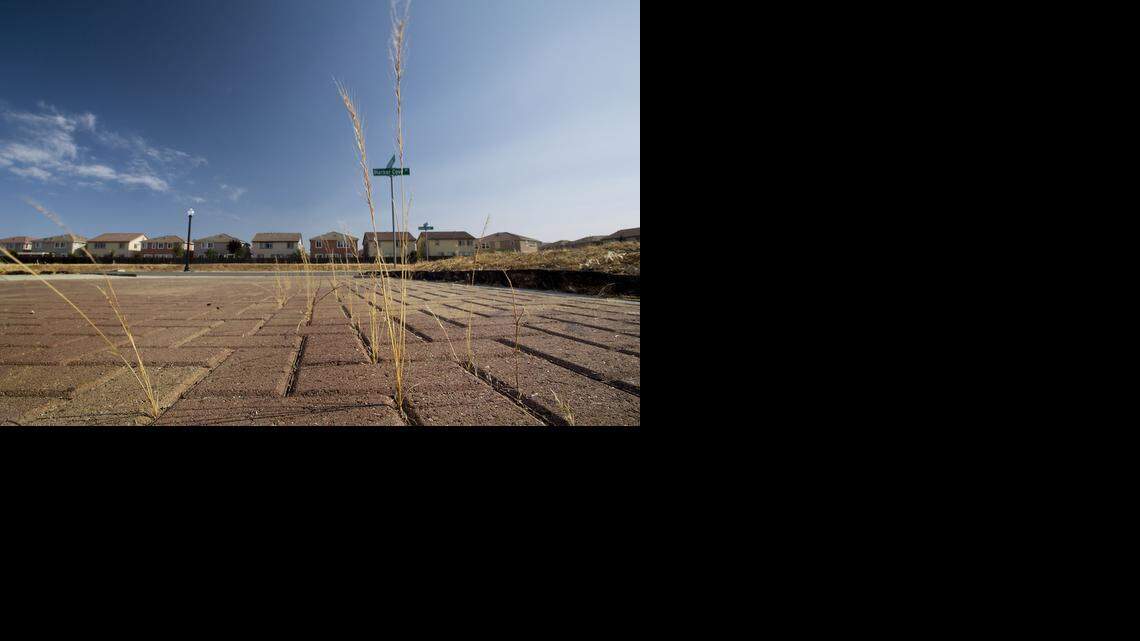
The return of major construction in Natomas is finally on the horizon, thanks to the shoring up of levees protecting the basin from floods. It’s a long time coming, but the delay also presents an opportunity to do development differently – to do it smarter.
The Sacramento region doesn’t need too many more of the sprawling, cookie-cutter subdivisions put up in the housing boom before the building moratorium took effect in December 2008.
Instead, we should be aiming for more sustainable development. That means energy-efficient homes and commercial buildings that take advantage of the latest technology. There should be fewer lawns and many more drought-tolerant yards, plus smart meters so homeowners can track their water use. The goal should be more transit-friendly projects to reduce car trips and carbon emissions.
That’s also the vision of city officials including Angelique Ashby, the City Council member who represents Natomas. She said while it will remain largely a bedroom community, new development must reflect new realities since the moratorium. “It’s been so long, we really are in a different place,” she said in an interview with a Bee editorial board member.
While City Hall can nudge and cajole, it’s developers who will largely determine what gets built, based on the market and what buyers want. They plan to take a go-slow approach. “Builders will just have to put their toes in the water and see what happens,” one developer told The Sacramento Bee’s Matt Weiser and Tony Bizjak, apparently without a hint of irony.
Development in Natomas came to a screeching halt when Federal Emergency Management Agency officials found that water could seep through the levees around the basin, ringed by two rivers – the American and Sacramento – and two creeks. FEMA requires elevating structures above flood depth – a sizable cost that effectively led to the moratorium.
It has taken yeoman’s work and tens of millions of dollars to lift the building restrictions. Natomas residents helped fund $410 million in upgrades along 18 miles of levees done by the Sacramento Area Flood Control Agency. The other 24 miles of work, costing $760 million, is to be completed by the U.S. Army Corps of Engineers, which finally got authorization from Congress and the president last June after intense lobbying by local members of Congress and elected officials.
When the moratorium is lifted – as soon as in June – the city plans to phase in development, starting with fire-damaged and half-finished structures. Then will come new projects that have site work and city approvals. There are about 5,000 residential units eligible, but city planners expect only 1,000 to be built within the first year.
It’s good that there will be more living options close to downtown Sacramento. City Hall and the regional economy certainly could use the revenue boost from construction.
It would be even better if we learn lessons from the housing crash, and if the new development helps us accelerate water conservation and climate-change goals.
This story was originally published January 7, 2015 at 4:00 PM with the headline "Build smarter in Natomas basin."