‘It’s a nightmare.’ The downtown jail incubates dangerous inmates and unleashes them on us
READ MORE
The dangers of Sacramento County Main Jail
The Sacramento County Main Jail is like a hub of trouble, with mistreated inmates inside who, when released, sentence downtown streets to danger.
Expand All
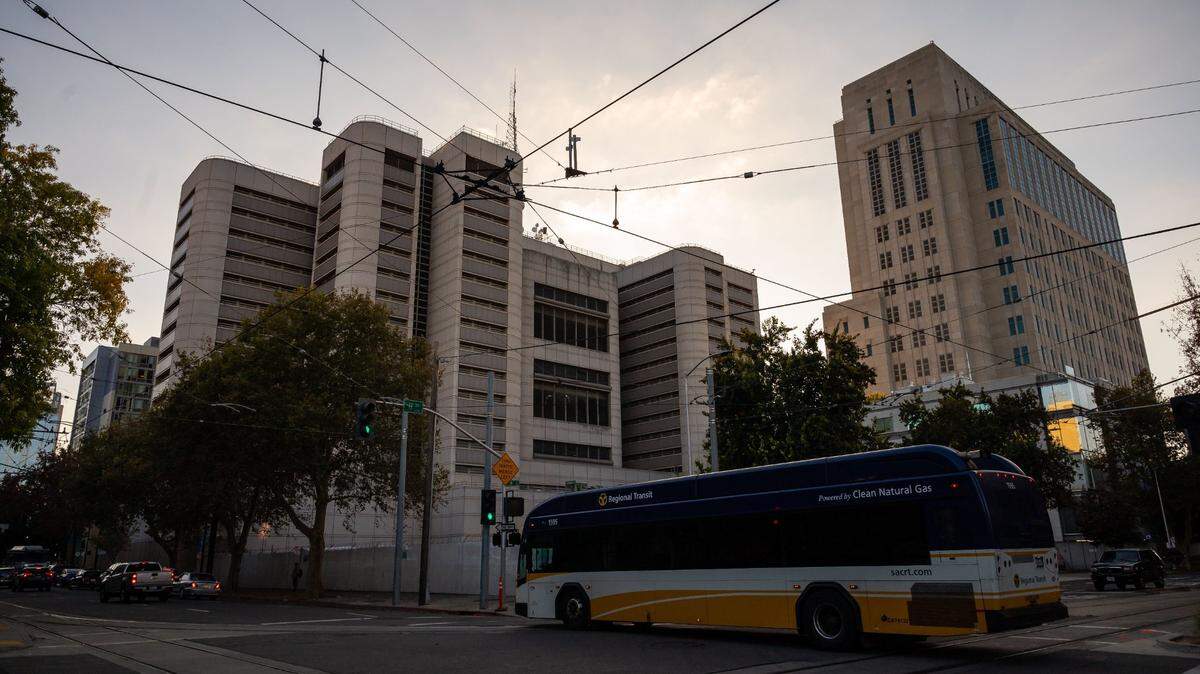
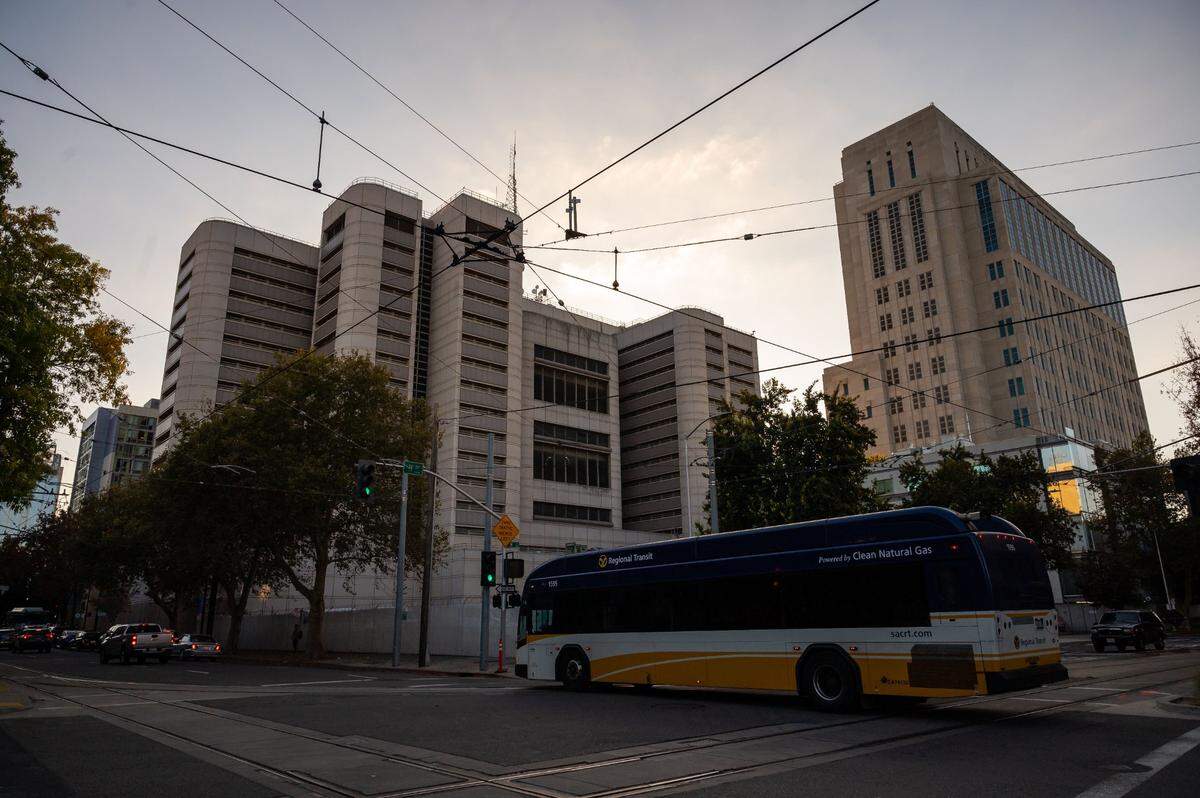
The Sacramento County Main Jail at Sixth and I streets is a disaster.
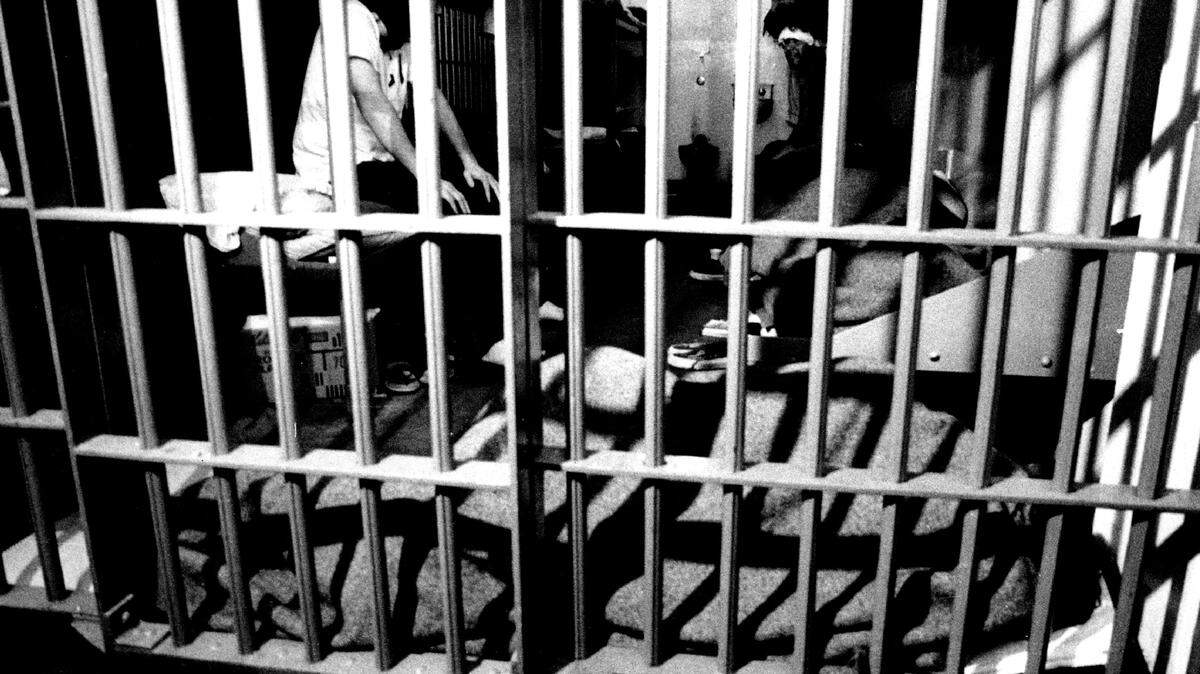
Mentally ill inmates are kept there in psychologically destructive conditions marked by solitary confinement and overcrowding. It has a fundamental lack of mental health and suicide prevention services mandated by federal court orders but not provided by the county.
That’s inside. Outside, the jail becomes a public safety threat to downtown Sacramento and neighboring communities once inmates are turned loose – for a time without bail – on city streets and unsuspecting victims.
This confluence of trouble is years in the making and, in a way, is the result of the radical realignment of the state prison system that began a decade ago with the goal of cutting the population of inmates in state prisons. That worked, but it also pushed more mentally ill inmates to county jails.
A downtown jail in Sacramento became a prison that it isn’t equipped to be. It became a dumping ground where suspects arrested in Folsom, Citrus Heights or anywhere else in the county are incarcerated and then released in downtown Sacramento, often joining the ranks of homeless people in the urban core of the capital of California.
This has made the hideous, eight-story building in downtown Sacramento, which recently has housed between approximately 1,800 to 2,300 inmates, a vortex of societal ills. Here criminals from other communities are housed then released to afflict people and businesses with the misfortune of being within walking distance from where perverse and cruel incarceration produces people who were sicker walking out than they were walking in.
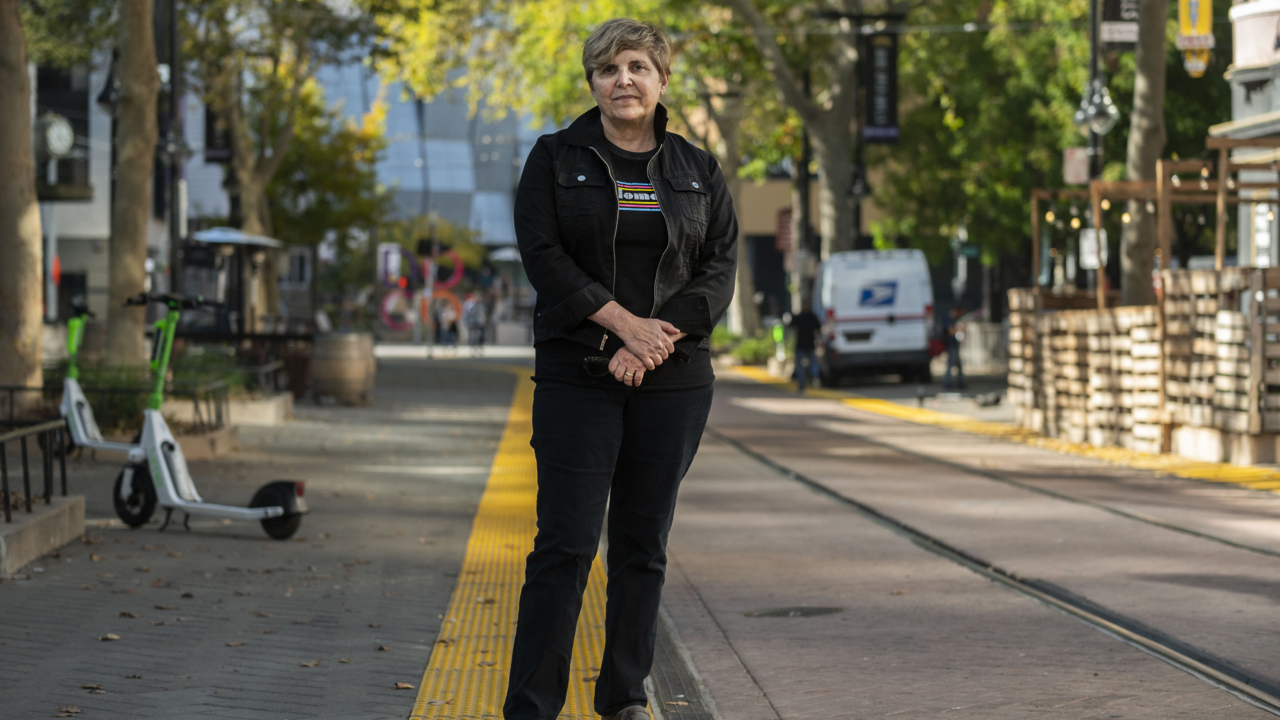
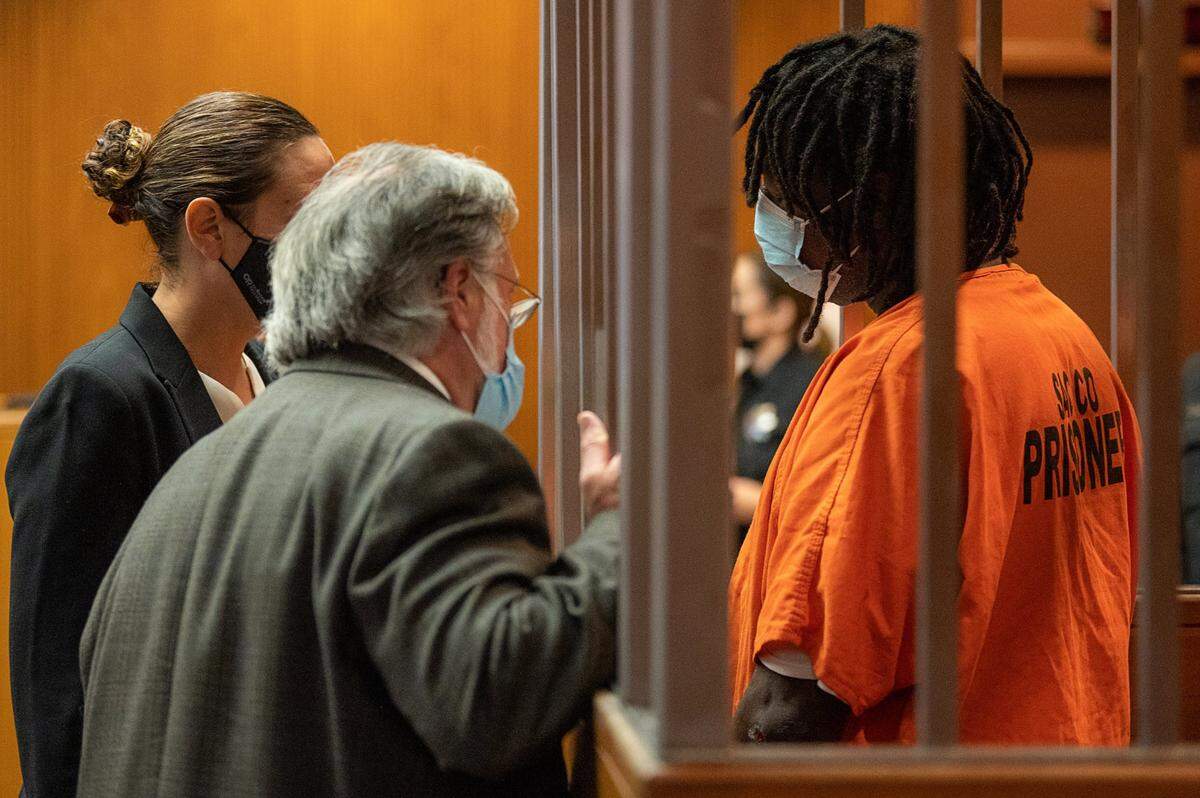
Aaron Fischer is an East Bay-based lawyer who has worked to improve jails around California. He was part of a class-action suit filed against the county.
“The Sacramento County Jail is in many ways unique in the harshness of its conditions of confinement,” he said.
A hub of trouble
Even before the current jail was completed in 1989 for $80 million, crime suspects had been arrested around the county and then transported to downtown Sacramento. Then, when their time was up, they ceased being Folsom’s problem or Rancho Cordova’s problem or the problem of any other community in the county where suspects are arrested. They became downtown Sacramento’s problem.
What is the practice of releasing county-wide crime suspects in downtown Sacramento, many of them mentally ill or addicted to drugs, but a way for Sacramento County communities to dump human beings in the urban core of the capital of California?
“This has been a problem forever,” said Rick Braziel, former police chief of Sacramento. “This was a problem back in the late ’70s. All folks get released downtown. It’s like a shuttle service for people who get arrested (in other communities.)“
The jail is downtown because of its proximity to the courts, the public defender’s office, the district attorney’s office.
But convenience for the collective law enforcement community is a nightmare for downtown Sacramento and surrounding communities.
The downtown jail is obsolete. It was built before the Americans with Disabilities Act of 1990 and the Health Insurance Portability and Accountability Act of 1996. The jail has been hopelessly out of compliance with both laws for years with no hope in sight for improvement. The jail is the main intake facility in Sacramento County, although some inmates are housed at the Rio Cosumnes Correctional Facility in Elk Grove. The main jail was designed to hold 1,250 inmates. That population has gotten as high as 2,300 and was at 1,854 as recently as Sept. 22, according to court documents.

Sacramento County Supervisors recently pumped the brakes on adding an annex to the jail, and for good reason. Dumping more money into the jail, even if it comes from the federal government or other sources, is not going to change anything.
Ann Edwards, the new CEO of the county, has commissioned an expert who will provide a report on the next steps early next year.
“It’s been very difficult to retain enough health care staff,” she said. “Our salaries are not competitive with other institutional settings, but we’re looking at ways to address those salary issues soon.”
Edwards is the most accessible CEO Sacramento County has had in years, and there is no doubting her sincerity. But even she admits the problems posed by the jail are “a heavy lift.”
Braziel said he remembers from his days as the inspector general of Sacramento County how demoralized jail employees felt every day. There were simply too many mentally ill people in too small a space with too few people to care for them. According to court documents, it is estimated that as many as 30% of prisoners at the main jail suffer from mental illness.
In his law enforcement career, Braziel said, jails have become like prisons. The problem for Sacramento is that this virtual prison is right downtown.
“The jail holds people with significant mental health needs in settings that are counter-therapeutic and harmful,” said Fischer, the East Bay-based lawyer. “It’s a nightmare for our clients, and it’s a nightmare for staff members whose job it is to provide adequate care. A key intention of our case is to get the county to take a hard look at the longstanding status quo at the jail and to realize ‘We have to do better.’”
Problems inside and out
The suit, filed in 2018, resulted in a settlement and a consent decree that spells out a timeline for the county to improve its medical care, nursing care, mental health services, suicide prevention and a host of other services to improve conditions inside the jail.
But on Oct. 29, Fischer and other lawyers representing inmates informed county leaders that they were failing to comply with the consent decree.
What is supposed to be an 18-bed mental health unit in the jail is instead described by mental health experts as a solitary confinement unit. Twenty people at a time can be on an acute care waiting list and languish for days, in isolation, before getting inadequate treatment.
Deplorable conditions marked by isolating mentally ill inmates in the downtown jail are not well known outside the community of activists suing and pushing the county to end incarceration practices considered outdated by mental health experts.
“The use of segregation in the Sacramento County Jails is dramatically out of step with emerging national standards and practices and with what the research tells us about the dangers of segregation regarding placing mentally ill inmates in segregated housing,” wrote former state prisoners director Eldon Vail in 2016.
Yes, that was five years ago.
What happens to the surrounding community when jail prisoners subjected to this mistreatment walk out of the jail and into the heart of downtown Sacramento? This is also not widely understood unless you live and work in Sacramento’s urban core.
This reality could have become clearer to greater Sacramento in September. Kate Tibbitts was brutally attacked and killed in her Land Park home, and Troy Davis, a 51-year-old homeless parolee, has been charged with murder. He is also accused of breaking into her home, killing Tibbitts’ two dogs and attempting to set her house on fire.
But instead of drawing a straight line between the downtown jail and the danger posed by some prisoners released from a bleak, overcrowded facility, the Tibbitts killing triggered public debate about the practice of releasing some suspects from jail without bail.
Sacramento County Sheriff Scott Jones used the Tibbitts case to score partisan political points. He took to his Facebook page: “(Kate) did not have to die. .. You see, the suspect was arrested this summer for a felony and then unceremoniously released under the darling of social justice warriors – ’zero bail.’
“Let me be clear where the blame lies: Liberal, anti-public-safety policies.”
California’s liberal state legislature was shaken so much by the Tibbitts death that a bill to make it easier for inmates to bail out of jail was tabled until next year.
The public was outraged by Davis’ presence on Sacramento streets even though his release from the downtown jail may have had nothing to do with “zero bail” at all.
As reported in September by The Bee’s Sam Stanton: “Davis could have been held as a parole violator and had his 2017 conviction for assault with a deadly weapon used as the underlying charge that would determine whether bail was required.
“The court’s bail schedule calls for $50,000 bail for that charge, but no one in the Sheriff’s Office called the court before releasing Davis without bail, spokeswoman Kim Pedersen said.”
As Tibbitts’ death slipped out of the news cycle with the passage of a few weeks, the fury it inspired overlooked the simple danger the jail poses to the prisoners it incarcerates and, regardless of the bail, to the safety of Sacramento residents once those prisoners are released.
Spilling into the streets
That doesn’t mean zero bail has not had an effect, exacerbating a current problem by pouring dangerous inmates from the troubled jail onto the streets.
COVID-19 emptied the downtown of most of its employee base of state workers in March 2020 and emptied the jail of many prisoners in an effort to stem transmission of the coronavirus within the jail population. Former inmates who are mentally ill and suffering addiction to drugs have been released and re-arrested repeatedly.
In April 2020, California’s Judicial Council adopted an emergency zero-bail schedule to cut down on the jail population. According to the office of Sacramento County District Attorney Anne Marie Schubert, this schedule authorized zero bail for all misdemeanors “and many felonies, including certain gun crimes.”
By May 2020, The Bee reported that the population in the downtown jail had dropped by more than 30%.
What happened then?
Schubert’s office estimated that 5,100 inmates were released on zero bail between March 18, 2020, and Sept. 1, 2021. Of those, Schubert’s office said, more than 1,700 have been re-arrested after being released on zero bail. Some of them have been arrested multiple times. The 1,700 people re-arrested have accounted for more than 4,400 arrests.
More releases are being contemplated by the county now that 35 inmates there tested positive for COVID-19 last month, according to the Sacramento County Sheriff’s Office.
Other cases
The Tibbitts killing is not the only heinous crime involving a recently released prisoner whose presence on the streets was a threat to the public. According to the district attorney’s office, Kayshaun Devon Slayton is currently charged with the Dec. 14 murder of Angel Jovan Cervantes after having previously been released on zero bail following a May 2020 arrest for fleeing a peace officer and carrying a concealed weapon, a Glock 31.
Slayton is accused of shooting Cervantes to death.
Ezell Thomas was arrested for weapons offenses in July 2020 and released on zero bail, according to officials within the district attorney’s office. He failed to appear at a September court hearing, according to the DA’s office. He was arrested in May after his 4-year-old child allegedly found his loaded gun and accidentally shot himself in the arm.
Thomas has subsequently been convicted of the original gun charge and child cruelty.
Alan Ray Vaughn was charged with the March 21 killing of Julian Villa after having been previously convicted of possession of a firearm. He was released on zero bail due to the emergency zero bail schedule last December. According to court documents, Vaughn fatally shot Villa with a 9mm semi-automatic handgun while Villa sat in his car.
Sirmichael Alexander Dyess has been charged with attempted murder for allegedly attacking an employee of the Fox & Goose restaurant and beating him with a rock on Sept. 8. People who know the victim said he suffered serious physical injuries and profound emotional distress. They said he was just a downtown employee headed home when he was attacked and beaten.
Dyess is also suspected of hurling metal chairs and terrorizing a patio full of diners at Solomon’s on K Street in August.
“It was a Saturday,” said Jami Goldstene, co-founder of Solomon’s. “Our patio was full. We had children on the patio. We had a customer who was in a wheelchair, and there was all of a sudden some commotion and a very agitated gentleman on the patio right next door to us picked up a chair and threw it, narrowly missing the woman sitting in a wheelchair and a child in a high chair.
“Before we could do anything, he picked up another one and threw it. We were able to catch that one.”
Goldstene added: “This one was especially terrible because it threatened our customers’ safety and the safety of my staff.”
Businesses cope with criminal element
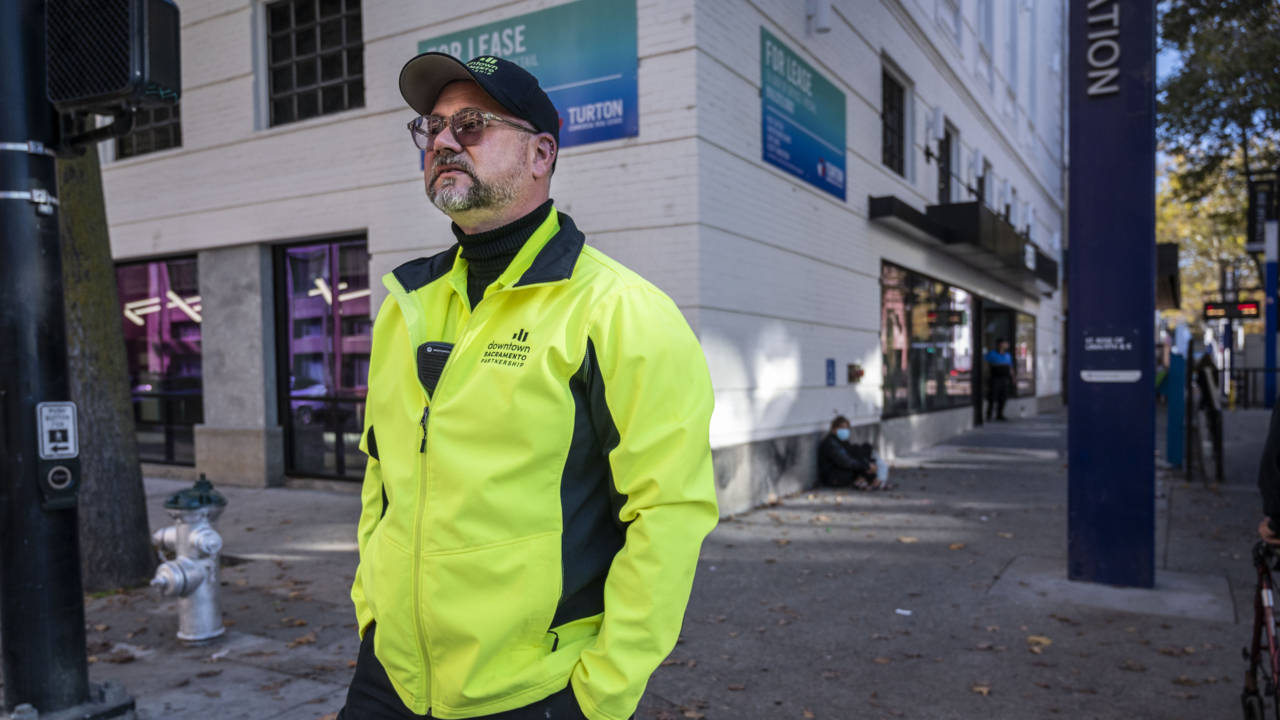
Shawn Peter works for the Downtown Partnership, a coalition of downtown businesses. He is on the streets to respond to merchants who need help. He’s been doing this work for more than 20 years, and he said the state of downtown is as dire as he has ever seen it.
On Aug. 5, he said, he was trying to de-escalate a situation in which a homeless man he has seen on the street many times suddenly punched him in the jaw. The suspect was arrested by city police and identified as Donald James Frueh. The suspect was released rather than sent to jail for a misdemeanor as he awaited trial, a decision made because of COVID concerns and overcrowding at the jail.
“It makes me extremely angry,” Peter said.
“I’m trying to be the better person and not doing anything to endanger myself or my team,” Peter said.
Peter said he didn’t suffer a concussion when he got hit, but his jaw was swollen for a time. Then he got a bill for $300 from city firefighters who responded to his incident.
“I saw him again in September,” Peter said of the homeless man who punched him. “He was on the other side of the street screaming at me.”
Frueh is now incarcerated at the main jail on felony assault with a deadly weapon charge stemming from an altercation he allegedly had with a man in Old Sacramento.
The need to decrease the population at the main jail is self-evident, but so is the need for more public safety. On Oct. 1, the Superior Court of Sacramento tightened its emergency felony bail schedule. Despite this, repeat offenders are an issue for everyone in downtown Sacramento. Until or unless law enforcement and county officials address this crisis, the prisoners inside the jail and people outside the jail will continue suffering.
Goldstene said she and other business owners have issues “every single day.”
“Several of our customers told me they would never come back downtown, and I cannot blame them,” she said. “You don’t normally take your life in your hands when you’re going out to brunch.”
This story was originally published November 10, 2021 at 5:00 AM with the headline "‘It’s a nightmare.’ The downtown jail incubates dangerous inmates and unleashes them on us."