
The Plant Lady: Merry Christmas! Here’s how to take care of that cactus you just got
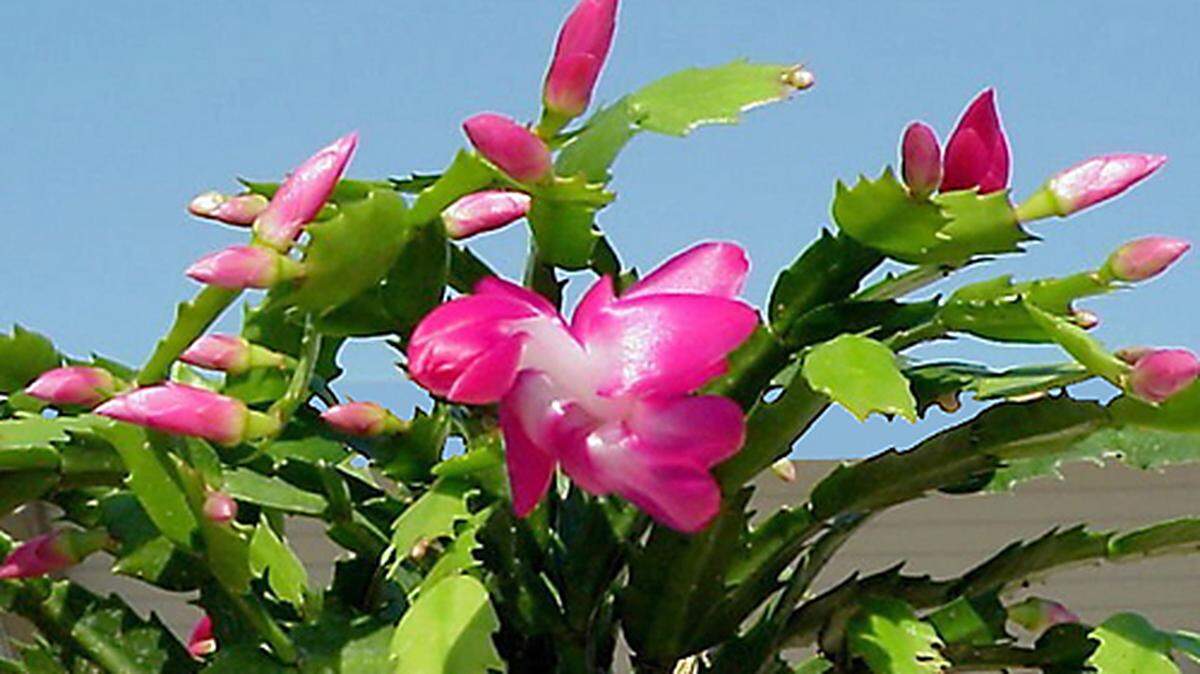
From the amount of questions I receive regarding them, I’m pretty sure the Christmas cactus is going to overtake the poinsettia as the most purchased holiday plant — at least in the Sacramento region. First, I need to address the confusing name of this plant. The out-of-date Latin name is Zygocactus, which is still often used in the nursery industry. The current Latin name is Schlumbergera.
▪ There are two commonly sold species of Schlumbergera, commonly known as Thanksgiving cactus and Christmas cactus.
▪ Thanksgiving cactus is S. truncata, and has significant points/protrusions on the stems.
▪ Christmas cactus is S. x buckleyi or S. bridgesii, which can be distinguished by its smoother stem margins
To add further confusion, the Thanksgiving cactus is what is most often sold as the Christmas cactus. Most likely this has occurred due to the slightly earlier bloom time for the Thanksgiving cactus, allowing nurseries to saturate the market with them earlier than the actual Christmas cactus. Luckily, cultivation practices are the same for both species.
Schlumbergera species are native to the rainforests of Brazil, where they grow as epiphytes. Epiphytes are plants that do not grow on the ground/soil, but instead grow up in the canopy of trees or on rocky outcroppings. Schlumbergera are able to survive by having a root system which grows in pockets of fallen plant debris and other detritus. The stems arch out allowing them to capture light and for pollinators to have easy access to their brightly colored flowers. Water loss is prevented by stem photosynthesis rather than by leaves. In fact, all the green material you see on the plant are stems and not leaves.
I have found that most gift pots sold during the holidays are comprised of several individual plants. Nurseries take advantage of the plant’s quick rooting ability and plant multiple cuttings in one pot. A lush, flowering plant ready for market is achieved faster this way. This can be detrimental, because as the plants grow as they compete for root space and water/nutrients. Sometimes it may seem as if one branch is dying, but in fact it is one individual plant. For this reason I recommend transplanting out of the nursery pot as soon as possible, or at least shortly after the holidays. This will allow for division of individual plants (if required) and repotting into higher quality soil. Nurseries usually plant in a low quality, high peat soil which can hold too much moisture and breaks down quickly. Ideally Schlumbergera will be planted in a succulent or fast-draining soil.
As tropical plants, Schlumbergera do not do well when temps go below 40 degrees. The plant should be moved inside when this occurs. Place by a sunny window away from heater vents to prevent desiccation. Some people may choose to grow their plant inside year round. This is possible with a bright exposure such as a south or east window.
When nighttime temps stay above 40 degrees, the plants can be moved outside. Morning sun and afternoon shade is ideal, but all-day, bright, dappled shade works as well. Allow the top several inches of soil to dry before you water each time. Minimal pruning is needed, but if desired simply remove complete stems or pinch back a stem. If transplanting is needed, early spring is an ideal time to do so. The plant is actively growing at that time and will better overcome root disturbance. When transplanting, tease the roots slightly and move into a marginally larger pot. Moving into a pot too big can result in soil staying too wet and possible rot issues.
Bloom colors range from white, lavender, coral, pink and shades of red. Unlike most cacti, Schlumbergera flowers last for days and bloom for weeks.
Day length triggers the blooms in these plants. They need roughly six to eight weeks of 12-13 hours of complete darkness. If this is not accomplished the plants will not bloom or bloom sparsely. This is usually achieved when days shorten in October resulting in flowering around Thanksgiving to mid-December. Because during this time temperatures drop and it is often necessary to move your plant inside, this dark period can be disrupted. Keep in mind, indoor lights left on can limit the necessary dark period, reducing blooms as a result.
If new plants are desired, simply take 4-to-6-inch sections of the stem in spring or summer. Allow the stems to heal (callus) for a day or two, and then pot up into perlite or a peat moss soil. Keep out of direct sun but in bright light. Keep the planting substrate moderately moist. Roots will grow within a few weeks. At this time you can pot the cuttings up into individual containers.
Schlumbergera are relatively easy plants to grow and can last generations, however there are a few main issues to watch out for. Overwatering and bad drainage is probably the No. 1 killer of these cacti. Remember — even though tropical — they grow in quickly draining debris. If stems start to shrivel, then prune back the rotting stems and monitor the soil moisture. Mealybugs also can be a problem. These sucking insects will pull the photosynthates and sugars out, resulting in decline of the plant. Wipe off with a wet paper towel or use a horticultural soap spray until they are gone.