K-Beauty Travel Is Booming: Why Everyone Is Booking Beauty Trips to South Korea
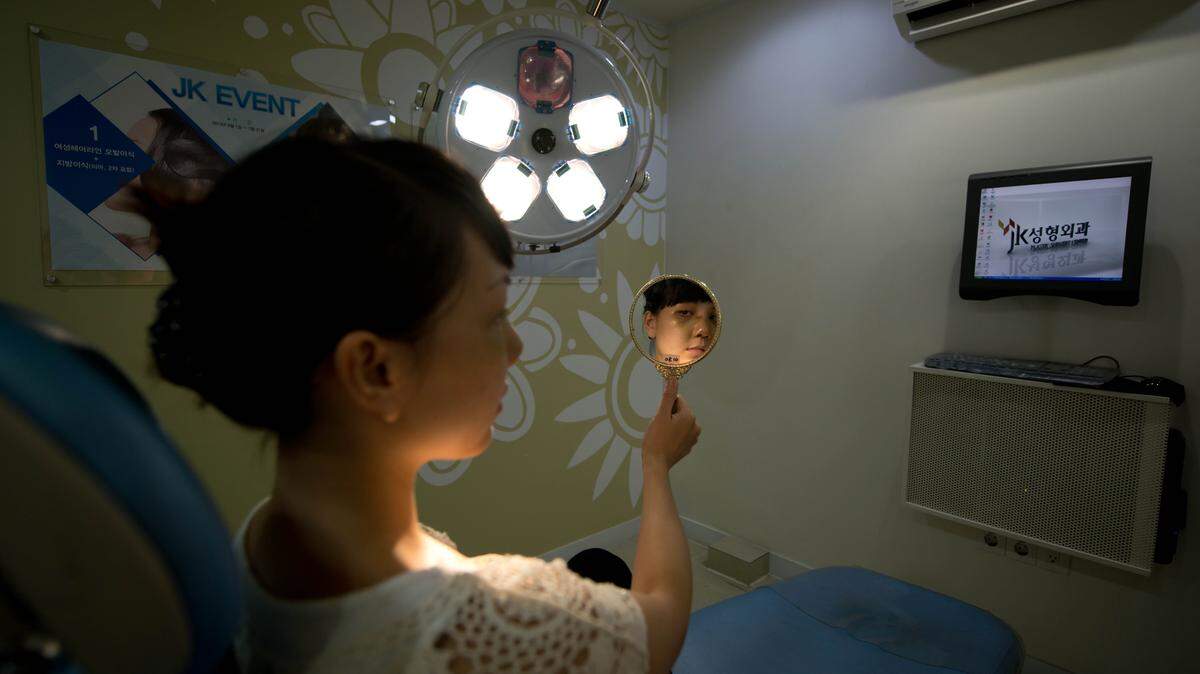
South Korea just edged out France as the top cosmetics exporter to the United States, and travelers are following the products to the source. K-Beauty travel — booking a trip specifically for facials, lasers, scalp treatments and aesthetic procedures in South Korea — has become one of the fastest-growing categories in beauty tourism, fueled by Hallyu culture, lower clinic prices and a national push to turn skincare into a soft-power export.
The numbers are striking. South Korea overtook France in 2024 to become the leading cosmetics exporter to the U.S., according to Bloomberg, and the Korean Ministry of Health reported that 1.2 million people traveled to South Korea in 2024 for aesthetic reasons.
For more information: The Rise of Beauty Tourism: 5 Best Countries for Glass Skin, Facials and Hair Transplants
What Is Driving the K-Beauty Travel Boom
The rise of K-Beauty travel grew alongside the Korean Wave, or Hallyu — the global spread of K-pop, K-dramas, film and food. Acts like BTS and BLACKPINK and shows like Squid Game turned Korean beauty standards into mainstream demand. K-beauty itself shifted with the wave, moving from playful packaging and novelty ingredients to clinical-grade skincare built around prevention, collagen stimulation and the smooth, luminous “glass skin” look.
The South Korean government is leaning in. President Lee Jae-myung named K-beauty one of the country’s “big five” soft power pillars, and aesthetic tourism is now a national growth priority supported by visa assistance, tax incentives and promotion abroad.
Price is the other lever. Treatments in Seoul are often 30–50% cheaper than comparable procedures in the U.S. or Europe, and the city’s hyper-competitive clinic market means high standards and advanced technology have become the default rather than the premium tier.
The Treatments Travelers Are Booking
Dr. Adeline Koh, founder and formulator of Korean skincare brand Sabbatical Beauty, told Byrdie that laser toning, HIFU (high-intensity focused ultrasound) and Rejuran Healer injections are among the most popular treatments, along with non-invasive lifting procedures like RF microneedling.
“These procedures focus on creating that signature ‘glass skin’ look Korea is known for,” she said.
Koh also noted that ultrasound therapies such as Ultherapy and Local Dynamic Micro-massage (LDM) remain in heavy demand because they stimulate collagen and elastin while helping define facial features.
“Technology and techniques are advancing rapidly, and Korean practitioners are often the first to innovate or refine treatments,” she said.
Head spas have become a signature K-Beauty travel experience. Treatments typically begin with a microscope-based scalp analysis, followed by exfoliating, steaming, cleansing and massage steps designed to improve scalp health and hair shine. English-speaking salons in Seoul include Eco Jardin and Juno Hair Myeongdong Street.
Where to Go In Seoul and Beyond
Personalized facials are another major draw. Medicube in Gangnam offers in-depth skin analysis paired with the brand’s devices and products — its viral Age-R Booster device has been used by Hailey Bieber and Kylie Jenner. Sulwhasoo Spa builds its treatments around heritage ingredients like ginseng, while D&A and Individuel Genève specialize in skin boosters and laser work. Cclime is known for non-invasive contouring popular with Korean celebrities, aimed at reducing puffiness and sculpting the face.
Traditional Korean spas, or jjimjilbangs, round out the trip. The communal bath houses include pools, heated rooms and the well-known “seshin” full-body scrub. Spa Land Centum City in Busan is the country’s largest, and Cimer at Paradise City near Incheon Airport is a popular modern option for travelers arriving on long-haul flights.
For a growing share of visitors, that combination — affordable clinics, advanced treatments and a wellness culture that runs from scalp to scrub — is reason enough to book the flight.
This article was created by content specialists using various tools, including AI.
This story was originally published May 14, 2026 at 12:17 PM.